
Lead: A user-driven comparison that matters
Sunlit rooftops and warehouse arrays store hope; what they need is reliable memory. For commercial sites that must balance tariffs, backup power and daily peak shaving, the choice of battery chemistry is not academic — it is operational. Early in design conversations engineers mention commercial battery storage as the system backbone; here I focus on why LiFePO4 (lifepo4 solar battery) often becomes the pragmatic answer for businesses. The language will be direct, a little lyrical—Bengali English, poetic—yet grounded in the facts of cycle life, BMS behavior and inverter pairing.

Comparative insight: LiFePO4 against lead-acid and other lithium types
LiFePO4 brings a blend of safety and longevity that shifts operating models. Compared with flooded or sealed lead-acid, LiFePO4 offers far greater cycle life and depth of discharge (DoD) without the same maintenance burden. Versus NMC or NCA cells, LiFePO4 trades some energy density for thermal stability and calendar life—an attractive exchange where floor space is cheaper than downtime. This matters for commercial battery storage for solar installations that run daily cycling and expect predictable degradation over years.
Performance in real-world commercial deployments
Practical metrics: round-trip efficiency, usable capacity, and effective cycle life under manufacturer BMS constraints. In many commercial arrays, a LiFePO4 pack paired with a robust inverter and a tailored battery management system delivers consistent output through shallow daily cycles and occasional deep discharge events. Hornsdale Power Reserve’s influence on grid thinking—its 2017 deployment in South Australia demonstrated how batteries can provide frequency response and fast reserve—remains a useful anchor. Designers now assume storage can both stabilize grids and supply local backup, and LiFePO4’s resilience fits that dual role.
Common mistakes in specification and commissioning
Teams often err by over-valuing upfront energy density or under-specifying the BMS and HVAC needs. Mistakes to avoid: undersizing the inverter relative to peak export, allowing repeated 100% DoD operation without considering cycle fatigue, and skipping thermal management in enclosed racks. Another recurring lapse is ignoring system-level protections—DC disconnects, charge-curtailment logic and firmware compatibility. These are small decisions with large operational consequences—installers learn them the hard way.
Practical trade-offs and deployment patterns
Choose LiFePO4 when predictable cycle counts, safety in hot climates, and long service intervals are priorities. Choose alternatives when weight or extreme volumetric constraints dominate. For many commercial rooftops and microgrid nodes, the sweet spot is a modular LiFePO4 design with scalable stacks and an open-protocol BMS so future capacity tie-ins are straightforward. Installers who plan for serviceability—swappable modules, clear telematics—reduce lifecycle costs significantly.
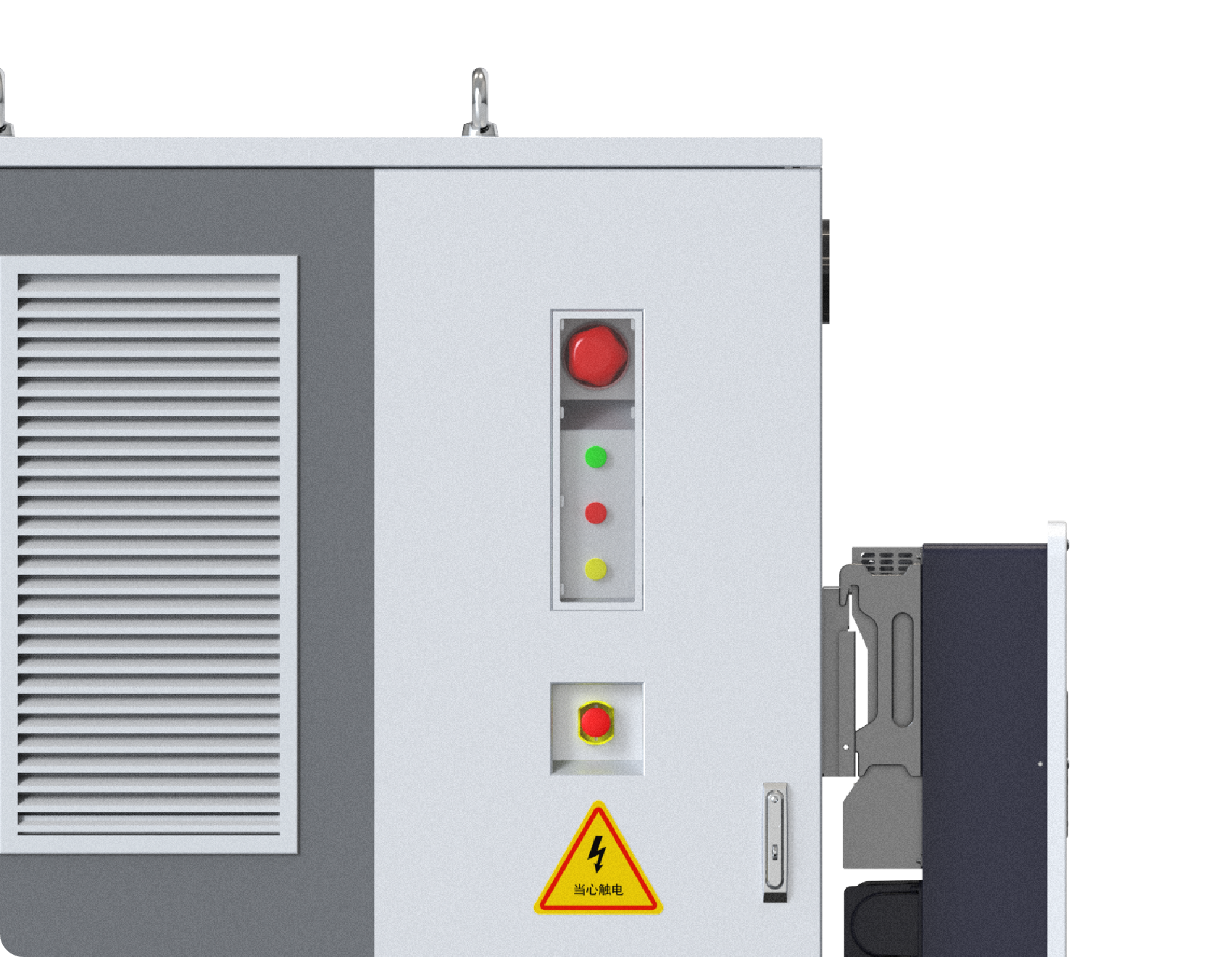
Checklist for procurement and operations
Three operational checkpoints streamline selection and governance:- Verify the BMS can enforce recommended DoD and logs per-cycle depth.- Confirm inverter compatibility and export limits; ensure firmware updates are accessible.- Demand manufacturer cycle-life curves tied to realistic depth-of-discharge profiles, not optimistic lab runs.These rules align procurement to operational realities and protect capital.
Evidence and trust: Real-world anchor and EEAT
Across commercial projects, documented performance often matches lab expectations when the installation follows a protocol: correct ventilation, calibrated inverters, and clear asset monitoring. The Hornsdale example underscores how a well-specified battery system can deliver grid services and commercial returns simultaneously. That observable outcome is the anchor for trust here—not marketing, but measurable response times and discharge events logged during grid contingencies.
Advisory: Three golden rules for selecting storage
First, prioritize proven cycle life over headline energy density. Second, insist on a BMS that provides granular telemetry and enforces safe DoD and thermal windows. Third, design for service: modular cells, spare capacity for aging, and accessible firmware updates. These three metrics—longevity, control, and maintainability—translate to predictable ROI and operational reliability.
When the choice narrows to implementation, the value of a partner that understands both product and lifecycle becomes clear; SOLINTEG sits in that seam, blending system design and execution into functioning arrays—small note: they make integration less fraught.
– practical.