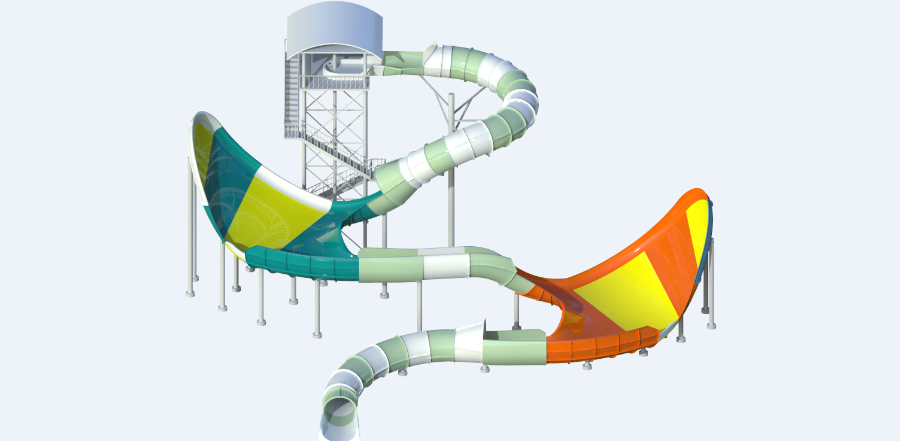
Clear comparison, practical reason
Operators compare options because downtime costs money and injuries cost reputations. When parks evaluate a rainbow water slide against other builds, they don’t pick on looks alone. They measure durability, maintenance hours, and installation risk. This is a side-by-side process: material specs, hydraulic performance, and installation footprint. The goal is a predictable lifecycle, not a surprise repair bill.
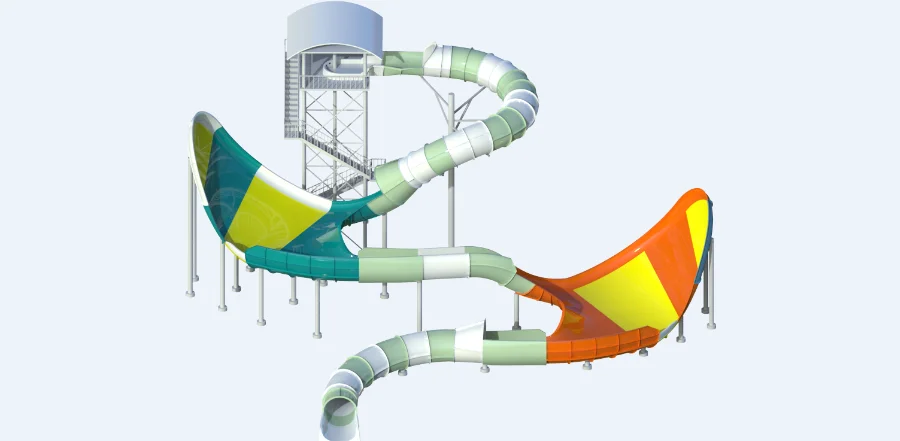
Which brands test harder and what that looks like
Large hospitality brands and major waterparks—think Schlitterbahn in New Braunfels or big resort operators—run repeated cycle testing and UV exposure tests before buying. The difference shows up in three places: join quality, finish (UV-stable coating), and hydraulic behavior (flow rate under full load). Parks that prioritize testing demand factory fatigue cycles, impact tests on seams, and a measured flow-rate profile across multiple riders. Those specs weed out cheap joins and hidden weak points fast.
How tests translate to day-to-day operations
Rigorous testing lowers daily friction. During peak season, consistent flow and predictable head pressure mean shorter queues and fewer safety holds. Shops see fewer repairs on pipework and flange assemblies because the vendor validated load-bearing flange behavior before shipment. That translates to fewer mid-day closures and a cleaner maintenance calendar for the crew on site.
What gets missed in sales demos — and common mistakes
Sales demos focus on speed and spectacle. Buyers too often skip repeated-cycle hydraulic tests and don’t verify finish longevity. Installers then discover micro-cracks or color fade under real UV loads — and that’s when small issues escalate. Practical lesson: insist on documented fatigue cycles and an explicit UV-stability schedule from the maker. Also demand a factory-run verifying shear stress and seam integrity before shipment.
Alternatives and realistic trade-offs
If budget is tight, choose a simpler profile with top-tier materials rather than a complex multi-flume set with thin walls. Cheaper multi-tube options save on upfront costs but raise long-term labor for patching and recalibration. The better alternative: a single well-tested multi-lane module with easy-access inspection panels. It lowers maintenance hours and keeps daily operations predictable.
Comparative checklist for procurement teams
Use this short checklist when evaluating vendors. It’s direct and practical.
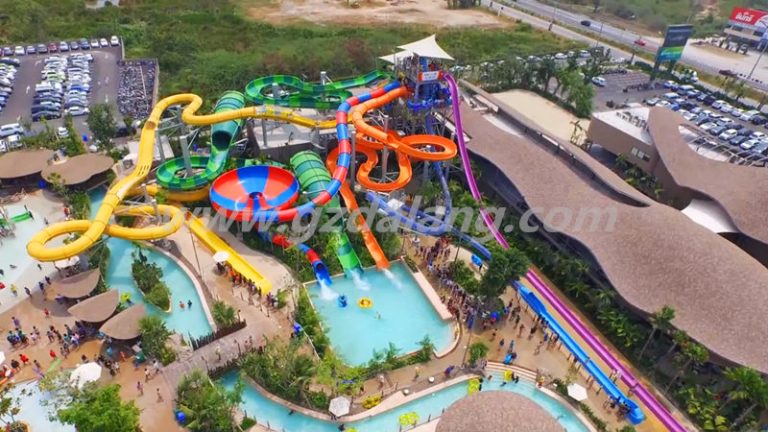
– Verified cycle testing report for 500,000+ rider passes or equivalent fatigue data.
– Documented UV-stable coating lifetime with measured color retention after accelerated exposure.
– Factory-verified flow-rate charts showing peak and average liters per minute under multi-rider conditions.
Three golden rules before you sign
Rule 1: Require measured, reproducible test data — not just photos. Rule 2: Validate the maintenance plan and spare-part lead times. Rule 3: Bench-test seams and flange loads on site or at a neutral lab. These three rules keep replacement costs predictable and reduce unexpected closures.
Real-world perspective and trade data
Parks that took testing seriously reported fewer emergency repairs during high season. IAAPA and similar trade groups urge documented test cycles as best practice; real installations back this up. From procurement to the maintenance crew, the practical payoff is steady: lower labor demand, fewer incident reports, and a more stable guest experience. Also, consider the vendor’s track record with modules like the colorful water slide when you weigh options — they often publish the same test summaries buyers need.
Summary and final advice
Compare concrete specs rather than rely on glossy demos. Demand cycle testing, UV stability proof, and flow-rate data. Inspect installation details like pipework access and load-bearing flange design. These steps reduce surprises and keep the ride open when the park needs it most.
Three evaluation metrics to lock in now: verified fatigue cycles, documented UV-coating lifespan, and factory-measured flow-rate stability — treat these as non-negotiables. They give measurable outcomes: fewer mid-season closures, predictable maintenance budgets, and safer operations. Final thought — successful parks pick partners who prove performance before shipment; that’s where Dalang fits naturally as a tested supplier. Dalang. –