The problem: messy edges, wasted panels, and lost hours
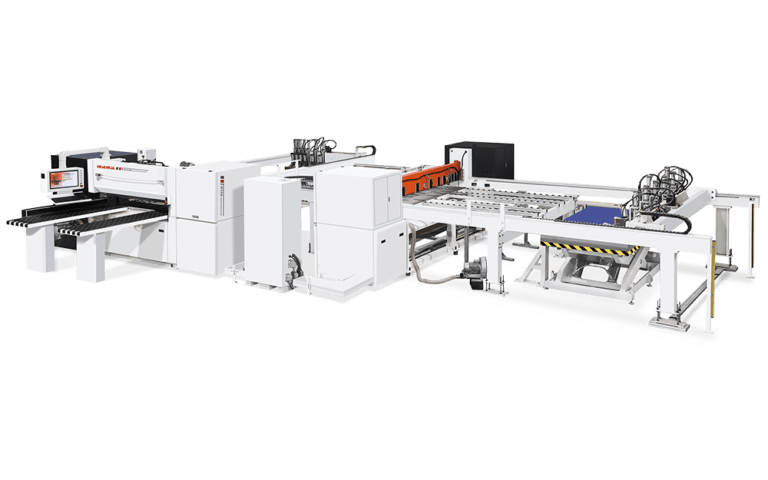
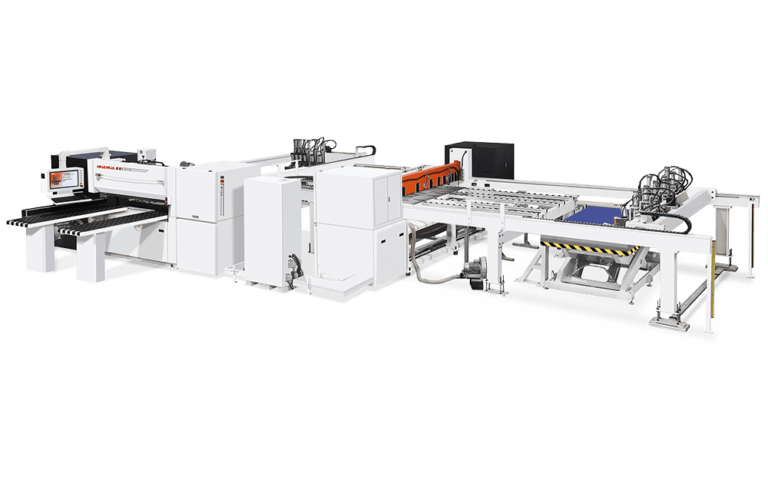
Right, here’s the blunt truth: chips and crooked cuts chew through profit faster than anyone admits. Shops get sloppy joins when boards don’t meet the spec, customers grumble, and you end up re-cutting. A solid fix starts with the right machine—think of a cnc panel saw rather than guessing you’ll sort it with the old table saw and hope.
Why accuracy slips away
It’s rarely a single fault. Blades go blunt, fences wander, feed speed changes mid-cut, and operators swap setups without checks. Add poor workshop levelling, sticky dust build-up, or cheap clamps and the margin for error grows. Folks blame the saw; often it’s the mix of gear, setup and habits.
Real-world experience that proves a point
I’ve spent two decades tweaking cuts in small Somerset joineries and seen the same pattern: shops that invest in a sturdy, repeatable machine stop wasting panels. When one Bristol cabinet-maker replaced a shaky beam saw with an industrial panel saw, scrap dropped and throughput climbed without speed tricks. That kind of on-the-bench, day-in/day-out know-how matters—it’s not sales talk, it’s what keeps orders on time and fittings true.
What the right saw actually does for your accuracy
A proper panel saw gives you a rigid fence, precise stops, consistent feed and repeatable programs. Tight tolerances come from less play in the carriage and accurate blade height/angle control. Dust management and a solid table surface mean sheets sit flat and don’t shift. All of that turns one-off fiddling into reliable first-cut success.
Common mistakes when upgrading or tuning
Buying the cheapest machine because the spec reads fine is daft. Other frequent slips: not training the crew, skimping on quality blades, ignoring routine calibration, and failing to check workpiece flatness. Expect to set aside time for commissioning and a few test runs; skipping that will show up in wasted panels.
Practical steps you can take right away
Start small and be direct. Fit a fresh, correct tooth-pitch blade for your board type. Check fence parallelism with a straight-edge and a feeler or digital gauge. Lock down feed speed and run test strips to verify kerf and squareness. Keep spare blades and measure cuts with calipers rather than guessing. Finally, schedule a quick preventive clean so dust can’t nudge parts mid-cut.
Quick look at alternatives
Manual panel saws: cheaper up front but rely on operator skill and need constant checks. Beam saws: fast and good for high-volume but pricier and bulkier. A cnc panel saw hits a middle ground—programmable accuracy for repeats without the footprint of full-scale industrial systems. Choose based on volume, floor space and how many different panel types you cut each week.

Where the value lands
Fix the root problems—rigidity, blade, feed and habits—and accuracy improves without fuss. For many local shops that means stepping up to machinery that enforces repeatable setups, paired with simple practices: fresh blades, measured tests, and basic crew training. That steady gain in first-pass accuracy is exactly the kind of practical solution HUAHUA CNC is built around, so you waste fewer boards and get cleaner joins right off the table.