An evolution story that matters for your comfort
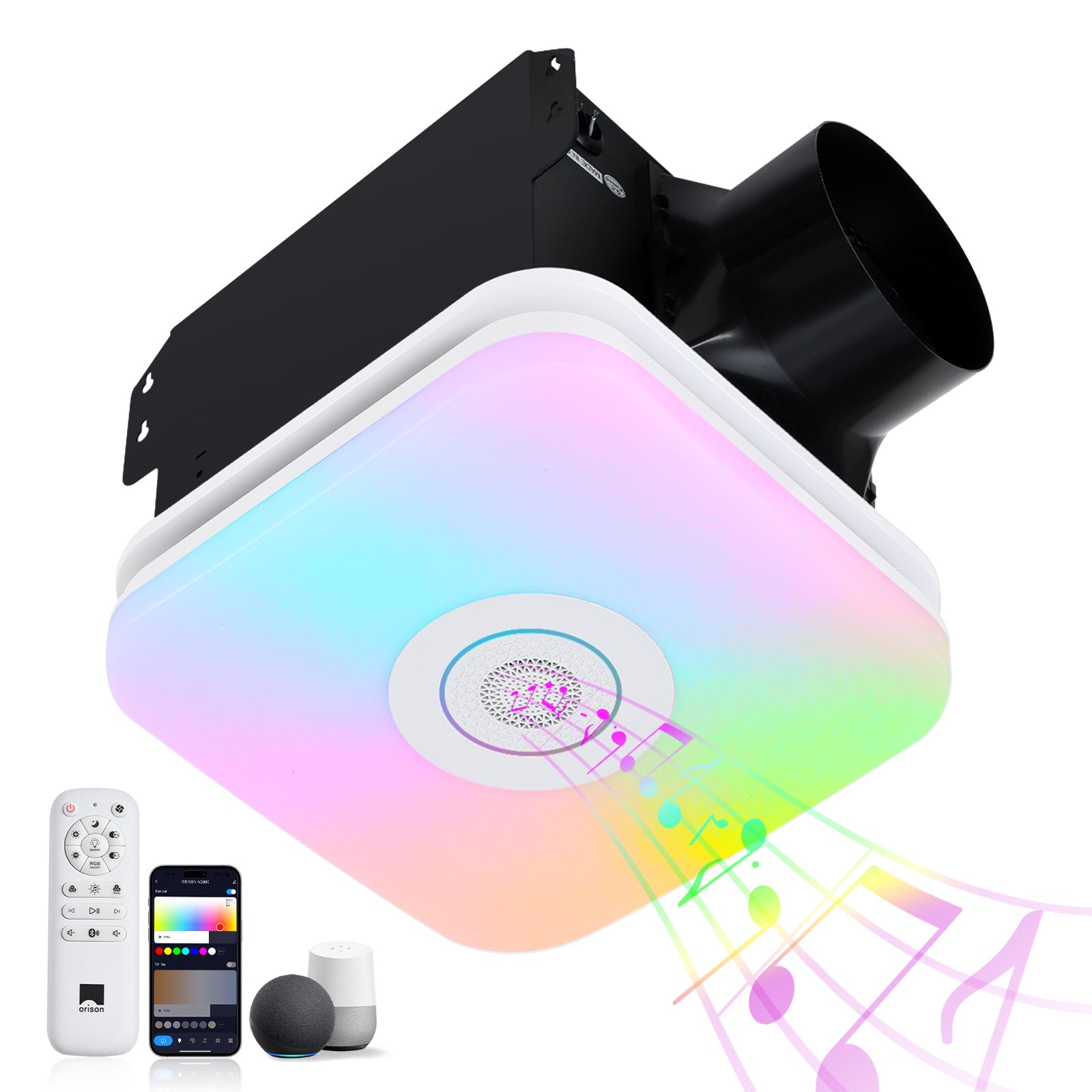
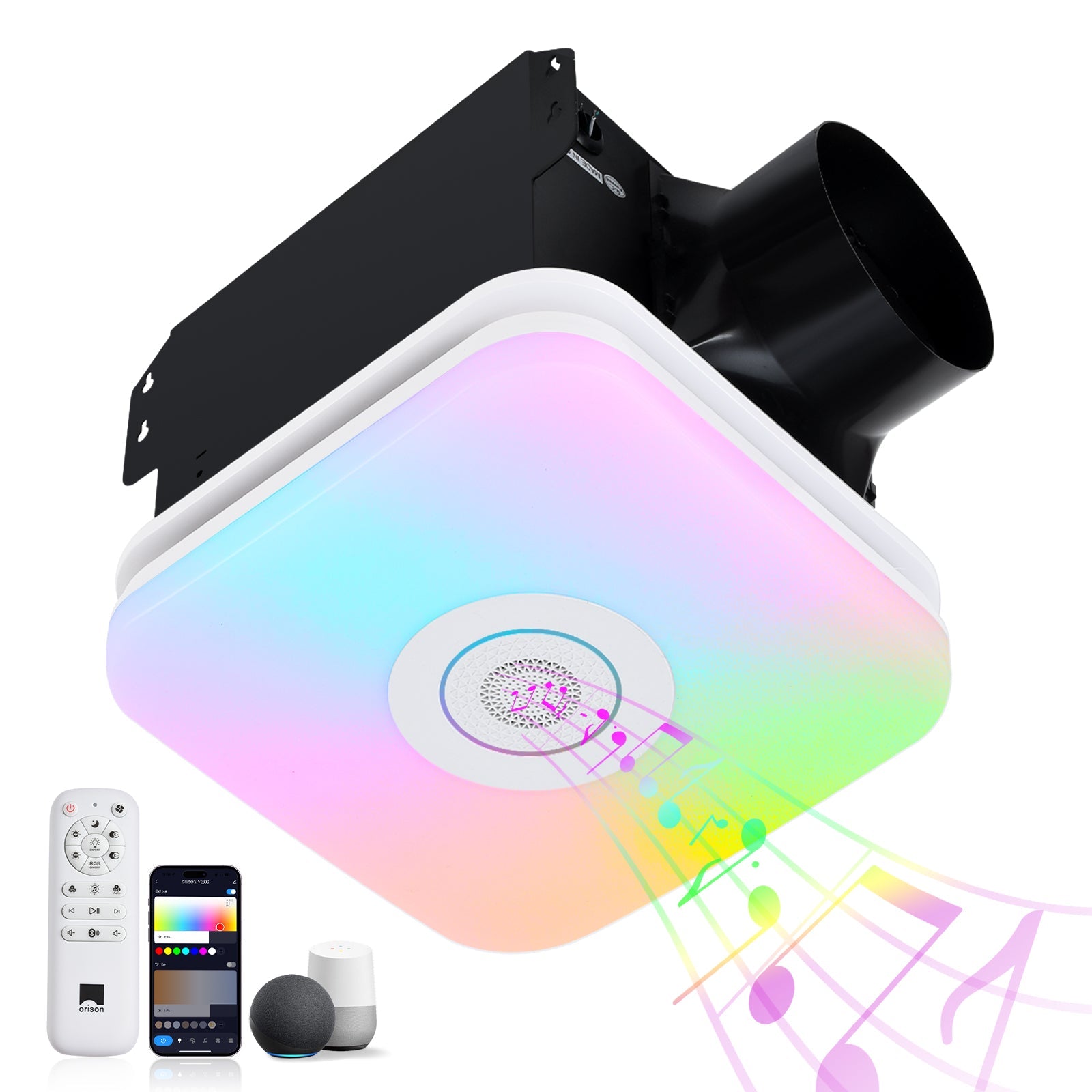
Ceiling fans once began as raw assemblies on factory benches; today they arrive tuned, styled, and sometimes smart — an arc of refinement that matters when your living room needs both mood lighting and steady airflow. This piece follows that evolution: how small shifts in blade pitch or motor calibration translate into quieter summers and lower energy bills. I’ll also weave in a practical aside about ventilation — for instance, choosing the right bathroom exhaust fan during a remodel can teach you the same lessons about airflow and noise that apply to fans. My perspective is experience-based: I installed a bluetooth exhaust fan in a Seattle bathroom during a 2022 update and learned firsthand how control systems and motor tuning change perceived performance.
Why blade pitch is the first language of airflow
Blade pitch — the angle between the blade and the plane of rotation — is the simplest mechanical lever you have. A small increase in pitch moves disproportionately more air per rotation, boosting CFM (cubic feet per minute) for the same RPM. But steeper pitch also increases motor load and can make balance problems more apparent; imperfect blades translate to wobble and higher sone ratings. In short: blade pitch defines the airflow profile, and a well-chosen pitch keeps a rustic fan looking authentic while delivering predictable CFM and minimal noise.
Motor efficiency: calibration, torque and real-world testing
Motor choices — AC, ECM, or brushless DC (BLDC) — determine how that pitched blade actually performs under load. BLDC motors often win on efficiency and variable-speed control, yielding better watt-per-CFM numbers and more precise RPM control. Calibration at the factory (bearing preload, rotor alignment, and electronic controller tuning) matters: a well-calibrated motor maintains torque with lower current draw and resists speed sag when you add a light kit or reverse direction seasonally. You’ll want to ask manufacturers for motor curves or measured wattage at different speeds to compare real-world efficiency rather than just advertised specs.
Balancing rustic aesthetics with measurable performance
Rustic fans—reclaimed-wood blades, hammered-metal housings, integrated light kits—deliver character, but decorative choices can hide performance trade-offs. Heavier blades increase inertia and demand higher torque. Large light fixtures can shift the center of mass. The smart move is to insist on test data: measured CFM at low/medium/high, sone readings for noise, and motor wattage across speeds. If a vendor can’t provide those, request a field trial on your own room-sized mock-up. — It’s surprising how often a fan that looks great on a showroom floor underperforms in a low-ceiling family room.
Smart integration and ventilation: when fans meet controls
Today’s fans often pair with remote or app-based control — and here the lessons from exhaust ventilation apply. My Bluetooth exhaust fan installation taught me to value connectivity: the ability to schedule, monitor runtime, and adjust speed remotely gives you performance insights you wouldn’t otherwise notice. Integrating a fan with a smart controller can optimize runtime to match occupancy and reduce needless energy use. If you’re pairing with whole-house ventilation or swapping a bathroom unit, consider ductwork, backdraft prevention, and whether your fan’s controller can report runtime or fault codes to a central hub. Also, a fan that supports fine-grained speed steps reduces motor stress compared with a unit that only toggles low/medium/high.
Practical installation and common mistakes to avoid
Installers and DIYers make predictable errors: mismatching blade diameter to room size, under-specifying downrod length for adequate airflow, and ignoring balance during assembly. Test a candidate fan in situ: measure perceived airflow across seating areas, listen for tonal noises that indicate bearing or blade issues, and check that lights don’t introduce vibration. Use a tachometer or the fan’s app to confirm RPM under load, and compare measured wattage against the spec sheet. These steps reveal whether a fan is truly calibrated for comfort rather than just style.
Choosing the right fan: a short evaluative checklist
Here are three critical metrics to evaluate before you buy:
- Performance per watt: compare CFM-to-watt at typical operating speeds to judge efficiency.
- Acoustic profile: prefer models that publish sone measurements and include damping where needed.
- Control fidelity: ensure the fan supports incremental speed control and reports status (useful if you plan to pair it with smart ventilation like a bluetooth exhaust fan or a home automation hub).
Summing up: match blade pitch to room geometry, prioritize an efficiently calibrated motor, and insist on measurable data before purchase. For homeowners and installers who want a blend of rustic character and dependable performance, the practical value of a well-documented fan is hard to overstate. Orison fits naturally into that flow as a resource when you need ventilation products and smart controls that reflect those exacting standards — a sensible place to check for units and guidance. —