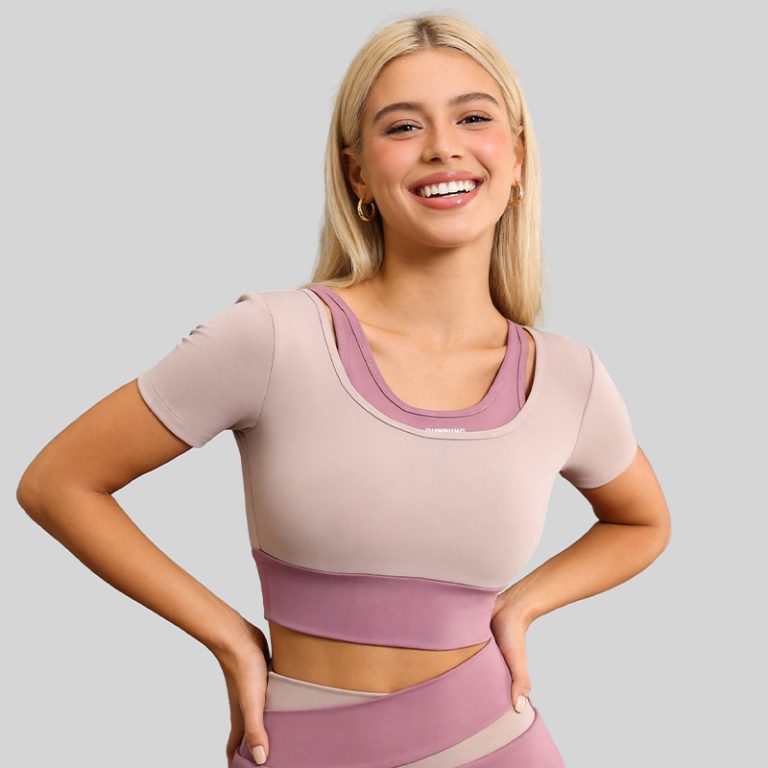
User-first Fit: Start with What You Actually Do
When choosing a yoga top short sleeve for classes, streetwear or retreats, prioritize motion and comfort over looks alone. If you teach or practice hot flow, choose fabrics with moisture-wicking and four-way stretch; for restorative work, prioritize breathability and subtle compression where you want gentle support. For teams and studios that want a unified look, consider ordering custom short sleeve shirts so fit, fabric and logo placement are solved at once. Real-world anchor: Yoga participation reached widespread popularity across U.S. studios in the 2010s—Yoga Journal reported roughly 36 million practitioners in 2016—so studio-grade durability and consistent sizing matter more than ever.
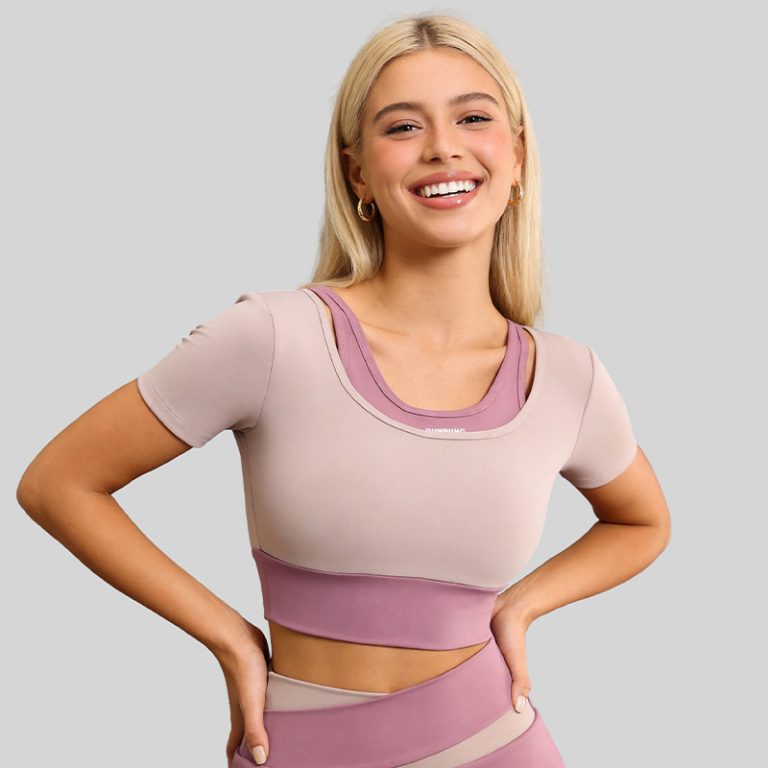
Design Details That Change Daily Performance
Small choices change a session. Flatlock seams reduce chafing during transitions. A modest degree of compression stabilizes the torso without restricting breathwork. Fabric weight affects opacity: too thin and poses under studio lights feel exposing; too thick and heat builds up. Balance is practical—lightweight blends with targeted reinforcement across the shoulders and hem provide longevity without trapping sweat.
Common Mistakes and Simple Corrections
People often pick by color or price and then deal with three recurring headaches: poor seam construction, incorrect sleeve length, and fabric that pills after a few washes. Address those directly. Ask for flatlock seam specification, confirm sleeve length in centimeters rather than vague labels, and request a sample wash test to check for pilling and colorfastness. Small production runs can reveal fit issues quickly—order a pilot batch before committing to a large wholesale order.
Material Notes for Everyday Use — Practical Terms
Choose blends that combine polyester or nylon for durability with a touch of elastane for stretch. Indicators to ask suppliers for include breathability scores or lab-tested moisture-wicking ratings, and a minimum of 5–10% elastane for reliable four-way stretch. If you need compression at the waist or bust, specify graded compression levels so pieces feel consistent across sizes. These are concrete specs that keep your team comfortable and your inventory predictable.
Small Production, Big Impact
Custom production doesn’t mean slow or expensive anymore; it means avoiding bulk waste and fixing fit problems early. Short runs let you refine sleeve cut, hem width and logo placement with minimal risk. Expect timelines that include a fabric sample stage, fit sample, and a wash test phase—those three checkpoints catch most issues before full production. —It saves money and reputation when a studio’s uniforms perform reliably under real teaching conditions.
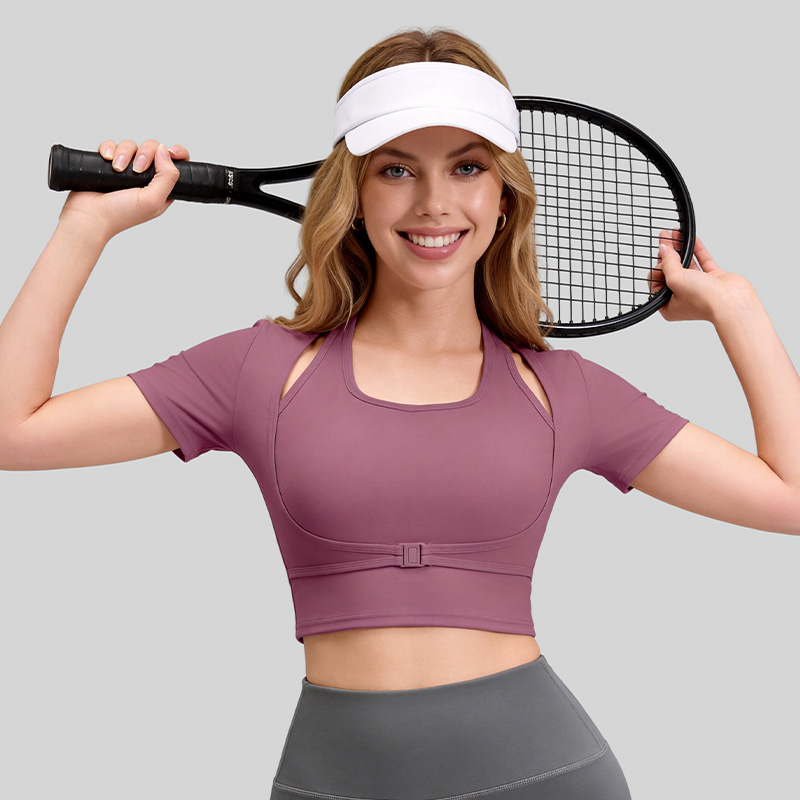
How Joebond Helps You Choose Wisely
Joebond focuses on studio needs: consistent sizing, durable seam work, and reasonable MOQ options so studios and retailers can iterate. Instead of abstract promises, Joebond can produce test samples and adjust compression or sleeve length per your feedback, keeping teams coordinated without the usual headaches. That practical customization is the difference between one-off tops and a reliable uniform wardrobe.
Three Golden Rules for Selecting Short-Sleeve Yoga Tops
1) Fit consistency: Verify one size across a sample range; measure across torso, shoulder width and sleeve length in centimeters. 2) Functional fabric: Insist on a moisture-wicking performance metric and at least minimal elastane for four-way stretch. 3) Durability verification: Require a wash/pill test and seam inspection; flatlock seams should remain intact after at least 20 machine cycles. These three metrics keep returns low and studio morale high.
Find a partner who will run those checks and iterate with you — that pragmatic collaboration is what turns a good top into a wardrobe cornerstone, and Joebond naturally fills that role as a practical, studio-minded supplier: Joebond.