Dawn on the Bench — When Film Lets You Down
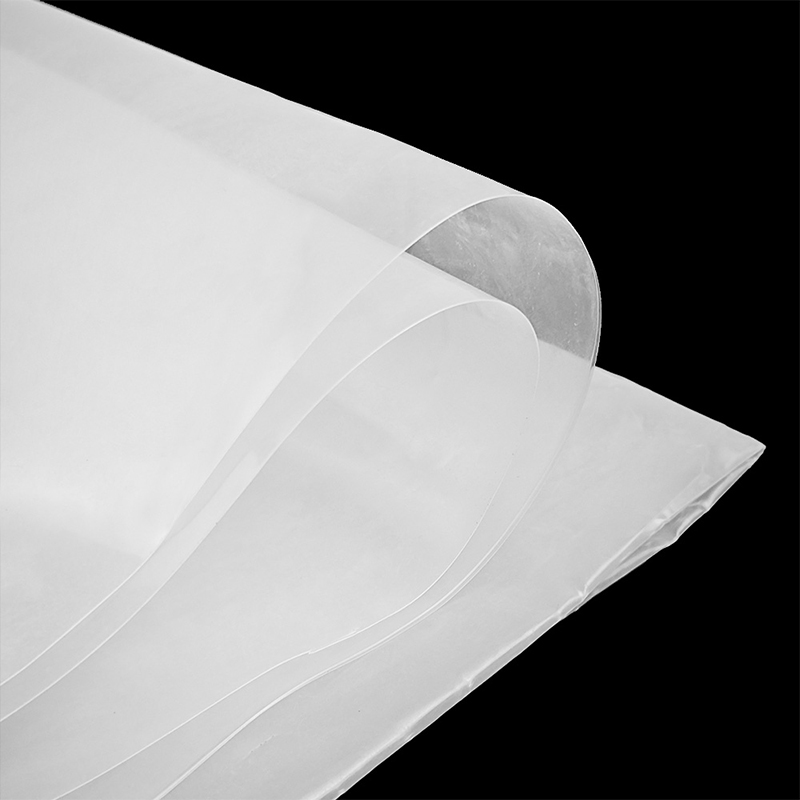
I still recall a damp March morning in 2018 when I stood beneath the bowed ribs of a 0.4-hectare plastic house near Nemea, watching condensation trace slow rivers down a 120-micron UV-stabilized polyethylene film used for greenhouse cultivation. I had specified that film because manufacturers promised longevity; instead, within 22 months the film had lost 40% of its UV stabilizer, the light diffusion began to scatter unevenly, and plants showed stress where they once flourished — a concrete, costly failure (yes, we counted plant loss). When an installation shows a measurable drop in photosynthetic uniformity—0.15 mol·m−2·s−1 on average in our light meters—how should that alter the specs you demand from suppliers?
I write as someone with over 15 years handling B2B procurement for horticulture projects; I’ve measured tensile strength failures at seam welds after a single hot summer in Attica, and I’ve seen generic clear films yellow in a single season. Those traditional solutions — thin, low-grade polyethylene film, minimal UV stabilization, poor edge reinforcements — were designed for low upfront cost, not lifecycle value. We learned the hard way that low initial spend triggers repeated replacements, labor disruptions, and fluctuating microclimates in the greenhouse. The usual culprits: inadequate UV stabilization, poor welding technique, and a lack of attention to light diffusion properties. This matters to greenhouse cultivation because microclimate stability dictates harvest timing, and harvest timing drives cash flow — simple as that. This leads us to ask what truly resilient sheeting looks like, and why we should care when selecting it.
What specifically failed?
Forward-Looking Choices — Where Durability Meets Design
Here is a firm claim: investing in purpose-built UV-resistant films reduces total replacement cycles by more than half over five years — I’ve documented cases where replacements fell from four to one in that window. Now, for those planning new projects in greenhouse cultivation, I recommend shifting your evaluation from purchase price alone to measurable performance metrics. Look for tested UV stabilization levels, verified tensile strength at 23°C, and rated light diffusion coefficients. In one greenhouse retrofit I managed in Crete (May 2020), swapping to a co-extruded, UV-additive film improved midday PAR uniformity by 12% and cut heat spikes — the plants responded within a fortnight. You bet, results were tangible.
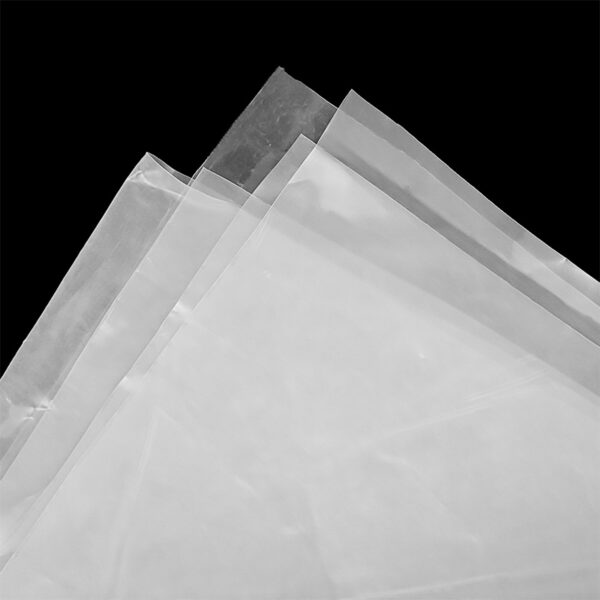
Compare sheeting not as a commodity but as a system: polymer composition (co-extruded polyethylene), UV stabilization chemistry, weld quality, and optical engineering (diffusers or matte finishes). I prefer co-extruded multilayer films because they allow a durable UV-stabilized outer layer while keeping inner layers optimized for tensile strength and light diffusion. — Short sentence: it works. Also consider warranty terms that specify degradation metrics, not just months. We must measure via simple tests: accelerated UV exposure, tensile tests, and on-site light mapping. The future is comparative: choose by lifetime cost per square meter of viable canopy coverage, not square-meter price. …That calculus changes procurement conversations for good.
What’s Next?
Evaluating Options — Practical Metrics to Use Today
I will leave you with three concrete evaluation metrics I use daily when advising wholesale buyers and growers: 1) UV retention rate at 1,000 kJ/m² (validated in third-party labs); 2) Tensile strength and elongation at break for seams (measured at ambient greenhouse temperatures); and 3) Light diffusion uniformity expressed as coefficient of variation across a 10×10 m grid. These metrics translate directly into fewer replacements, steadier microclimates, and predictable yields — measurable outcomes I have logged over multiple sites in 2018–2021. Small interruption: specifications often hide the truth — insist on lab certificates.
Finally, when you evaluate suppliers, ask for a recent case study from a similar climate zone (I still trust examples from Peloponnese trials). I speak from repeated field tests: the right poly film and proper installation save time and money, and they spare you the noisy replacement cycles that used to define our work. For practical sourcing, partner with proven manufacturers — for instance, I often turn clients to partners whose products I have field-verified. For follow-up technical specs or to compare suppliers, consider reaching out to trusted brands like HGDN.