Introduction — scenario, data, question
Have you ever stood on a production floor and felt the clock was working against you? I have, and the numbers made it worse: downtime eats into output and margins, sometimes by double-digit percentages over a quarter. As a wet wipes machine manufacturer I track those metrics closely—cycle time, scrap rate, and OEE—and they tell a clear story about lost capacity.
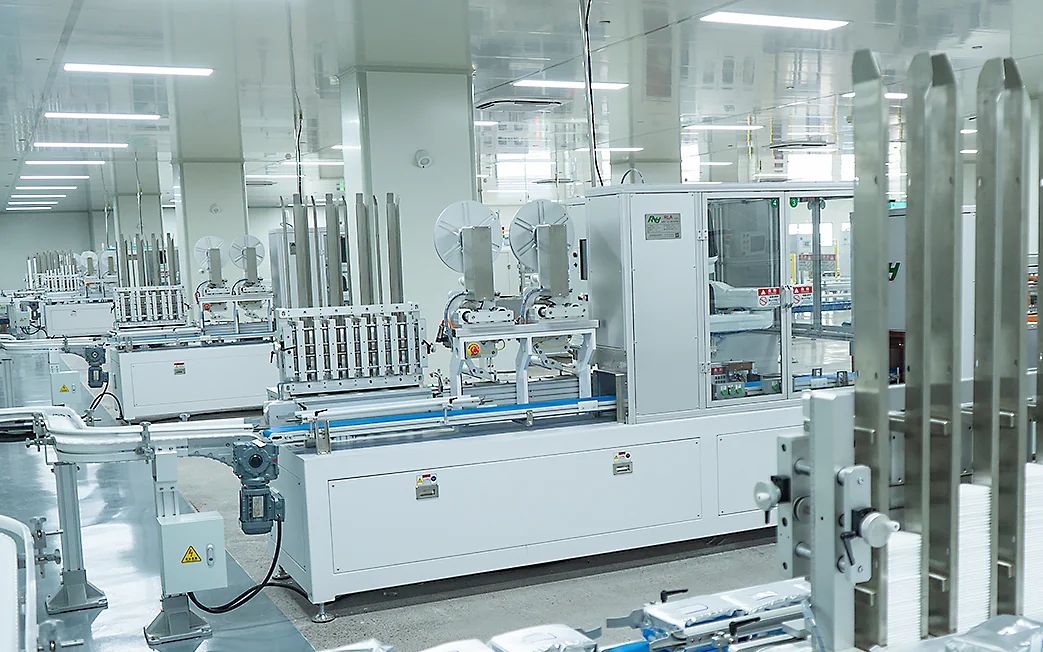
Consider this: a single minute of unscheduled halt on a high-speed line can cut thousands of wipes from daily output (and yes, that adds up fast). My team and I measure throughput, servo motor response, and PLC event logs to find patterns. So I ask: where do you focus first to turn those small losses into steady gains? — let’s move from numbers to actions.
Deeper Layer: Why Traditional Lines Fail the Test
wet wipes production machine vendors often sell machines by top speed. But speed without robustness brings real pain. I’ve seen lines choke on simple problems: a worn roll unwinder misfeeds, splices introduce jams, and poor tension control forces frequent stops. These flaws are not exotic. They are routine—and they compound. When the line stops, quality drops and operators scramble.
What exactly goes wrong?
Technically speaking, the root causes cluster around weak feedback loops and brittle subsystems. The PLC may log an alarm, but the control logic doesn’t isolate the true fault (sensor drift, clogged nozzle, slipping conveyor). Edge computing nodes could process real-time data, yet many installs still run on batch diagnostics. Look, it’s simpler than you think: fix the sensing, and you fix half the surprises. I’m blunt here because I’ve watched teams patch symptoms instead of addressing tension controllers or power converters—and the same failures repeat.
Forward-Looking Comparison: Principles for Smarter Lines
I prefer comparing practical principles rather than chasing feature lists. For future-ready wet wipes production, prioritize predictable uptime over headline RPM. That means: closed-loop tension control, modular roll splicing, and adaptive recipe control that links PLC instructions with real-time analytics. A modern wet wipes production machine should behave like a networked system—sensors talk, controllers adapt, and operators see clear metrics.
What’s Next — measurable moves
Here are three evaluation metrics I use when advising plants: mean time between failure (MTBF), average setup time, and percent-recovered yield after a fault. These numbers tell more than spec sheets. When you compare machines, ask for logged examples, not promises. I recommend trials on a partial line; run a high-volume SKU for a week and compare real throughput. — funny how that works, right?
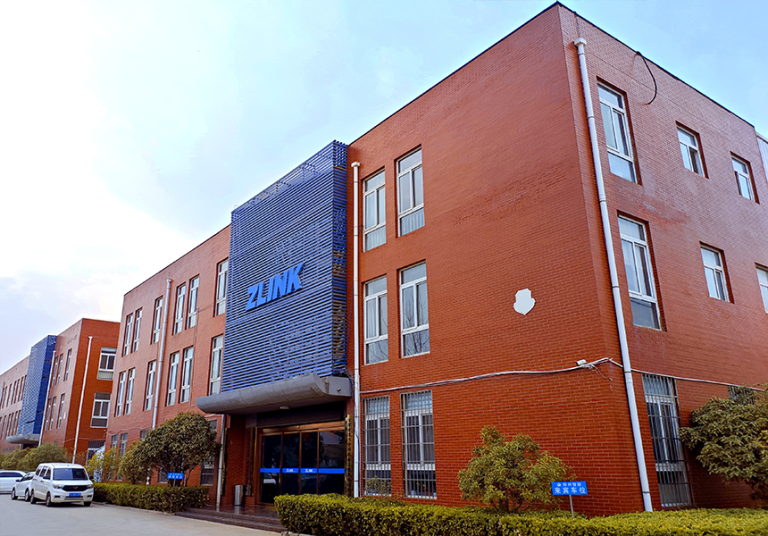
To summarize: avoid the trap of buying for speed alone. Instead, weigh robustness, diagnostics, and modularity. I still believe small design choices—better sensors, smarter splicing units, clearer HMI—deliver the largest gains. If you want a partner who thinks in cycles and cause-effect, check the options from ZLINK.