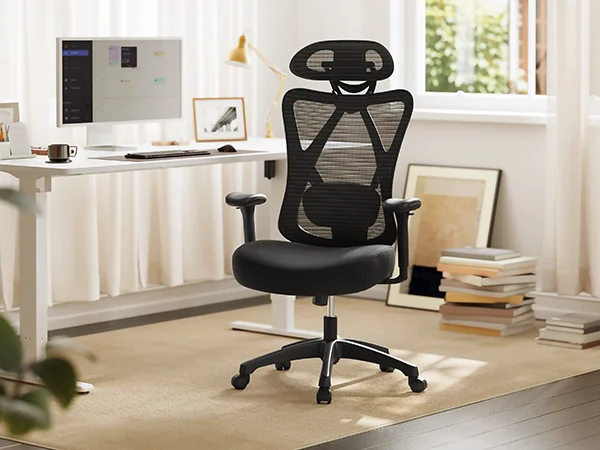
Introduction: From a Long Meeting to a Long-Term Fix
Picture this: late afternoon, the budget call runs over, and backs start shifting like waves. An office chair manufacturer can claim comfort all day, but your team still fidgets and rubs shoulders by hour two. I’ve seen buyers scroll a catalog, find a wholesale ergonomic office chair, and hope it’s the magic fix (mi know, happens every quarter). Yet numbers talk—over half of desk workers report weekly discomfort, and posture fatigue drops focus by as much as 15%. So, is the chair the problem—or the way we pick and supply it?

Here’s the real scene. People order fast, mix models, and hope universal fit will do. Then the hidden tax arrives: returns, floor squeaks from hard casters, and armrests that wobble by month three. Data tells us the small things add up. But the question still stands: can smarter manufacturing and clearer specs change the story for good? Let’s move from feelings to facts, and then to a plan.
The Hidden Cost of “Good Enough” Seats
What’s the real bottleneck?
We talk about comfort, but most failures start upstream. Traditional fixes chase symptoms—add a cushion, swap a mesh, tighten a bolt—and ignore build geometry. Look, it’s simpler than you think. If the tilt mechanism is mismatched to user weight, the spine fights every recline. If the gas lift isn’t at least Class 3, height drift creeps in after a few thousand cycles. Many “budget” lines skip proper BIFMA testing, or use a light load rating that collapses in real-world use. And when QC sampling is thin, one bad batch of cold-cure foam can sag fast—funny how quiet that shows up on spec sheets, right?
There’s also the supply-side trap. Buyers rely on generic SKUs, expecting one-size-fits-all to work for five body types. It won’t. Synchro-tilt without correct ratio feels floaty for lighter staff and stiff for heavier ones. Mesh tensile strength varies by weave density; get it wrong and you either get hammock sink or drum-tight hot spots. Even caster durometer matters; swap PU 90A for a hard nylon and you add floor wear plus noise, which breeds complaints. The fix starts with honest BOM transparency, torque specs for arm brackets, and a clear ergonomic range: seat height, lumbar curve, and recline tension indexed by user weight. When those baselines lock in, returns drop, and so do the sneaky costs that kill margins.
Comparative Outlook: Smarter Builds, Smarter Supply
What’s Next
Here’s the shift: new production stacks make the difference measurable. Think modular frames with shared pivots, so a factory can slot different foam densities and arm kits on the same backbone—less retooling, tighter tolerances. Add vision-guided assembly checks for screw depth and bracket alignment, and you cut wobble at the source. Pair that with torque auditing and cycle tests mapped to BIFMA thresholds, and you’ve got predictable durability. Then compare that to the old batch-based process that hides variance. The result? Fewer field issues, faster swaps, and cleaner data loops back to design—funny how that lines up with happier teams, right?
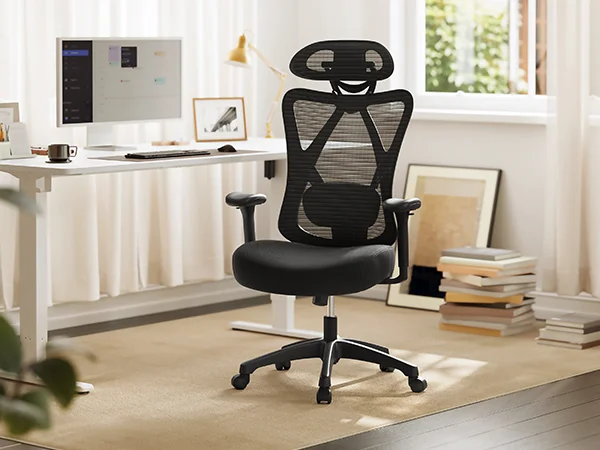
On the supply side, the change is just as real. A responsive office chair supply model uses shorter MOQ brackets, labeled spare parts, and SKU families that share components. That means one pallet can service multiple models, and lead time slides down without chaos. You get clearer fit windows too: gas lift class, seat pan depth, and tension dial ranges printed simple. Semi-formal, yes—yet easy to roll out. Compare two vendors by their testing logs, not their price sheet; pick the one that shows cycle counts on arms, base drop tests, and mesh abrasion ratings. The payoff is fewer emails, fewer aches, and a quieter help desk.
So, what should you measure before you commit? First, durability fidelity: look for BIFMA pass data, load rating by component, and cycle counts for tilt and casters. Second, ergonomic range: seat height spread, lumbar support adjustability, and recline ratio tuned to body weight bands. Third, serviceability: shared parts catalogs, torque specs, and a 48-hour spare pipeline. If those three line up, you’ll feel the change in weeks, not quarters. Keep it practical, keep it human, and let performance guide the spend. For buyers and ops folks alike, that’s the sweet spot—no hype, just better days in the chair. SONGMICS HOME B2B