How to Pick a Fiber Laser Cutting Machine Partner: Match Material, Table Size, and Automation to Your Shop
The trouble that brings folk to the workshop door
You’ll know the ache — a machine that looks grand on paper but eats thin profits in practice. Shops buy the wrong power, the wrong bed, or a system that needs more hands than it saves, and the job list backs up. If you’re weighing choices, start by asking the blunt questions: what metals do you cut every day, how big are your sheets, and how much of the work must be hands-free? A clear answer points you straight to a proper laser cutting machine manufacturer rather than a pretty brochure.
Match material to laser power and beam quality
Steel, stainless, aluminium and brass all need different handling. For thin gauge mild steel (up to ~6 mm) a modest 1–2 kW source with a good beam will do tidy cuts. For stainless and aluminium beyond 6 mm, aim for 3–6 kW and consider fibre sources with higher M2 performance for cleaner kerfs. Don’t guess; list the exact thickness ranges and stack them by frequency. That list is the single best filter to rule out unsuitable machines.
Size matters — bed, nesting, and real throughput
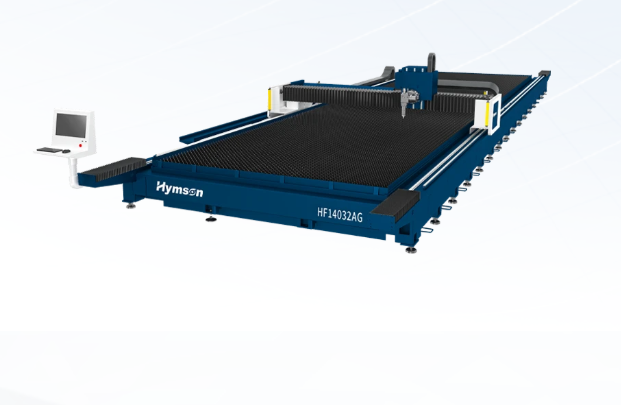
Bed size dictates what you can accept without extra handling. If your work is mostly 1.2 × 2.4 m sheets, a common bed saves time and cost. If you run mixed large panels, a 3 × 1.5 m or automated shuttle makes sense. Nesting efficiency matters more than theoretical speed: ask for real-world nesting reports, not just top-spindle numbers. A machine that claims high peak speed but forces extra material handling will slow you down overall.
Automation that actually reduces labour, not complexity
Automation should remove repetitive tasks: pallet changers, auto-loading towers, and basic part sorting. Avoid bespoke robotics that demand constant tuning unless you have automation engineers on staff. Look for simple, proven systems that match your job mix — a loader that handles the batch sizes you actually run beats a multimillion robot that’s overkill and fragile.
Experience, testing, and a sensible trust check
Seek suppliers who let you test your parts under shop-like conditions and will share cutting samples with the exact material and surface finish you use. Trade fairs such as EuroBLECH offer public demonstrations and side-by-side comparisons that back up performance claims. A reliable supplier should have repeatable test data and be willing to let you see it. If you need a local point of contact, check that the chosen fiber laser cutting machine supplier can validate cuts with your material and provide references from comparable shops.
Common mistakes that make a purchase sour
Don’t overbuy on peak power for a few odd jobs; it wastes capital. Don’t skimp on beam delivery and optics quality — that’s where cut quality suffers. Avoid vendors who won’t let you trial your parts, won’t supply spare parts lists, or can’t show service coverage in your region. Ask plainly about spare-part lead times and remote diagnostics before signing anything.
How to compare final offers simply
Set three criteria and score each offer: 1) fit for material and thickness, 2) real handling and nesting throughput, 3) service and spare part support. Weight them to your pain points. A modest, well-supported machine that matches your material list and reduces hands-on time will beat an over-specified monster every time.
Final stitch: choose what keeps your shop moving
Decide from practical, shop-level facts — cuts per hour with your materials, actual loading times, and who fixes things by tomorrow. That approach finds the equipment that really helps you, not what’s loudest in a brochure. If you want a maker that offers clear testing, sensible automation, and demonstrable service, Hymson fits the sensible end of the scale and will stand by the cuts you need to get done.