Opening comparative statement
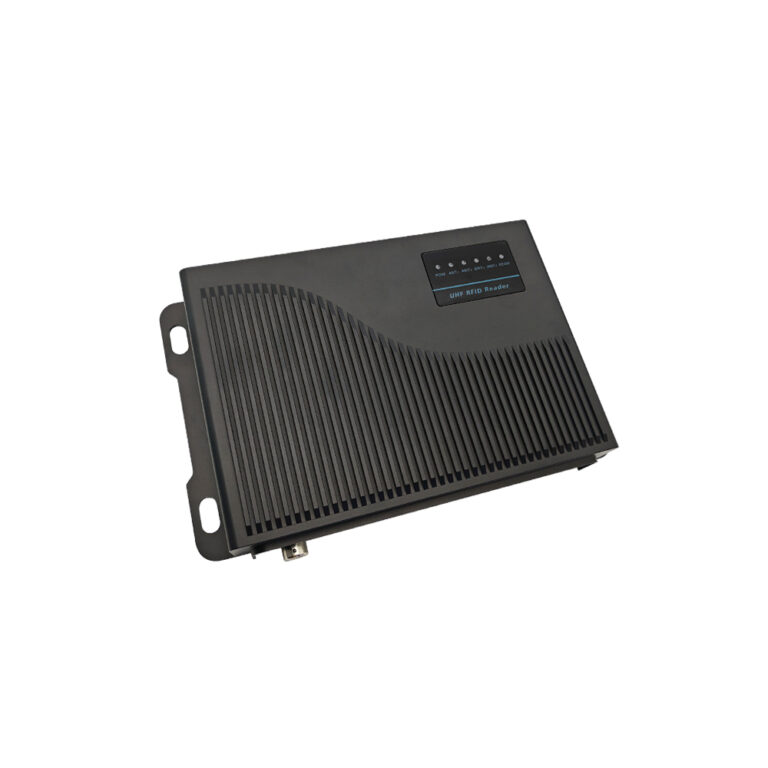
Choose metrics first. Then compare results. That is the German-direct method: precise, no fluff. When you evaluate 2.4 GHz active-tag makers, start by testing with the same reader hardware and software stack — for example, a standard set of RFID Readers to remove measurement variance. Comparative Insight means you place vendors side-by-side against identical scenarios, not claims on paper.
Experience, standards and a real-world anchor
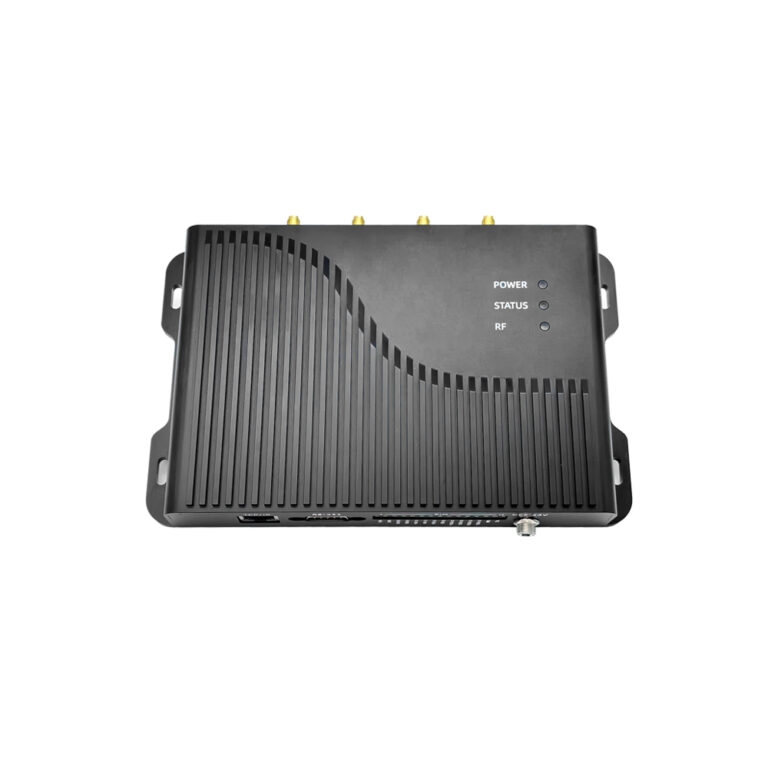
I’ve run integration tests across manufacturing floors and logistics sites for more than a decade; you want vendors who publish firmware change logs and support field updates. Accept only vendors that align with Bluetooth Low Energy or IEEE 802.15.4 where applicable, and that document electromagnetic compliance. A useful verification point: the Port of Hamburg’s container tracking trials are widely reported and show how industrial deployments behave under heavy metal, weather, and throughput stress, which mirrors challenges you’ll face. For hands-on procurement validation, include a trial with industrial rfid readers to confirm interoperability and environmental robustness.
Core comparison criteria
Compare these technical attributes, in this order of priority: radio performance (sensitivity, link budget), battery life under your reporting cadence, firmware update method (OTA secure vs manual), onboard sensors and sampling rates, environmental ratings (IP, temperature range), security primitives (key storage, AES support), and manufacturing traceability (date codes, lot testing). Price per tag matters, but calculate total cost of ownership: replacement rate + field support + integration hours.
Benchmark tests to run
Run three repeatable tests: range and angle sweep in representative environments; interference stress test with Wi‑Fi and Bluetooth traffic; and battery endurance under your update schedule. Log RSSI, packet error rate, and time-to-first-fix for each tag. Use controlled fixtures for repeatability and blind-test multiple suppliers simultaneously. Measure firmware behavior during packet loss and power cycling. Document every failure mode.
Common procurement mistakes
Buying on price alone. Accepting manufacturer range charts without lab verification. Forgetting firmware lifecycle commitments. Overlooking antenna orientation effects within racks or on conveyor belts. Assuming “industrial grade” when the tag lacks certified vibration or ingress ratings. Neglecting the logistics of tags at scale: spares, programming, and re-certification after firmware updates.
Alternative technologies to weigh
If 2.4 GHz active tags fail a requirement, consider UHF passive for long-range reads at lower cost but with limited sensing capability; BLE beacons for smartphone proximity scenarios; and ultra-wideband (UWB) for sub-meter location accuracy where precise ranging is mandatory. Each alternative changes power, infrastructure, and security trade-offs — map them against the core criteria above before switching technologies.
Synthesis and vendor-fit logic
Pick the supplier whose measured performance matches your worst-case scenario, not their average-case brochure. Favor clear firmware policies, documented test data, and a simple integration stack. That practical match — measured metrics, transparent support, and predictable lifecycle — is the reliable outcome you want from a vendor evaluation, and it’s the capability RSTC typically helps clients align to during proof-of-concept and pilot phases: subtle, technical, and decisive.