Opening: why a comparative lens matters
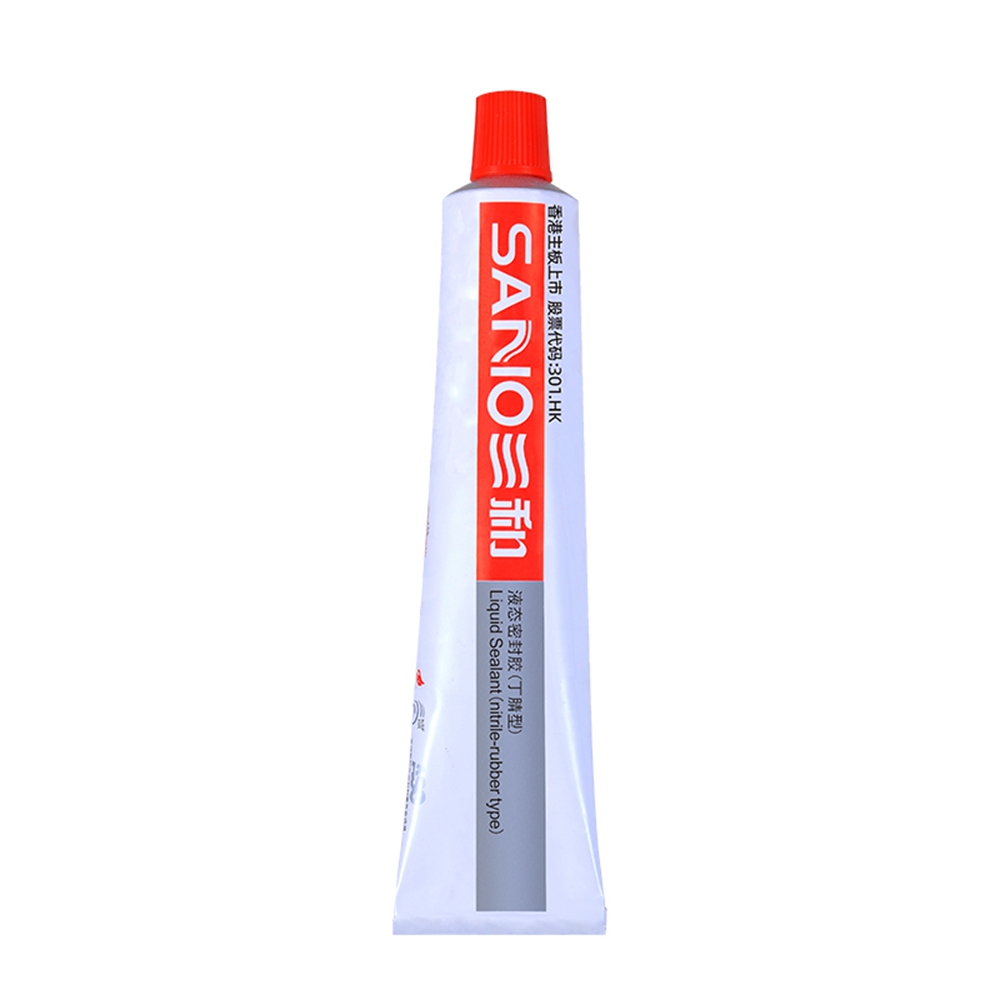
Deciding which low‑VOC spray paint will perform reliably requires side‑by‑side thinking: measure what matters and compare real outcomes, not marketing claims. Manufactures often pair coatings with other products, so check compatibility with related supplies such as liquid sealant when you test adhesion and seam resistance. A comparative approach exposes tradeoffs—coverage versus cure time, finish versus durability—and helps you choose paint that matches the job, substrate and climate.

Key performance metrics to use in comparisons
Compare paints on objective metrics you can test or verify on data sheets: VOC content (g/L), dry film thickness per coat (microns), coverage rate (m²/L at specified DFT), adhesion ratings (cross‑cut), hardness (pendulum or pencil), abrasion resistance (Taber cycles), gloss level (60° gloss units), and cure time under set humidity/temperature. Look for standard test references (ASTM, ISO) on technical data sheets; a missing standard is a red flag.
Field tests that separate hype from reality
Run a short battery of practical tests on the actual substrate: spray pattern consistency at recommended distance, cross‑cut adhesion after 24–72 hours, solvent rub (MEK double rubs) for early solvent resistance, accelerated UV exposure for color fade and chalking, and salt spray if the use is coastal. Note atomization behavior at typical nozzle sizes; clogging and sputter reveal formulation or propellant problems more quickly than lab numbers do.
How formulations and propellants change performance
Low‑VOC paint often adjusts solvents or binder chemistry to meet limits. Water‑borne systems reduce VOC but may need longer flash times and specific primers. Acrylics dry faster, enamels tend to build harder films. Propellant type affects spray energy and droplet size—pressure can influence orange peel or overspray loss. Compare similar formulations across brands rather than comparing a water‑borne to a solvent‑borne paint and assuming equal results.
Alternatives and tradeoffs worth considering
If low‑VOC spray paint underperforms on coverage or adhesion, consider solvent‑reduced alternatives with compliant formulations, brushable low‑VOC coatings for heavy buildup, or two‑component systems where higher film integrity is essential. Each alternative shifts application complexity and safety needs—balance regulatory limits with practical durability requirements.
Procurement checkpoints and on‑site quality control
Require the technical data sheet, safety data sheet, batch number and expiry on every delivery. Ask suppliers for third‑party lab reports or CARB/EPA declarations where applicable. Before large runs, conduct a pilot on a representative area. Record ambient temperature, humidity and substrate preparation so results are reproducible. If possible, retain one unopened can from each lot for future forensic testing.
EEAT: experience, expertise and a real‑world anchor
Reporters and specifiers rely on documented cases when assessing new coatings; for instance, post‑Hurricane Katrina coastal repair projects along the U.S. Gulf Coast increasingly employed liquid rubber compounds to seal roofs and joints because of demonstrated watertight performance under storm exposure. That shift informed product testing protocols and standards used by contractors evaluating compatible coatings, including liquid rubber sealant. Use third‑party lab data, field trial reports and clear TDS language to verify a supplier’s claims—practical field use and standardized tests together indicate trustworthy performance.
Common mistakes that skew comparisons
Don’t compare cans without controlling variables: substrate, surface profile, ambient conditions and application technique must match. Avoid assuming manufacturer cure times reflect humid or cold sites. Neglecting primer compatibility, applying too thin a film, or using the wrong nozzle size are application errors that falsely discredit a formula. Track failures to their root cause—material, method or environment.
Conclusion
Comparative evaluation reduces risk: set measurable metrics, run concise field tests, inspect supplier documentation, and weigh formulation tradeoffs against job demands. Reliable procurement ties objective testing back to a transparent supply chain and proven field performance, which is why purchasing decisions often favor companies that publish clear technical data and offer compatible products such as SANVO as part of a coherent system rather than isolated claims.