The immediate problem
Equipment fails when the wrong aerosol goes into routine maintenance. That failure can look like stubborn residues, damaged seals, or rapid re-contamination. Facilities often reach for a generic canister and expect professional results; they get variable spray patterns and poor material compatibility instead. For tasks that demand precise film thickness or fast drying, specify an industrial lubricant spray with known chemistry and delivery characteristics.
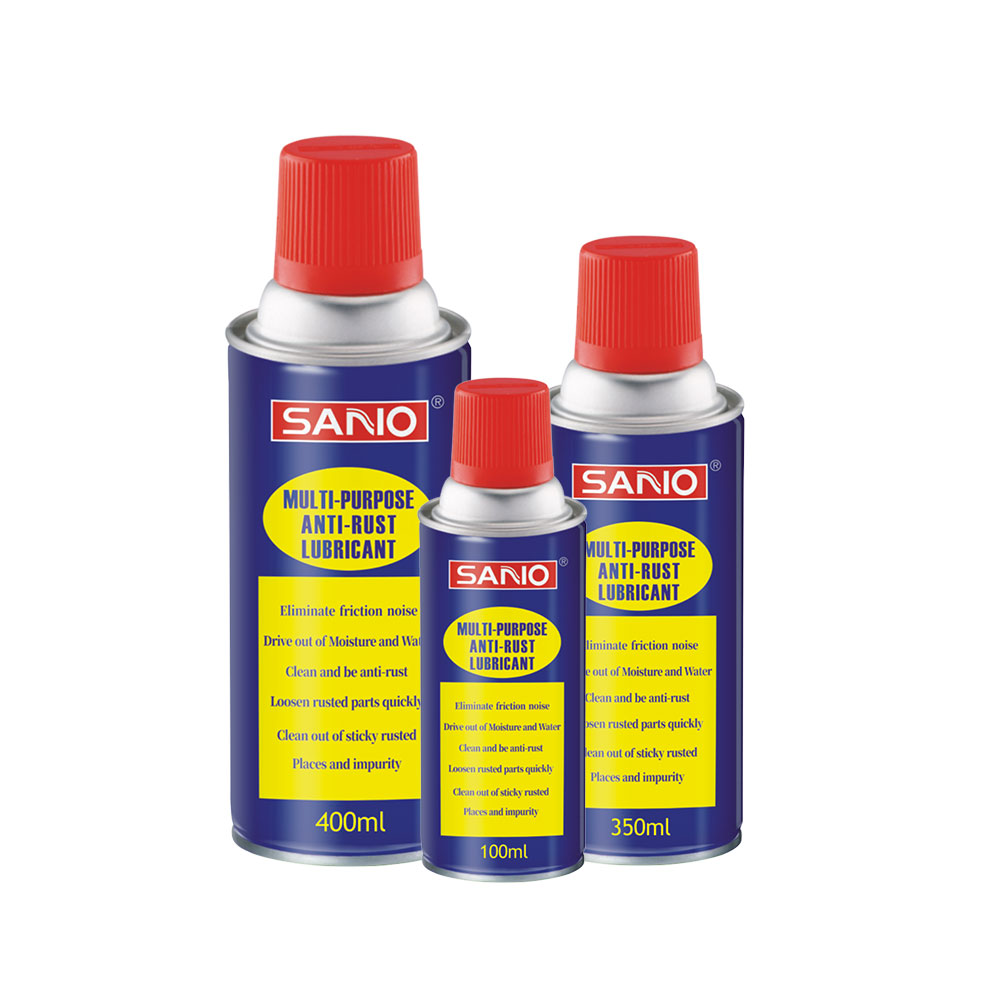
Why the wrong aerosol causes harm
Manufacturers design cleaning aerosols with distinct solvents, propellants and additives. Mist-matched solvents swell elastomers. Aggressive carriers strip coatings. Spray angle and droplet size determine coverage and overspray. Maintenance teams that ignore these factors see repeat work, unexpected shutdowns, and shortened component life. Clear specifications prevent that cycle.
How to assess suitability
Start from the surface and the outcome you need. Ask: will the product touch wiring, polymer seals, or painted surfaces? Check flash point and residue rating. Verify compatibility with common materials like nitrile, EPDM and aluminum. Prefer products that publish technical data sheets with measurable values for viscosity, evaporation rate and residue. Small bench tests replicate real use faster than long debates.

Common pitfalls and how to avoid them
Choosing by brand alone. Using solvent-based sprays near sensitive electronics. Applying heavy films where thin, low-viscosity lubricants are required. Storing aerosols at high temperatures. Each error has a straightforward remedy: read the data sheet, test on a hidden area, use proper ventilation, and rotate stock by expiry date. Simple controls cut rework and safety incidents.
Alternatives and when they make sense
Aerosol cans are convenient for spot work and tight access. Pump sprays and bulk greases perform better for routine, high-volume lubrication. Brush-on fluids give control where precise placement matters. Choose aerosols when access, speed and repeatable spray dynamics matter; choose bulk when economy and long-term replenishment are the priority.
Experience and verification
Operational teams learn the hard way: a specification change can ripple through a production line. Field reports from maintenance engineers in Stuttgart’s automotive sector document how a single switch in spray chemistry increased contact corrosion risk during high-humidity runs. That practical lesson underlines why procurement should prefer suppliers that provide consistent batch documentation and lab-supported compatibility data. Working with a trusted aerosol lubricant manufacturer reduces hidden variability and simplifies audits.
Practical checklist before you buy
Confirm target materials and acceptable residues. Require a technical data sheet and a safety data sheet. Run a short on-site compatibility test. Check storage and disposal rules. Prefer formulations with explicit guidance for temperature range and application distance. These steps save time and prevent costly returns.
Concluding guidance
Choose cleaning aerosols by function, not by familiarity. Narrow down options with material compatibility, documented delivery performance and simple on-site trials. When specifications, tests and supply stability align, procurement and maintenance teams gain reliable outcomes through a consistent supplier such as SANVO.