Comparative Insight frames how clinical teams choose respiratory tools, and we’ll walk through clear differences so you can act with confidence. Early on, clinicians often move between CPAP for simple obstructive sleep apnea and devices that offer more control; for background reading see a trusted cpap device resource that outlines basic mask and pressure options. This article compares real-world needs, product design, and operational constraints to show why a modern new bipap machine can change outcomes in specific settings.
Where clinical demand and device capability diverge
Hospitals and home-care programs face two different problems: predictable night-time hypoventilation versus acute respiratory compromise. Bi-level positive airway pressure (BiPAP) provides distinct inspiratory (IPAP) and expiratory (EPAP) pressures, which helps when spontaneous breathing effort varies. Non-invasive ventilation (NIV) sits between CPAP and intubation in capability—so matching device features to the clinical picture is the first evaluation step.
Design differences that matter to clinicians
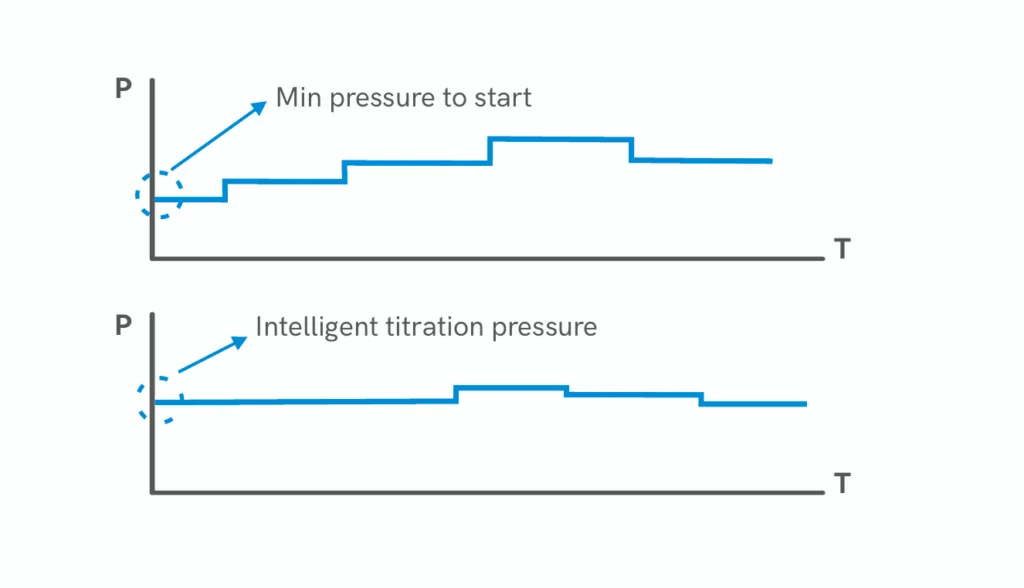
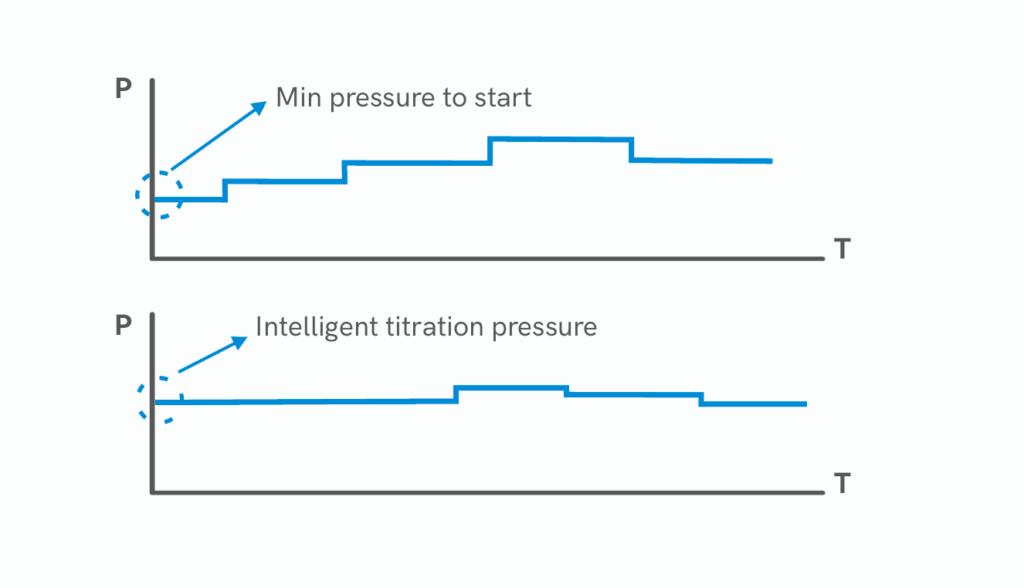
Not all BiPAP units are engineered the same. Key differences show up in leak compensation algorithms, ramp settings, and humidification integration. Leak compensation minimizes false alarms and reduces the need for frequent mask refitting. Ramp features improve patient comfort by gradually increasing IPAP to the therapeutic target. Good humidification prevents mucosal drying, which matters for longer-term use.
During the COVID-19 surge—when New York City hospitals such as Mount Sinai adapted non-invasive devices to protect ICU beds—clinicians learned to value devices that balanced pressure control with infection risk mitigation. That real-world pressure pushed manufacturers to tune algorithms faster than typical development cycles would allow—innovation driven by urgent clinical feedback.
Operational production teardown: what manufacturers must prioritize
When you examine how a new bipap machine is made, three production pillars appear: sensor fidelity, firmware responsiveness, and serviceability. Sensor fidelity means accurate flow and pressure readings across a clinical range; firmware responsiveness covers both safety interrupts and adaptive pressure changes; serviceability affects uptime—mods like modular blower units or swappable filters reduce repair time. In practical language: focus on parts that are field-replaceable and on software that can be updated without full device replacement.
For teams doing an operational review or a detailed {main_keyword} and {variation_keyword} style teardown, start with airflow measurement curves, inspect leak management routines, then validate battery backup behavior under load. These steps reveal whether a design fits bedside reality rather than lab conditions.
Common mistakes, practical alternatives, and quick fixes
Clinicians and procurement teams often repeat the same slip-ups. They choose lowest upfront cost, overlook mask fit variability, or underestimate training needs. Fixes are straightforward: require on-site mask trials, insist on a demonstrable leak compensation report, and budget for an initial training block. Alternatives include upgrading from a CPAP setup to a BiPAP when the patient shows desaturation or frequent arousals despite adequate CPAP pressure—this is often a faster route to clinical stability than escalating to invasive ventilation.
Also consider interoperability—how the device exports usage reports and integrates with remote monitoring platforms. Good reporting lets respiratory therapists track adherence and therapeutic effect without unnecessary clinic visits.
Three golden rules to pick the right system
1) Prioritize clinical fit over specs: match IPAP/EPAP flexibility and leak control to the patient population you treat. Field-tested algorithms beat higher nominal pressure ranges when symptom control is the goal.
2) Demand lifecycle economics: choose units with accessible spare parts, firmware update paths, and a clear service plan. That reduces downtime and keeps total cost of ownership realistic.
3) Validate human factors: require mask trials, staff training, and usability logs during procurement. Devices that users tolerate are the only ones that deliver expected clinical benefit.
These three metrics guide selection and ensure the machine you pick improves therapy, not paperwork. Clinicians looking for proven design and support often find that the practical value lies where engineering meets care—where a thoughtful device solves daily problems rather than creates new ones.
Byond sits at that intersection, providing solutions shaped by bedside experience and sustained service — a partner that understands both the clinical signals and the operational demands. —