Introduction: The Meeting Where Words Fall Between the Notes
Monday, 9 a.m., the quarterly review begins, and the room rustles with laptops and coffee lids. The conference room mic system blinks on, yet the far end hears a wash of air vents and chair squeaks before they catch a single clear point. Across companies, teams say up to a third of their meeting time slips away to unclear audio, delayed responses, and “sorry, can you repeat?” moments—funny how that works, right? Now ask yourself: if the voice is the message, how come the room steals the voice? We measure the screens and slides, but the sound gets a shrug (until it breaks). The core issue is not only the mic. It’s how the room, the network, and the people collide in real time. Is there a better way to compare what we have with what we actually need—and to prove it with simple checks, not hunches? Let’s unpack where the gaps hide.
Beyond Basics: Why Traditional Discussion Devices Miss the Mark
Why do old setups fail?
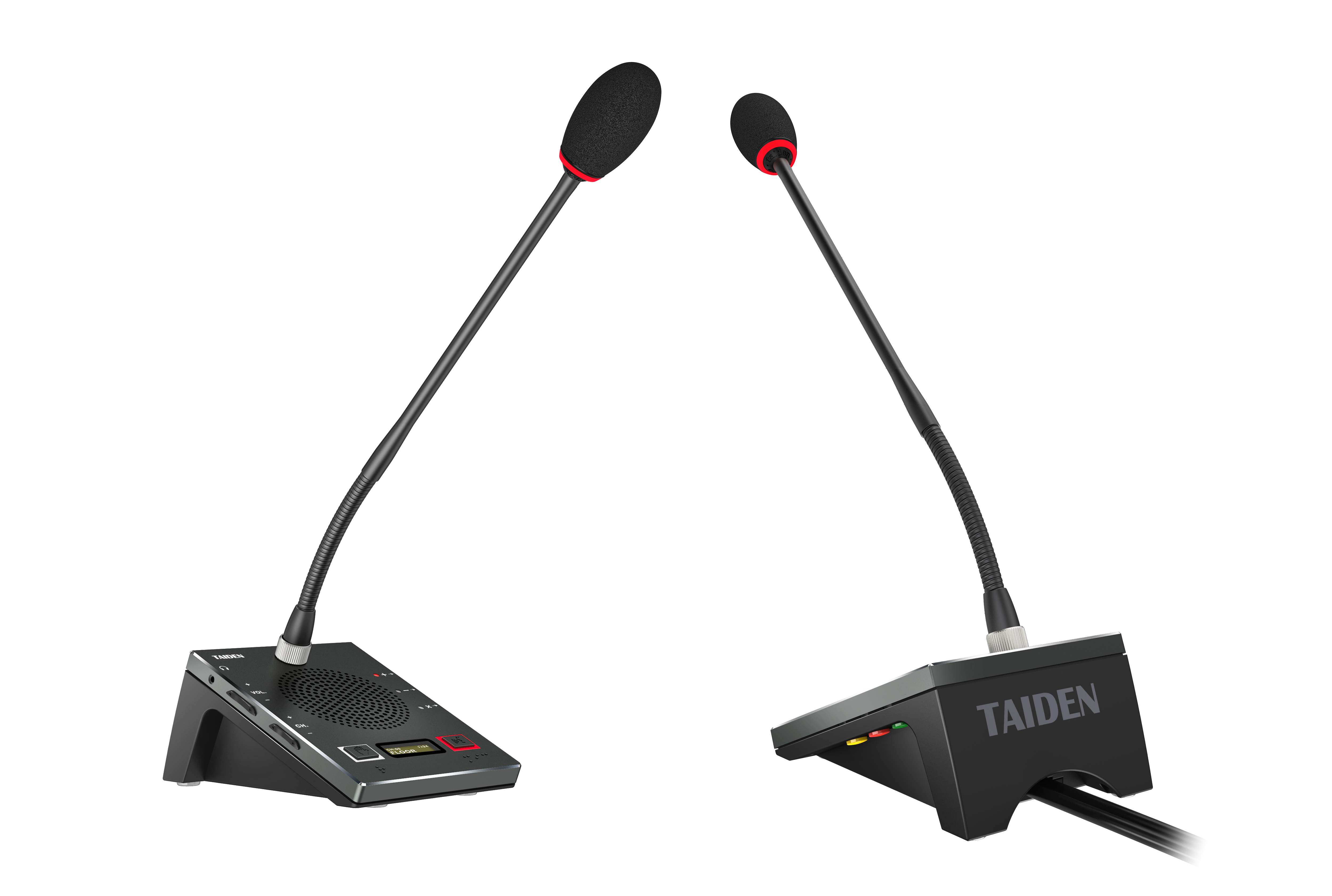
A discussion device promises order: take turns, be heard, keep notes. Yet legacy systems often rely on fixed pickup patterns and manual gain chasing. That means inconsistent loudness and fatigue at scale. The problem is physics plus control. When a talker leans back or turns their head, a static cardioid cannot follow. Without beamforming arrays and clean AEC, room noise rides on top of speech. Add a few open mics and the noise floor blooms. Latency grows when the DSP pipeline is chained across patchwork gear; gain sharing gets sloppy; RF spill sneaks in. Look, it’s simpler than you think: the “bad audio” many blame on the network is usually a routing or dynamics issue—thresholds too low, no proper noise gate, or poor mic preamp headroom. Cable power? Old runs and mismatched power converters starve endpoints, so they drift. Even good PoE switches fall short if QoS is loose. The deeper flaw is architectural: one box tries to do it all, so every change touches the whole stack. That invites recalls, not fixes, when a room’s use shifts overnight.
Comparative Insight: Principles That Lift the Room, Not Just the Mic
What’s Next
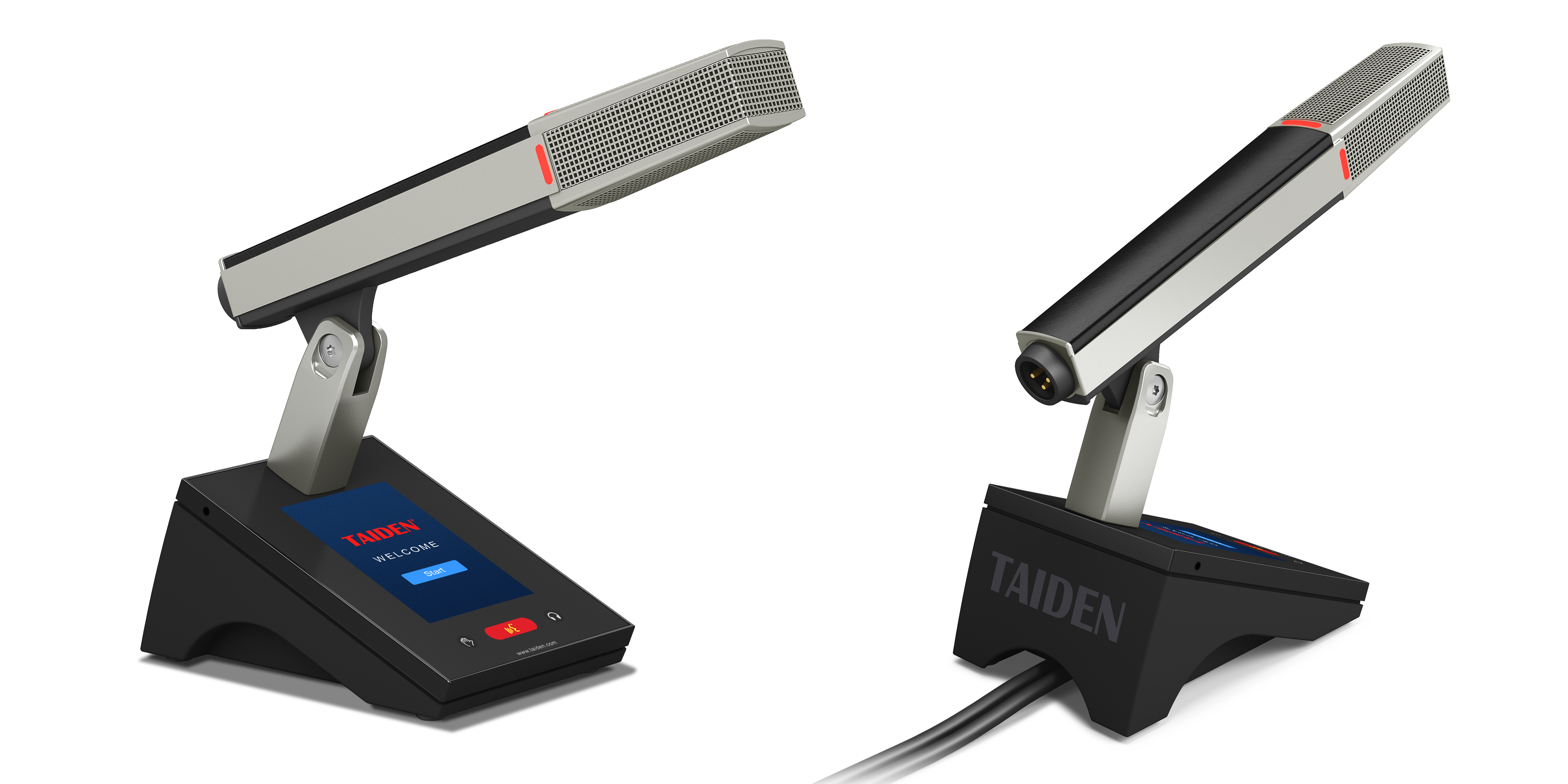
Moving forward, the better comparison is not brand versus brand; it’s architecture versus architecture. Systems that distribute intelligence—edge computing nodes near the microphones, fast DSP close to the signal—trim latency and keep context. In practice, that means smart beamforming that tracks talkers, not chairs; AEC tuned per seat, not per room. Networked audio like Dante or AVB helps, but only if QoS and clocking are tight. Encryption (AES-128 or better) protects the council floor without adding delay. The chair’s role also evolves. A modern chairman unit is not only a priority mic. It’s a control surface for floor requests, language channels, and recording states—so discussion flow becomes predictable, even when hybrid meetings add remote voices. Small upgrades add up—gain structure that self-checks, power monitoring that flags a sag before it mutes a mic, and diagnostics that explain, in plain language, why a seat sounds dull today.
Compare that to traditional tables full of fixed goosenecks and manual mixing: the new approach listens and adapts. It learns talker distance and noise signatures across meetings, then trims artifacts in real time— and not a single cable change. Power stays stable thanks to PoE budgeting and cleaner power converters; coverage stays even because the array can re-steer after someone wheels in a whiteboard. Summing up our earlier points without repeating them: the weak spots were static pickup, fragile gain, and monolithic control. The gains now come from adaptive capture, shared processing, and modular oversight. Advisory close: when choosing your path, test three metrics. First, intelligibility under stress: verify STI or word-score while doors open and laptops fan up. Second, stability under load: watch end-to-end latency, packet loss, and AEC tail length during full-seat sessions. Third, manageability: check if you can trace faults per seat, update firmware safely, and log events you can actually read. For deeper exploration of standards-driven council systems and components, see TAIDEN.