Introduction: Where Meetings Win or Lose
A Monday stand-up freezes. The mic dies, the screen flickers, the client waits. Your heart drops—again. An audio visual equipment supplier gets the call only after the panic starts. Eish, we’ve all seen it, hey. Studies say over half of meetings start late due to tech hiccups, and downtime adds up fast. Why do simple decks and calls feel like high-wire acts? Is it the gear, the setup, or how people use it? Maybe it’s all three. In rooms where a DSP and HDCP handshakes run the show, one tiny mismatch can stall an entire agenda. And the real cost isn’t the cable; it’s trust. So, what makes a room run smooth—every day, not just on demo day? Let’s shift from blame to blueprint—step by step, clean and clear—and set up choices that actually work.

Under the Hood: Why Legacy Rooms Keep Failing
Most conference spaces claim to have conference room audio video solutions sorted, but the old stack hides traps. Big matrix switchers look powerful, yet they lock you into fixed paths. One firmware update breaks an EDID chain; one adapter ruins the signal. HDBaseT runs long, but it hates cheap terminations. Latency stacks up when codecs and the DSP matrix don’t agree on sample rates. You add a new laptop. The room forgets its manners. Look, it’s simpler than you think: the system was never designed for today’s plug‑and‑present churn.
What actually goes wrong?
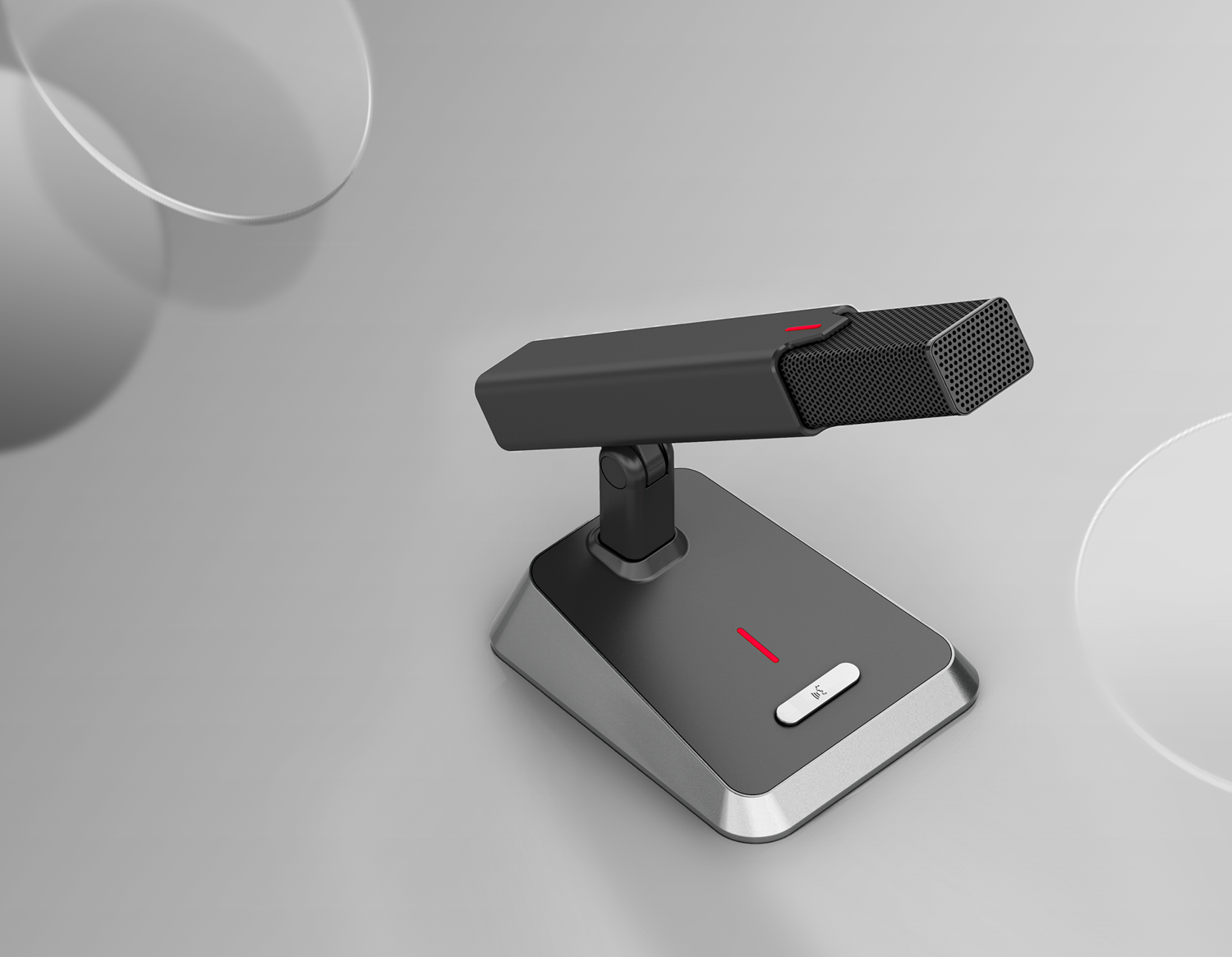
Three patterns repeat. First, control sprawl. Too many panels and no single logic map. Users stab buttons, hoping—funny how that works, right? Second, power and policy. A wall of power converters feeds gear that boots slow, while HDCP rules block content at the worst time. Third, microphones and acoustics. Without beamforming microphones and proper gain structure, people strain, and meetings drift. The flaw is not only the hardware. It’s the brittle chain. Each device has a personality; together they argue. QoS is ignored on the network. The result is jitter, echo, and confusion. And that’s before you add BYOD. The lesson? Traditional rooms assume predictability. Modern work is anything but. We need systems that adapt—on their own, and not a second sooner.
Looking Ahead: Networked AV That Just Works
The next wave swaps heavy crosspoints for software-defined flow. AV-over-IP rides the same backbone as your apps, but with smart traffic rules. Signals move as streams, not fixed routes. PoE simplifies power and cuts clutter. Edge computing nodes sit near endpoints, doing echo cancel, auto-mix, and privacy scrubs before media hits the core. With AES67 profiles and zero-touch provisioning, devices introduce themselves, lock to clock, and keep latency under control. Compared to the old rack maze, it’s cleaner and easier to scale. And when you pick from seasoned av equipment suppliers, you get validated topologies that reduce guesswork and firefighting.

What’s Next
We’re moving from “set and hope” to “sense and steer.” Rooms self-check on startup. Cameras auto-frame. DSP pipelines load per meeting type. If Wi‑Fi dips, streams fail over to wired—quietly. Policies decide who can present, and logs show why things fail. That bridges what we saw earlier: late starts, fragile chains, and user stress. Now you have clearer choices. Advisory close: use three metrics when you compare solutions. One, reliability: insist on a 99.9% room‑uptime SLA with live telemetry you can see. Two, performance: end‑to‑end round‑trip latency under 30 ms for voice, and clean echo control in mixed-mode calls. Three, openness: APIs for control, security posture (TLS, SSO), and standards support that prevent lock‑in. Do that, and your meetings feel stress‑free—every time. That’s how signals meet strategy, and how rooms start on time. For a deeper look at integrated approaches, see TAIDEN.