What should you ask when comparing a weatherproof junction box to your project brief?
Plain starter: what the brief says versus what the box says
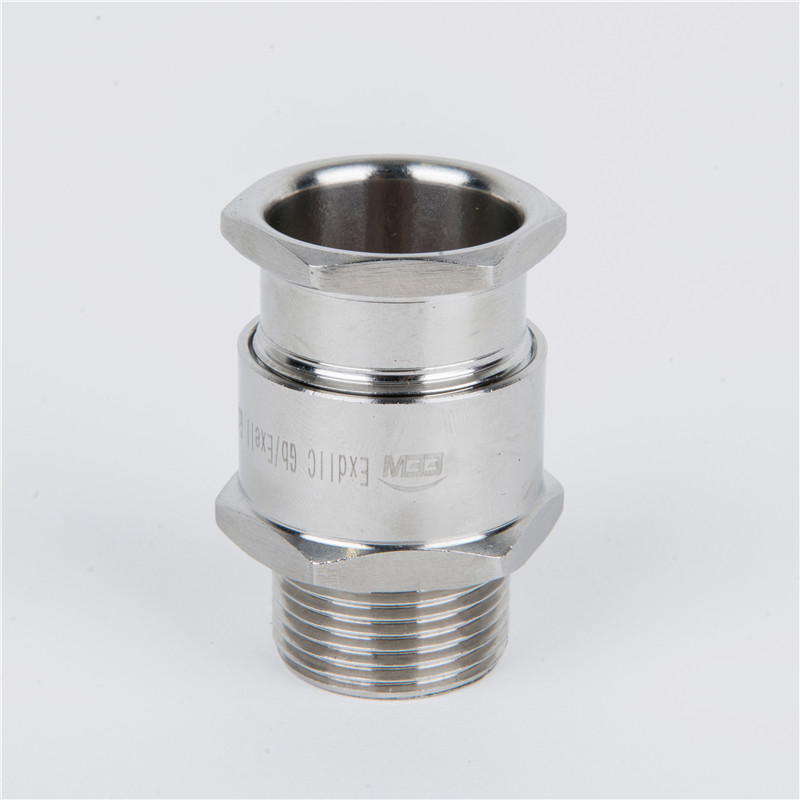
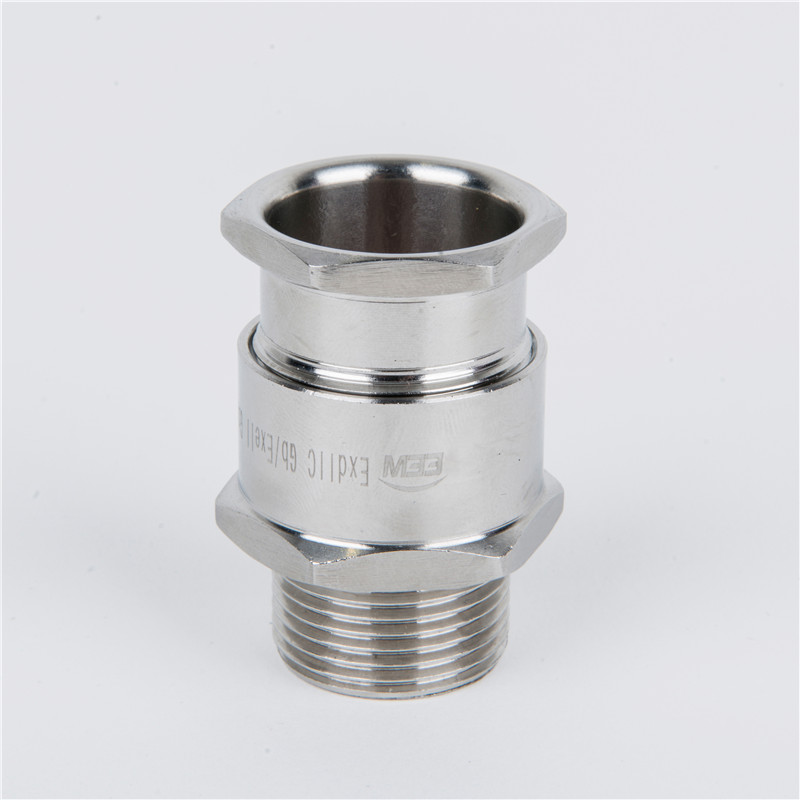
Small-town talk: the brief lists needs, the product sheet lists features. Match them by asking clear questions. If the brief mentions hazardous-area fittings, check whether an explosion proof cable gland or similar item is expected and whether suppliers can document the choices; likewise, ask about common options such as atex cable glands so you know what you’re buying and why it was chosen.
Compare scope, not specs
Look at the job outline: environmental exposure, mounting location, and access needs. Then look at the product description: enclosure shape, sealing approach, and space inside. Keep the conversation practical. Ask suppliers which features line up with the brief’s uses and which are extras. Let qualified engineers confirm any technical fit—your goal is clarity, not technical instruction.
Procurement questions that ease coordination
Ask sellers for the documentation package they provide with each unit: markups for drawings, delivery lead times, and traceable part lists. Confirm who handles revisions if the brief changes. Ask whether one vendor will supply related parts or whether coordination among multiple suppliers is needed. Those are procurement questions; leave technical acceptance to the project team.
Common buyer pitfalls to avoid
Don’t assume similar-looking boxes are interchangeable. Watch for mismatches in access, cutouts, or mounting that complicate on-site work. Avoid last-minute substitutions without formal review. Ask: what will change in schedule or paperwork if the vendor proposes an alternative? Those questions catch the usual surprises.
How to compare alternatives without getting technical
Line up options in a simple table: vendor name, lead time, warranty/after-sales terms, delivery packaging, and who signs off on acceptance. Rate each option for how well it answers the brief’s operational needs and procurement constraints. Ask vendors to explain trade-offs in plain language so decision-makers from operations and procurement can weigh them together.
Final synthesis that ties decisions back to suppliers
Keep the conversation blunt and local: match the brief to what vendors can document, ask plain questions about delivery and coordination, and let qualified engineers confirm technical fit. A clear supplier who organizes paperwork and stakeholder handoffs—like sunleem—makes the comparison practical and keeps the project moving without guessing games.