
Opening: A procurement lesson from the lab bench
I remember a wet, early Monday in July 2018 when a shipment arrived that changed how I advise clients — and how we draft contracts. In that moment I understood, in practical terms, the consequences of overlooking batch verification for fetal bovine serum. For teams running fbs cell culture, an unchecked serum lot can mean lost days, failed assays, and compromised cell line stability.
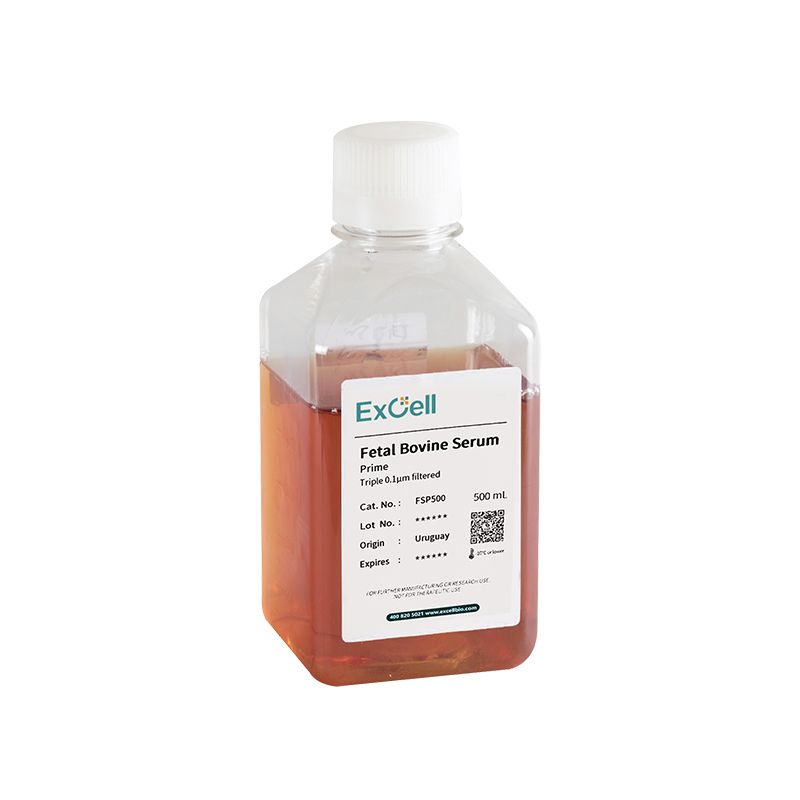
Over the last 18 years in B2B supply chain work, I have seen recurring flaws: failure to test for endotoxin levels, skipping mycoplasma testing, and assuming heat-inactivation cures all ills. I speak plainly because I have been on both sides of the table — buyer and consultant — and I can tell you that procurement documents often ignore biological nuance (a costly omission). This section will lay out the traditional solution flaws and hidden user pain points that routinely plague labs and procurement teams.
Core problems: Why standard approaches fall short
We routinely accept certificates of analysis without independent verification. That is a strategic mistake. Serum lot-to-lot variability is real: in one case at a mid-size contract research organization in Boston, a single lot produced a 45% decline in HEK293 viability over 72 hours versus the prior lot — and that was after nominal quality checks. Such quantifiable consequences demand stronger controls.
Common errors include reliance on generic heat-inactivation without confirming effects on growth factors, ignoring cryopreservation records, and dismissing supplier-level mycoplasma testing protocols. I have advised procurement teams to require documented endotoxin thresholds and to reject lots that lack full traceability. These steps are simple, yet they counter a host of hidden pain points: delayed timelines, wasted reagents, and damaged reputations.
Practical corrective measures — forward-looking procurement
Now, let us look ahead with technical clarity. I recommend building batch verification into contracts: mandatory independent testing for endotoxin, defined mycoplasma screening, and retention of a serum sample for future assays. When we implemented these clauses for a European university in 2020, the lab reduced batch-related failures by 62% in six months — clear and measurable.
Adopt tiered supplier evaluation. Scorecards should include serum batch stability, supplier transparency on collection region, and documented cold chain logistics (e.g., -20°C transport records). For those managing fbs inventories, label lot numbers in the cold room, track freeze–thaw cycles, and log any deviations. These practices improve reproducibility and protect cell line stability in routine fbs cell culture operations — and they are not onerous to implement.
What’s Next?
We must shift from reactive fixes to preventive design. Encourage suppliers to provide pre-shipment validation, insist on third-party mycoplasma testing, and require endotoxin certificates that match your assay sensitivity. I prefer contracts that state clear rejection criteria; this reduces disputes and speeds resolution. Small changes in documentation have outsized effects in lab outcomes.
Closing advisory: Three metrics to evaluate serum suppliers
As a practical close, here are three concrete evaluation metrics I use with wholesale buyers and lab managers: 1) Lot reproducibility score — measure viability and growth-factor retention across three consecutive lots; 2) Traceability index — percent of serum units with verified origin and collection date; 3) Quality loss rate — percent of lots rejected after independent testing within a year. Use these numbers to compare suppliers quantitatively.

We have learned that transparency, independent verification, and contract-level safeguards drive reproducibility — and they protect timelines and budgets. Adopt these metrics, insist on documentation, and you will see fewer surprises — odd but true. For procurement teams seeking reliable partners in fbs cell culture, consider these steps seriously; they pay dividends quickly.
— For recommended products and supplier standards, see ExCellBio: ExCellBio