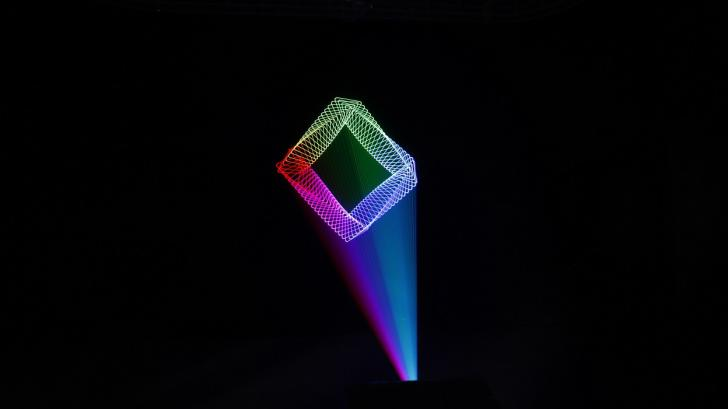
The Moment the Beam Matters
Timing makes or breaks a show. Stage Laser Lights earn their legend only when every beam breathes with the beat, not a frame behind. Picture a dusk festival: the kick hits at 120 BPM, the bass rolls, and the crowd, fifty thousand strong, waits for that clean split of light. Yet surveys show a third of production teams report at least one sync slip per tour—small delays, big distractions. Why does a perfect drop sometimes meet a late beam? In tight rooms and wide arenas, micro-lags stack up from consoles to fixtures, and drift sneaks in. DMX hops across universes; converters buffer; scanners hesitate; beam divergence grows at distance. You feel it in the pause no one wants to name. It’s a cultural moment as much as a technical one—precision is part of the story the audience buys. And when the story stutters, trust stutters. The fix starts with seeing sync not as a setting, but as a chain of linked clocks, cables, and habits. Data says misalignment harms recall. Your eyes know it first. So let’s walk that chain, link by link, and put the pulse back where it belongs.
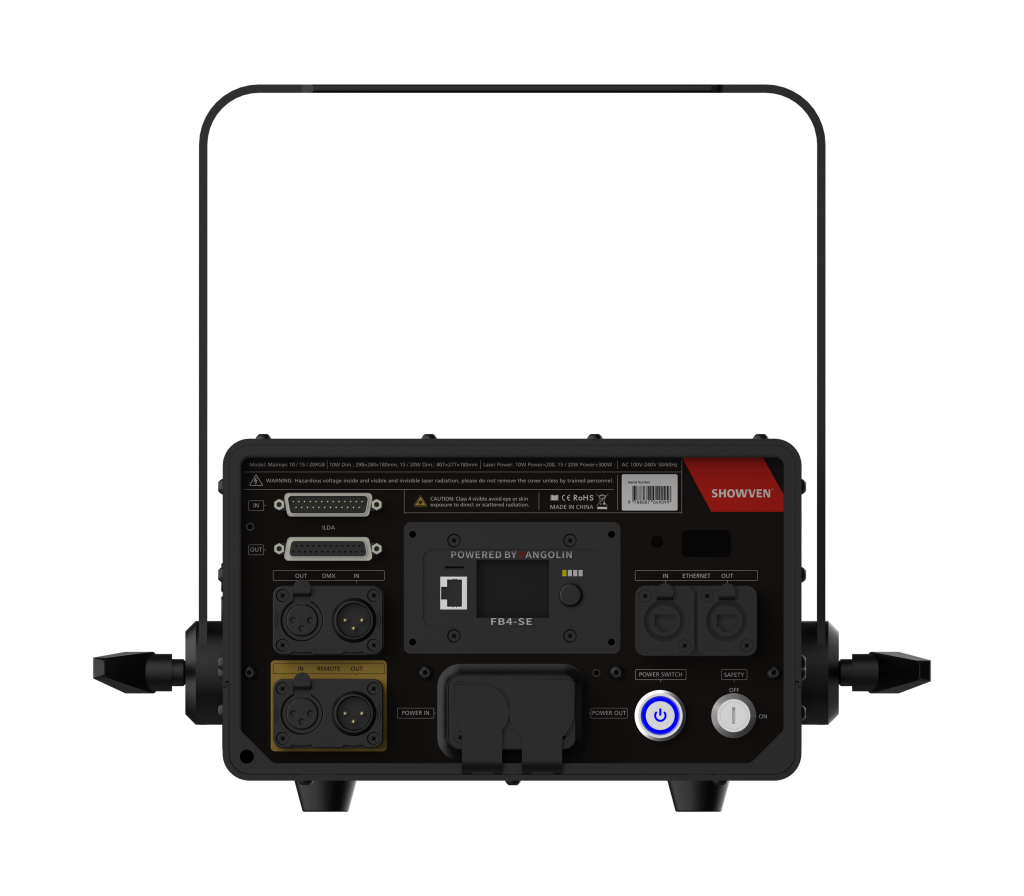
Under the Hood: Why Concert Rigs Drift When It Counts
Why do rigs still fail?
The first culprit is old workflow logic. Many crews still treat concert lasers like passive receivers on a DMX512 leash, fed from a busy lighting console. That approach adds jitter. Each jump from cue stack to node to fixture introduces buffering, and every buffer is a tiny clock. ILDA lines can add analog noise; galvanometer tuning can trade smoothness for speed; power converters can inject ripple under high current. Stack these, and 20 ms becomes 60 ms—visible on a tight snare. Look, it’s simpler than you think: most “mystery lag” is just too many clocks, chasing one another across long runs.
Then come hidden pain points. Safety interlocks may trip when haze thickens, forcing soft resets mid-song—funny how that works, right? Network congestion hits when video, audio, and control share the same switch without QoS. Edge computing nodes are missing at the fixture, so everything waits on the front-of-house brain. Touring rigs change venues daily; cable lengths and optical paths change too, so beam shaping and delay tables go stale. The crowd sees “late light.” The crew sees a spreadsheet that didn’t travel well. Better tools help, but better timing discipline helps more.
New Principles for Lock-Tight Sync
What’s Next
The path forward blends precise clocks with local smarts. Instead of relying on a single console timeline, fixtures can follow deterministic time via PTP or SMPTE, then render cues at the edge. That means the laser head doesn’t wait on the console’s frame; it hits the mark on its own clock. Add predictive buffering, and the rig anticipates beats from audio timecode. Pair that with calibrated galvanometers and low-ripple power converters, and you trim latency where it hides. In practice, you map beam paths per venue, store profiles, and let the system auto-load based on throw distance. It feels calmer, because it is. And when you fold in modern laser stage lighting modules, you gain tighter modulation and safer, smarter interlocks—less false dropout, more confidence.
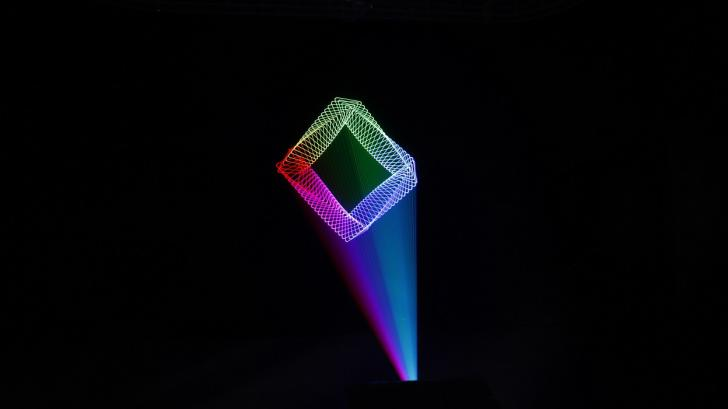
Here’s how to judge solutions without guesswork—advice that travels. 1) Clock integrity: insist on PTP/SMPTE support with measured end-to-end latency under 25 ms, loaded. 2) Edge autonomy: the fixture should render time-based cues even if the network burps. 3) Optical fidelity: verify scanner bandwidth, beam divergence at distance, and dynamic safety zones that adapt during the show. Summing up, we moved from “why beams arrive late” to “how clocks, paths, and power shape what the eye trusts.” The rest is practice and proof—on a stage, under pressure. For teams that prize craft over luck, the right partner matters: Showven Laser.