Introduction: A quiet clinic, a surprising stat, a lingering question
One evening I sat with a clinic owner who had stacked boxes of LED panels in a corner and hope in her eyes. She told me half her orders returned within three months — not because the lights failed, but because customers felt no real change. That small scene mirrors a larger truth: a red light therapy company often looks promising on paper but trips over practical details. (Data point: some small vendors report return rates near 20% in early quarters.)
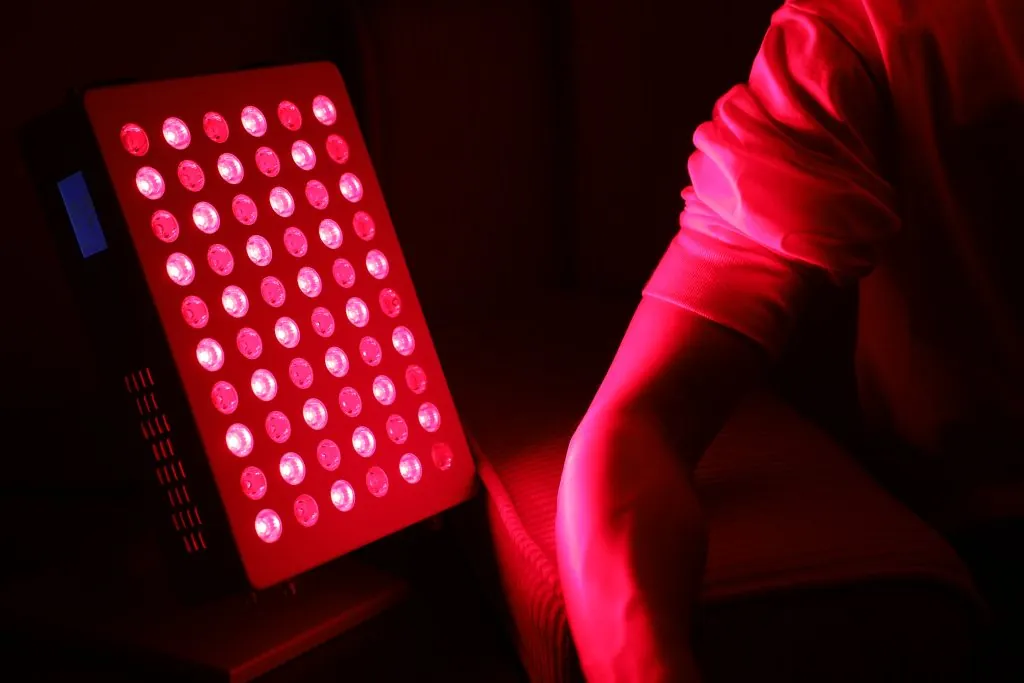
I find that simple scenarios like this help me see the task clearly. They force us to ask: why do products that promise photobiomodulation and wound care results miss the mark when real people use them? It’s a gentle puzzle — and one I want to unpack with you now.
There are threads to pull: user expectations, device specs, and the gap between lab irradiance numbers and living-room reality. Let’s move into a more technical view of where common solutions fail — and what that reveals.
Where common solutions fall short (technical view)
top red light therapy companies often tout wattage and wavelength like they’re the whole story. I’ve looked at dozens of spec sheets and sat through product demos. The missing pieces are often in design trade-offs: poor heat sinks, uneven LED arrays, weak pulse modulation — small engineering choices that change outcomes. Irradiance at the skin, not just diode output, determines whether therapy is effective.

What’s really broken?
First, many devices measure at the device face, not at 2–6 cm from the skin where most people use them. That creates a false promise. Second, ergonomic pain points matter: bulky panels, unclear session timing, and confusing user interfaces make compliance low. Look, it’s simpler than you think — people stop using gear that feels finicky. We’ve also seen power converters chosen for cost rather than stability; that leads to flicker and inconsistent dose delivery — and users notice subtle differences in effect.
New principles and a forward view (semi-formal, comparative)
When I look across the field I compare two paths: one that chases raw specs and one that designs for human use. The latter wins more often. Smart firms—especially those that studied top red light therapy companies—pair LED arrays with simple timers, clear clinical guidance, and reliable thermal design. They align wavelength selection with target tissue depth. That’s not glamorous, but it works.
Here’s a short view ahead: start with user-centered metrics, then layer in engineering rigor. I’d prioritize three measurable checks when I evaluate a device: 1) delivered irradiance at typical use distance, 2) session repeatability (no drift, stable pulse modulation), and 3) user adherence signals (comfort, ease of use). Those are the things that separate a novelty from a tool. — funny how that works, right? And yes, I’m speaking from hands-on review and from conversations with clinicians who actually track outcomes.
To close, I’ll leave you with practical takeaways for choosing or building better red light systems: check real-world irradiance numbers, test for thermal stability and power converter quality, and design for daily habit. If you do that, you move beyond marketing claims to real results. For folks building or choosing solutions, I recommend these three evaluation metrics as a quick filter: delivered irradiance at use distance, device stability over repeated sessions, and user compliance indicators. Keep those front and center when you compare options — they predict outcomes better than a glossy spec sheet.
Curious to see examples that fit this approach? I’ve watched companies refine their designs and learn — and I believe brands that combine empathy with engineering will lead next. For a team doing just that, consider learning more from Magique Power.