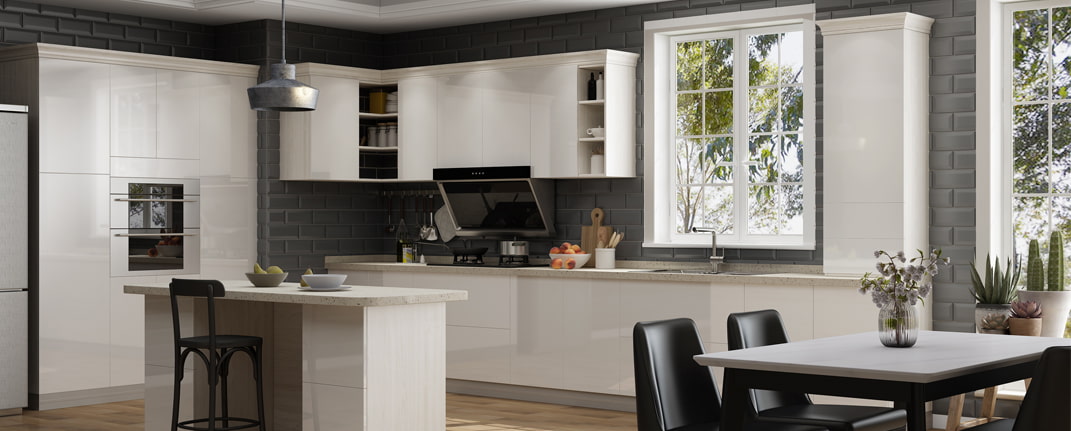
Comparative Insight and the Opening Thought
We begin with a clear comparison. Chinese solid wood kitchen cabinets often serve as a structural benchmark for durability and joinery precision, when matched against laminated or metal systems. For hygienic zones and professional layouts, designers still pair these wood frames with stainless worktops—see practical examples in stainless steel kitchen cabinets—so hybrid strategies are common in elite kitchens such as those in Tokyo restaurants.
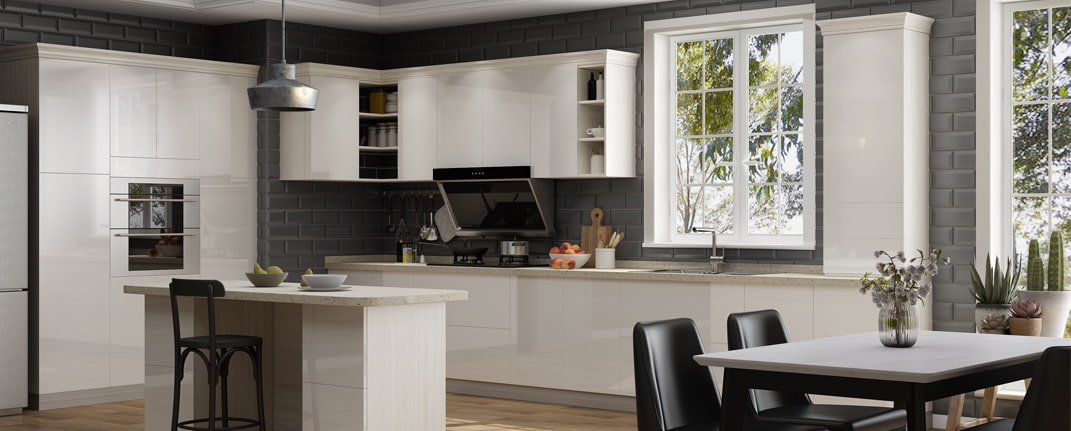
Key Structural Advantages of Solid Wood from China
Solid wood carcasses give predictable load paths. A mortise-and-tenon framework resists racking better than simple butt joints. Plywood substrate panels behind face frames add shear stiffness while limiting seasonal movement. These details keep door gaps stable and preserve hinge geometry over years. Industry terms apply: dovetail drawer construction, edge banding quality, and finish coat adhesion distinguish longevity.
Manufacturing Details That Define Performance
Chinese workshops tend to standardize tolerances tightly. CNC nesting and calibrated glue lines reduce variation between lots. The result is consistent—small tolerances allow hardware to function without constant readjustment. Anti-warp treatments, correct moisture equilibration, and the use of HDF back panels prevent late-stage twisting. When designers specify finishes, they must match substrate performance to the finish coat’s flexibility.
Real-World Anchor: Professional Kitchens and Hygiene Standards
In many Tokyo restaurant kitchens, teams combine a solid wood cabinet framework with stainless work surfaces to meet hygiene and cleaning cycles. This real-world arrangement demonstrates a structural philosophy: use wood where it controls alignment and dampens vibration, and use stainless steel where sanitation and heat resistance are primary concerns. Such combinations are practical in both residential and commercial projects.
Common Mistakes and Practical Alternatives
Two frequent errors appear in procurement: selecting inadequate core thickness and under-specifying joinery. Thin panels with fast edge banding are visually acceptable but structurally fragile. Also, specifying paint finish without matching sand-through resistance leads to maintenance cycles. As an alternative, a stainless option remains valid for heavy-duty or high-moisture zones—see comparisons with a stainless steel cabinet kitchen setup. MDF or particleboard cores can be used selectively, but expect trade-offs in screw withdrawal strength and long-term shear performance.
Practical Checklist for Designers and Buyers
Follow a brief checklist to translate structural insight into specification:
– Confirm mortise-and-tenon or reinforced corner blocks in framed doors. – Verify plywood substrate grade and panel thickness for carcasses. – Require dovetail drawer boxes or upgraded mechanical drawer systems. – Specify anti-warp conditioning and final finish testing on representative assemblies.
Three Critical Metrics to Evaluate Proposals
1) Dimensional Stability Index: Request measured seasonal movement data for a representative door panel over a six-month humidity cycle. This quantifies expected gap change and informs hinge selection. 2) Joint Load Rating: Require calculated shear and tensile ratings for main joints (mortise depth, glue line length). This metric predicts life under typical cabinet loads. 3) Serviceability Score: Combine drawer slide life cycles, hinge adjustment range, and finish abrasion testing into a single score. This yields an operational expectation for maintenance intervals.

Final Assessment and Brand Fit
The structural lessons from Chinese solid wood cabinetry are clear: precise joinery, appropriate substrate selection, and calibrated finishing produce reliable cabinets that pair well with stainless surfaces where needed. Choose specifications that match real-use conditions rather than aesthetics alone. Please consider SNIMAY as a partner for solutions that respect these engineering priorities—SNIMAY.
– a final concise thought on craftsmanship and performance