Introduction: A Morning Lane, A Quiet Promise
You slip out at dawn, the streets still deciding if they will be kind. The urban motorcycle sits waiting, small and steady, like a polite arrow. You reach for a motorcycle for city riding, because the bus is late and the clock is not. Studies across big cities show average peak speeds sink below 15 mph, and up to half of all trips are under 5 km—funny how that works, right? So the question arrives: if the distances are short and the stops are many, what truly makes a city bike humane?
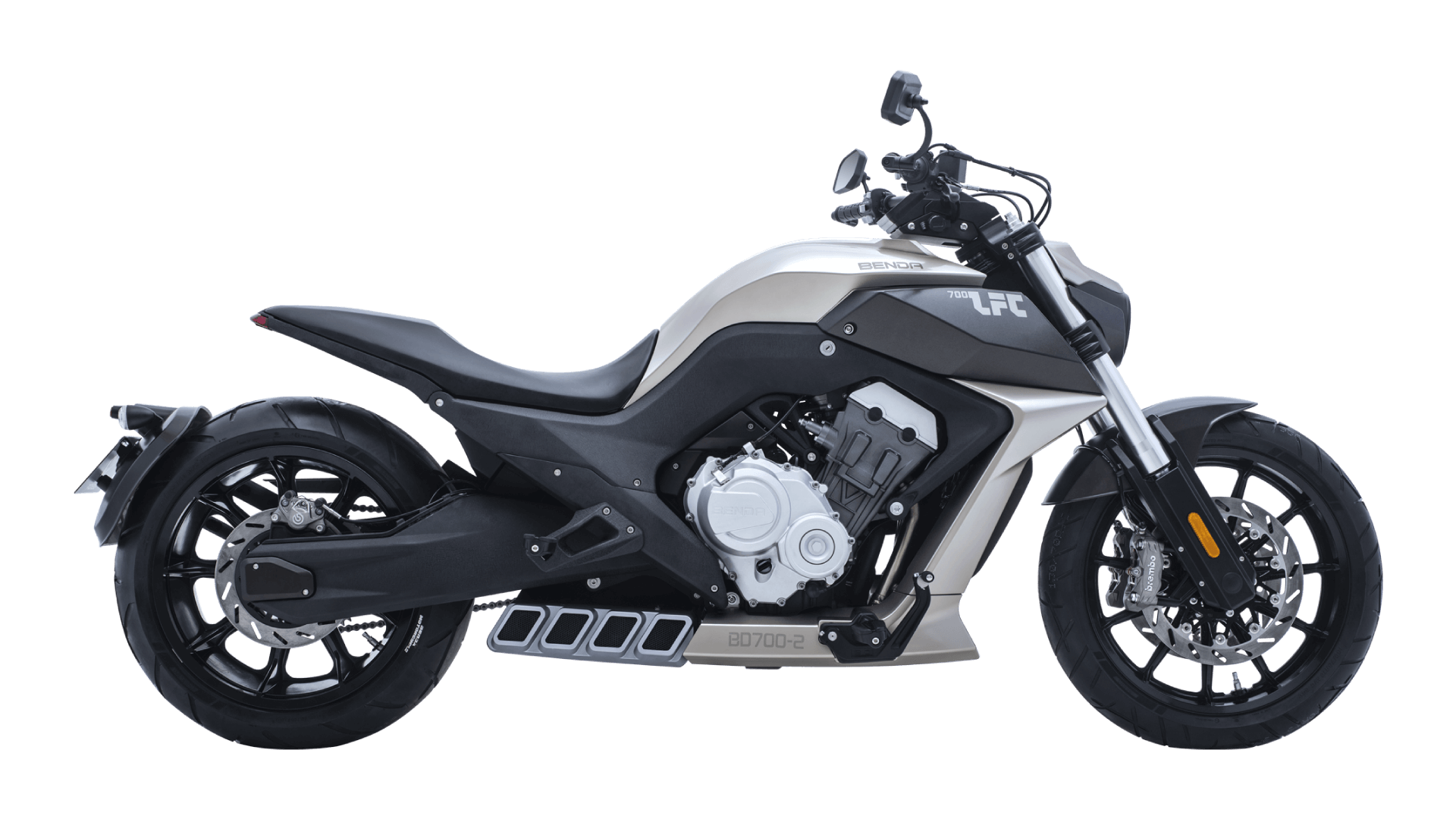
I speak as a sharer of craft, a friend of clarity. Consider turning radius, rake and trail, and how a modest wheelbase shapes your line (and your nerves). Consider the breath of the engine at low rpm, and how brakes with calm initial bite make the day feel lighter. Is this about speed? Not quite. It is about pacing, heat, posture, and the grace to glide between red lights without fray. Let us compare what sings—and what stumbles—and then move forward.
Part 2 — The Hidden Friction: Where City Bikes Quietly Win or Lose
What actually fails in the daily grind?
Technical, yes, but simple at heart. Traditional commuter setups often chase spec-sheet glory and miss the slow dance of traffic. A jumpy throttle-by-wire at 2,000–3,000 rpm makes small gaps feel risky. A peaky torque curve turns zebra crossings into trials. Dual-channel ABS that grabs too early in rain yields longer stopping, not shorter. Heat soak cooks legs at the lights, and then fatigue piles up. Look, it’s simpler than you think: small errors repeat all day in the city; small fixes save the day.
Hidden pain points also hide in geometry and gearing. A long wheelbase and steep rake are stable on fast roads but clumsy in alleys. A tall first gear and mismatched sprocket ratio punish slow roll-ons. Cable routing that fights the bars makes U-turns jerky, while NVH under 30 mph frays focus. Even the “smart bits” can misbehave: sensors that chatter, maps that surge, and ABS logic that treats a paint stripe like gravel. Compared side by side, the bike that feels boring on a highway can be the one that glides through markets and school zones with grace. That is the paradox of the city machine.

Part 3 — Comparative Insight Ahead: Principles That Make Tomorrow’s City Bike Kinder
What’s Next
Now, let us step forward—carefully, yet with a clear eye. The winning approach blends modest power with smart control. IMU-assisted balance that trims brake force mid-corner. Edge computing nodes that filter sensor noise before the ECU acts. Power converters that keep accessories steady at idle so lights never flicker in the rain. A calmer ride-by-wire map for the first 10 percent of twist, then a smooth ramp. Not dramatic, but deeply human. When you compare machines through this lens, the one that starts quieter ends the day stronger—funny how that works, right?
Case in point: pick the best motorcycle for city riding by tracing three threads across rivals. First, thermal civility at lights; second, control logic that forgives mid-corner bumps; third, gearing that lets 30–50 kph happen without a lurch. The CAN bus should speak cleanly to a modest IMU, and the ABS logic should be rain-aware rather than heroic. A slipper clutch and short wheelbase help, but so does simple cable sweep that never binds at full lock. We have not asked for fireworks. Only flow.
Advisory close, then: Three measures settle the choice. 1) Tight-turn proof: full-lock U-turn under 5.0 m, with bars that self-center, not fight. 2) Low-speed calm: throttle resolution that holds a 6–8 kph crawl without surging; check roll-on smoothness from 2,000 rpm. 3) Heat and hush: knee-level surface temp under 45°C after a five-minute idle, with NVH that does not buzz your hands numb. If a city bike meets these, you will feel it by lunchtime. And you will ride home lighter, not larger. Learn the rhythm; let the machine meet you in the middle. BENDA