Introduction — a small farm morning
I remember walking into a broiler house at dawn, the air soft with warmth and a faint hum from the fixtures. The broiler lighting was uneven — some birds crowded in bright spots while others pecked at shadows. Recent farm surveys show uneven light can cut uniformity and feed conversion by measurable amounts (we saw a 3–7% swing in one test), so I asked: how do we stop this from costing time and money?
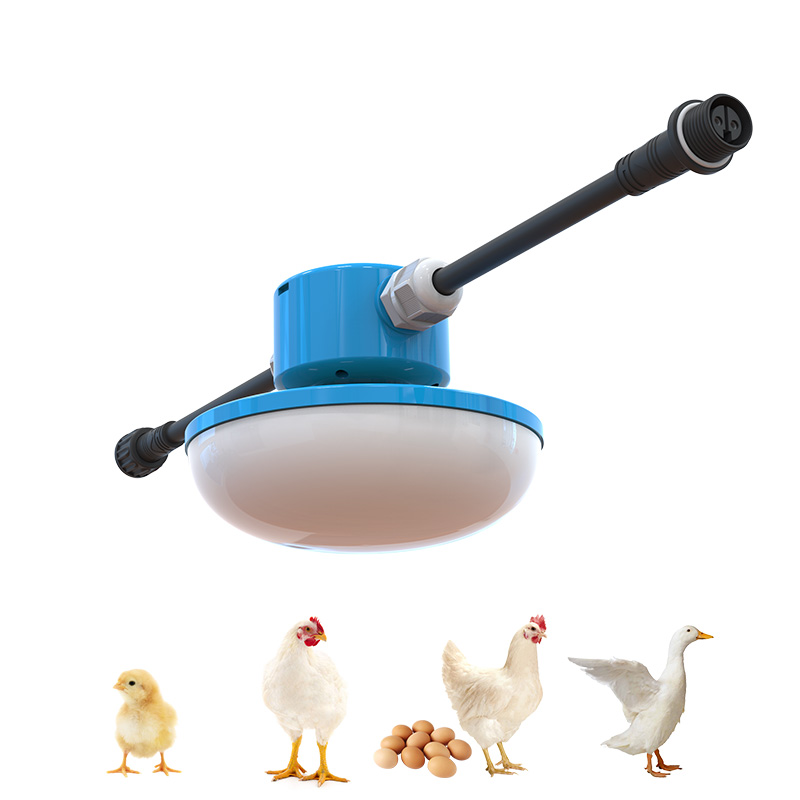
I write from experience — I’ve worked with farm teams and installers, and I’ve seen the same patterns again and again. We talk about lux levels, light spectrum, and LED driver behavior when we try to solve it. It feels simple on paper, pero en la práctica it gets messy fast — different bulbs, aging power converters, and mixed dimming protocols that don’t play nice together. This piece walks you through common problems I spot, then shows what new principles can actually fix. — Let’s move on and dig deeper.
Part 2 — Why conventional setups fail (and what they don’t tell you)
When I look at a broiler lighting system, the first thing I check is coherence: does each component match the farm’s needs? Often, the answer is no. Traditional solutions glue together mismatched fixtures, old fixtures with new controllers, or cheap timers that ignore bird behavior. The result: flicker, wrong photoperiod, and wasted energy. I call this design debt — and it shows up as poor uniformity, higher mortality risk, and extra labor counting light failures. Technical detail: mismatched dimming protocol and aged power converters create noise and flicker that birds notice more than we think. Look, it’s simpler than you think — fix the protocol and much falls into place.
What’s the root cause?
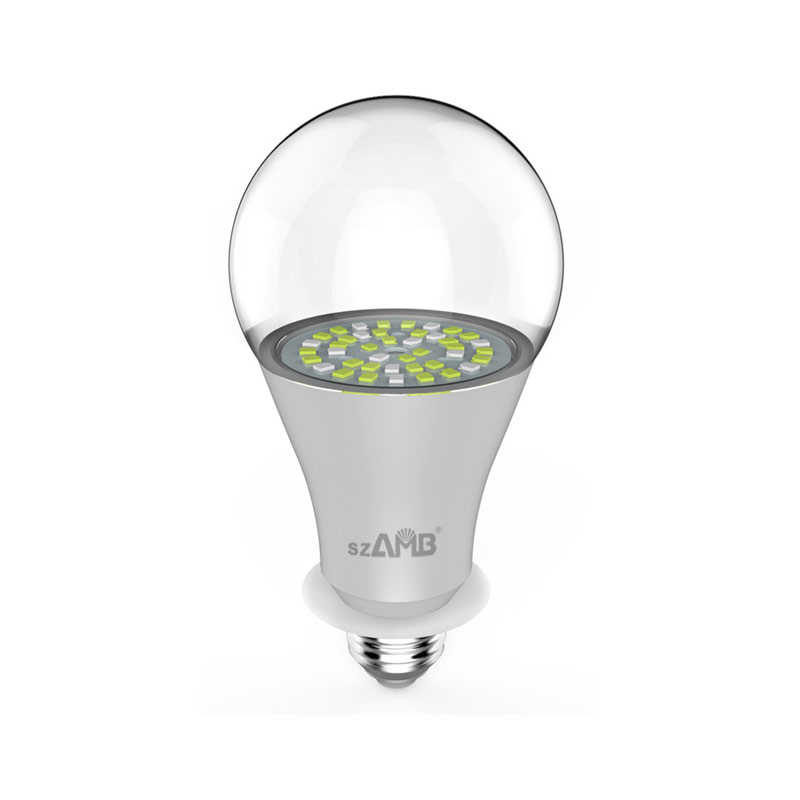
Here’s a plain list of the hidden pain points I find: inconsistent lux distribution across pens, controllers that lack diagnostic feedback, and maintenance cycles that ignore fixture degradation. In many farms the photoperiod is set once and never revisited. That’s a mistake. We need systems that report lumen output, track LED driver temperatures, and log dimming events. If you want healthier birds and predictable growth, you must expect to audit light performance, not just buy fixtures and hope. — This is a technical problem and a management one.
Part 3 — New principles and practical checks for future-ready lighting
What’s next? I see three new principles that change the conversation. First, measurable control: sensors and controllers that report lux and spectrum in real time. Second, harmonized components: ensure fixtures, LED drivers, and controllers follow the same dimming protocol and voltage ranges. Third, adaptive schedules: photoperiods that shift with bird age and behavior data. In practice, a modern broiler lighting system ties sensors to controllers and offers simple dashboards. You don’t need to be an engineer to use it — but you do need systems that speak the same language (edge computing nodes, PLC integration, IoT gateways). — funny how that works, right?
What to measure next
I recommend three key evaluation metrics when choosing or upgrading systems: 1) Delivered lux uniformity across the pen (measure in multiple spots), 2) Controller diagnostics — does it log driver temperature and dimming events?, and 3) Energy efficiency vs. lifecycle cost — not just upfront price. I’ll be blunt: I prefer solutions that give me data I can act on. If a controller hides errors or a supplier can’t produce a maintenance report, I walk away.
Summing up, I’ve seen farms jump from inconsistent flocks to stable results by fixing design debt, adopting measurable controls, and using harmonized components. These are practical steps — test them, tweak them, and you’ll get steadier performance. For trustworthy gear and further help, check szAMB: szAMB.