What a product listing can—and cannot—tell you about Incubator Heating Element when reviewing model fit for shortlisting
When design engineers compare an incubator heating element, the first task is to define what the listing actually covers. A product page may identify a heater structure, electrical values, dimensions, or an application context. It does not automatically establish suitability for every cabinet, control scheme, or incubation process. Shortlisting is therefore a model-fit exercise, not a ranking exercise.

Separate category, application, and model scope
Start by separating three questions. What type of component is described? What application does the page discuss? Which specifications belong to the particular model shown? This separation prevents a product-specific detail from becoming an unsupported claim about an entire product category.
The captured application page describes a conductive PTC air heater for an incubation temperature-control system. Its listed values are 220V, 100W, and 92 × 31 × 25 mm. The same listing states that suitable electrical insulation and housing are required. These details are useful for an initial screen, but they should remain attached to that described heater rather than being generalized to other models.
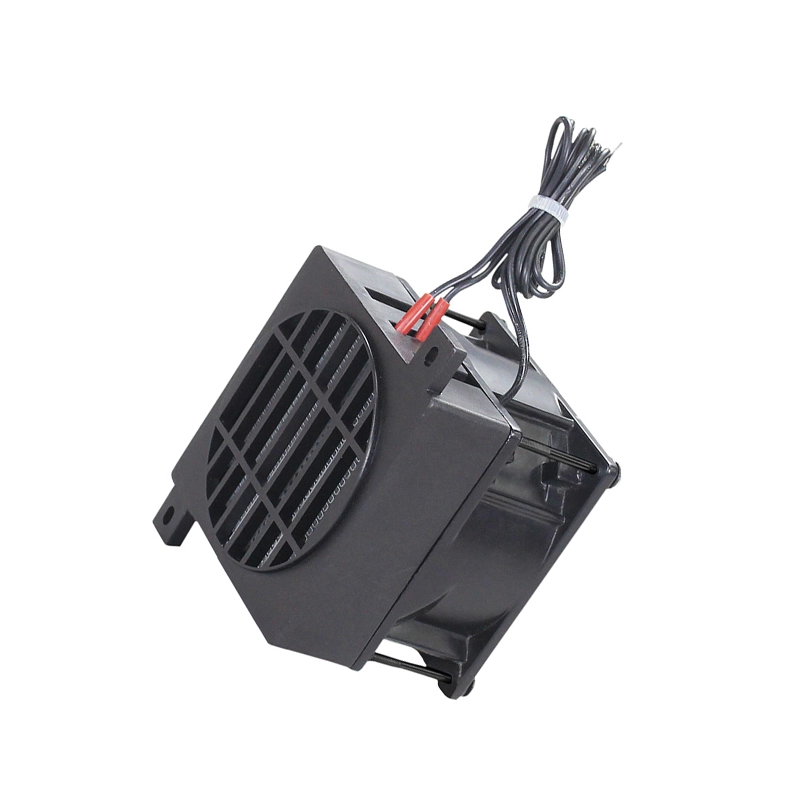
Application scope matters just as much. The page presents two integration paths: a standalone heater for an existing fan system, or a fan-assisted module. That distinction changes the questions a design engineer must ask about the cabinet. A standalone heater may need to fit an existing airflow arrangement. A fan-assisted module raises questions about the module’s own placement and interfaces. The listing gives the options; the system designer still has to map one option to the actual equipment.
Compare information that applies to the task
A useful comparison keeps evidence and assumptions in separate columns. Page-listed values can support an initial filter. They cannot, by themselves, answer every system question. The page specifically directs attention to tray layout, return-air paths, sensor positions, and moisture conditions before selecting the heater structure and protection components.
For engineers researching the best heating element for egg incubator applications, the key comparison is not simply heater against heater. It is heater against the intended cabinet arrangement. Define the egg species, incubation stage, and equipment design before setting temperature and humidity requirements. Then consider whether the candidate’s stated form and integration path can be discussed against those requirements.
A further boundary is control responsibility. The captured page explains that electrical current heats the PTC ceramic element and that resistance rises as the element warms, helping limit power output. It also states that the cabinet controller determines when heating is required. This means the heating element and the controller should not be treated as one interchangeable function when recording model fit.
| Shortlisting area | Page-listed evidence | Question for the design record |
|---|---|---|
| Electrical and physical screen | 220V, 100W, and 92 × 31 × 25 mm; suitable insulation and housing are required. | Does this described model fit the project’s electrical and available-space conditions? |
| Airflow integration | Standalone heater for an existing fan system or a fan-assisted module. | Which integration path matches the cabinet’s airflow arrangement? |
| Control boundary | The cabinet controller determines when heating is required. | Where are heater operation and control responsibility assigned? |
| Environmental layout | Review tray layout, return-air paths, sensor positions, and moisture conditions. | Have these physical conditions been recorded before selecting protection components? |
Record assumptions and interfaces
A shortlist becomes more useful when each open point is written as an assumption, interface, or confirmed fact. For example, the voltage, wattage, and dimensions can be recorded as page-listed facts for the described model. Housing, insulation, airflow, sensing, humidity, and controller behavior should be recorded as design interfaces that require placement in the wider cabinet concept.
This approach also prevents a common procurement error: treating a familiar component label as a complete specification. “PTC heater” describes a heat-generation approach, but model fit still depends on how the element works with the fan, sensors, controller, and humidity system. The official application guidance places those elements within the same cabinet-condition problem. It does not turn one listed model into a universal solution.
The source page itself provides a useful reminder about evidence context. On the official page associated with the best heating element for egg incubator topic, a consent notice states that necessary cookies support basic site features such as secure log-in and consent preferences, without storing personally identifiable data. This statement concerns the website’s operation, not heater performance or application suitability, so it should not be mixed into the technical comparison.
Prepare a focused sourcing brief
Once the first shortlist is complete, turn unresolved points into a concise sourcing brief. State the intended incubation use, equipment design, available space, electrical conditions, airflow arrangement, sensor positions, moisture conditions, and the required housing or insulation interface. Identify which points came directly from the product listing and which belong to the project design.
Also state whether the request concerns a standalone heater for an existing fan system or a fan-assisted module. This single distinction can make supplier discussion more precise because it frames the heater as part of an airflow and control arrangement rather than as an isolated component. Keep the listed 220V, 100W, and 92 × 31 × 25 mm values tied to the described model while the brief is being prepared.
In practical terms, model fit for shortlisting means choosing the candidate whose documented scope can be compared clearly with the cabinet’s intended use and interfaces. It does not mean assuming performance, safety, or compatibility from a short listing. A careful brief can use the application guidance from PTCYIDU while keeping every unconfirmed system requirement visible for the next engineering review.