Introduction — a workshop moment, some numbers, and a question
I remember the first time a batch of turned shafts came back with chatter marks: I felt the shop go quiet. The air smelled of coolant and hot metal, and the feel of the cut told a story before the gauge did. CNC turret lathe systems were humming across the floor, but one machine lagged behind in rhythm. Recent shop logs I keep show scrap rising by 7–12% when feed rates drift or when spindle tuning slips (tiny shifts that add up). So how do we stop a good machine from slowly losing its edge?
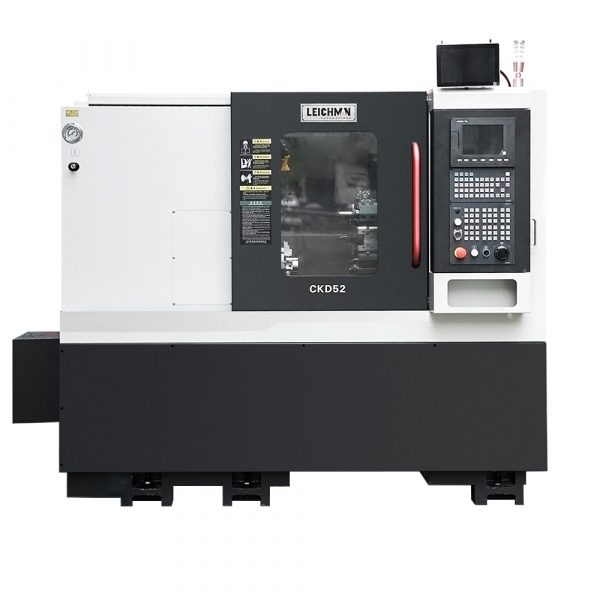
I’ve worked on many benches and read more error codes than I like to admit. I’ll walk you through what I’ve seen and what I’ve done, using simple terms and hands-on checks. You’ll hear about spindle life, turret indexing, and a few control quirks—things you can sense before a gauge blinks red. Let’s move from that quiet moment to practical fixes and honest choices. Next, we’ll dig into the older fixes that still trip people up and why they fail. — funny how that works, right?
Where traditional fixes fall short: the mini lathe turret truth
I want to be direct here. The common quick fixes for wear and inconsistency—tighten the turret, bump the feed, add coolant—often hide the real issue. Take the mini lathe turret in a small shop: it’s compact, reliable, but also sensitive to small errors in G-code, turret indexing, or spindle balance. Shops will patch problems with software offsets or higher spindle RPMs. That masks the pain. In practice, the turret’s indexing wear and slight misalignment cause poor surface finish more than a bad cutter. I’ve seen operators chase the wrong symptoms. Look, it’s simpler than you think: diagnose the mechanical path first—turret, spindle bearings, live tooling connection—then tune the control parameters.
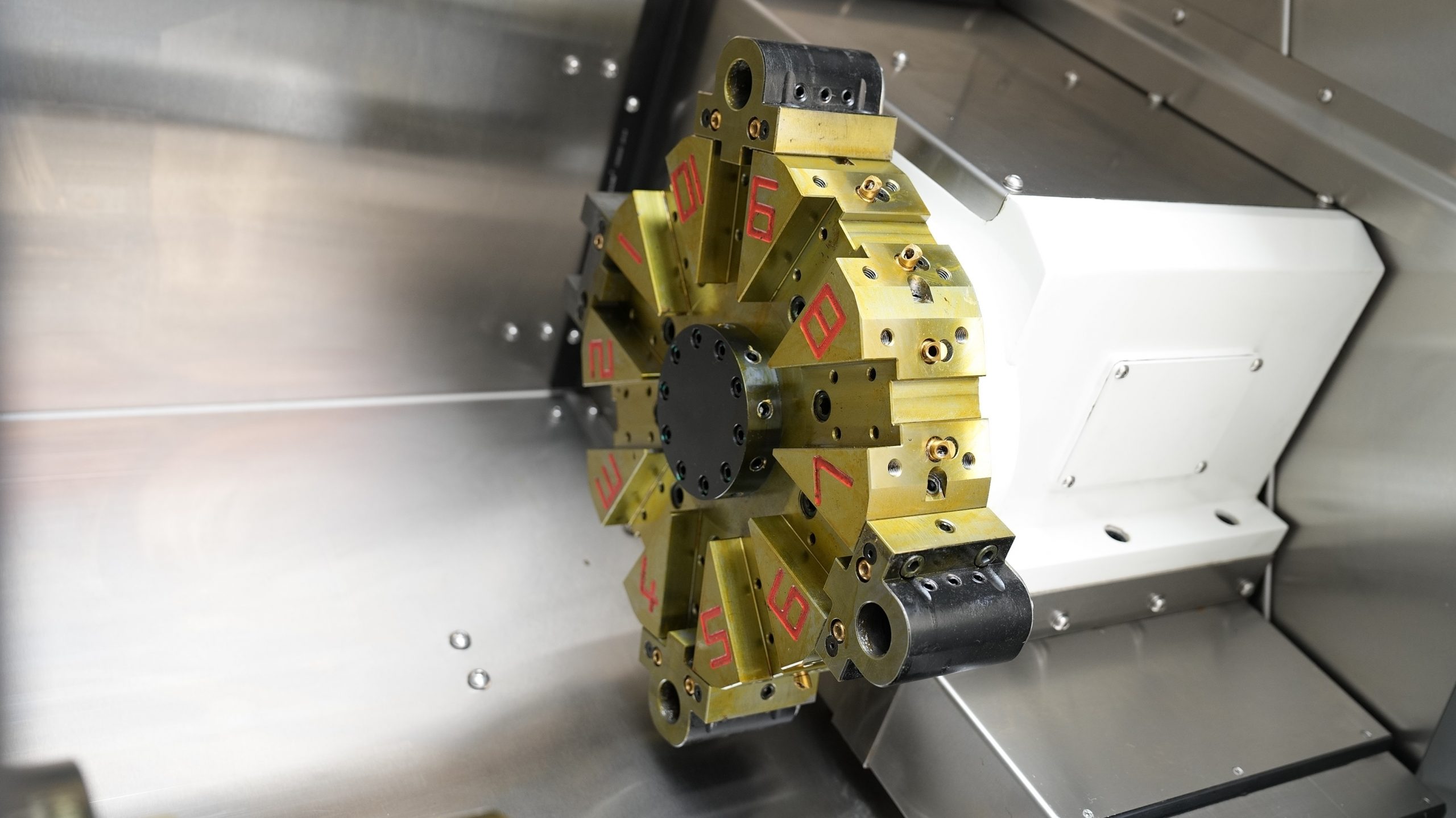
Why does this happen? Bearings wear slowly. Servo motor backlash grows in tiny steps. G-code commands stay the same while the machine changes. Those tiny changes shift tool path accuracy and surface finish. We fix the immediate defect and call it a day. But I prefer to trace the signal from the controller to the cutting edge. That means measuring runout, checking turret clamp force, and validating tool offsets under load. It’s less glamorous than a software patch, but it works. We don’t ignore the controller—far from it—we just don’t let it take the blame alone.
So what should you check first?
Runout, clamp torque, toolholder fit. Then re-run a short test program at production feed. If the finish still lags, revisit spindle balance and turret indexing. Small steps. Big gains.
Looking ahead: new principles for steadier CNC turret lathe machines
We need to think in principles, not hacks. Modern shops can use better sensor feedback and smarter maintenance plans to keep a cnc turret lathe machine behaving like new. I’m talking about condition monitoring tied to simple thresholds, spindle vibration checks, and routine turret preload measurements. When you combine vibration data with cycle logs, you can predict a downturn before it affects quality. This isn’t some distant factory of the future. You can start with a low-cost accelerometer and a disciplined checklist. Start small. Scale up.
Principles to adopt: measure what matters, trend data over time, and intervene early. For example, a steady rise in vibration at a specific RPM often points to bearing wear; a sudden step change in tool position hints at a slipping index or a worn pocket. We once caught a loose turret bolt because the tool offset drift showed a step at the same time vibration spiked—funny how that works, right? The payoff is fewer scrap parts and less frantic late-shift troubleshooting.
What’s Next — how to pick the right approach
Here are three key metrics I use when evaluating upgrades or maintenance plans: 1) Vibration trend rate (mm/s per week), 2) Tool offset drift (microns per 1000 cycles), and 3) Mean time between corrective actions (hours). I weigh them against cost and uptime goals. If vibration rises fast, invest in spindle rebalance or bearing replacement. If offsets creep, tighten toolholding standards and re-check turret clamp. If corrective actions are frequent, redesign the maintenance window. I’m pragmatic: choose the metric that clears your biggest bottleneck first.
To wrap up, I’ll say this plainly: machines don’t fail in dramatic ways. They fail quietly, one small shift at a time. We can catch those shifts with simple checks, better metrics, and a willingness to dig under the skin of “it worked yesterday.” I believe in hands-on verification, sensible sensors, and straightforward metrics. That’s how you keep a CNC turret lathe steady over months and years. For tools, support, or a closer look at practical upgrades, check the work coming out of Leichman. We’ll get your shop sounding right again.