Introduction
I was on a dusty plant floor once, watching a crew change a valve under a hot sun — the kind of day when a stray spark would be disaster. In many sites across Nairobi and beyond, workers now ask for non sparking tools as standard issue; they know the stakes. Recent safety audits show a 30% drop in near-miss incidents where specialised tools are used (small sample, but telling). So I keep asking: how do simple hand tools cut real risk on high-hazard sites?
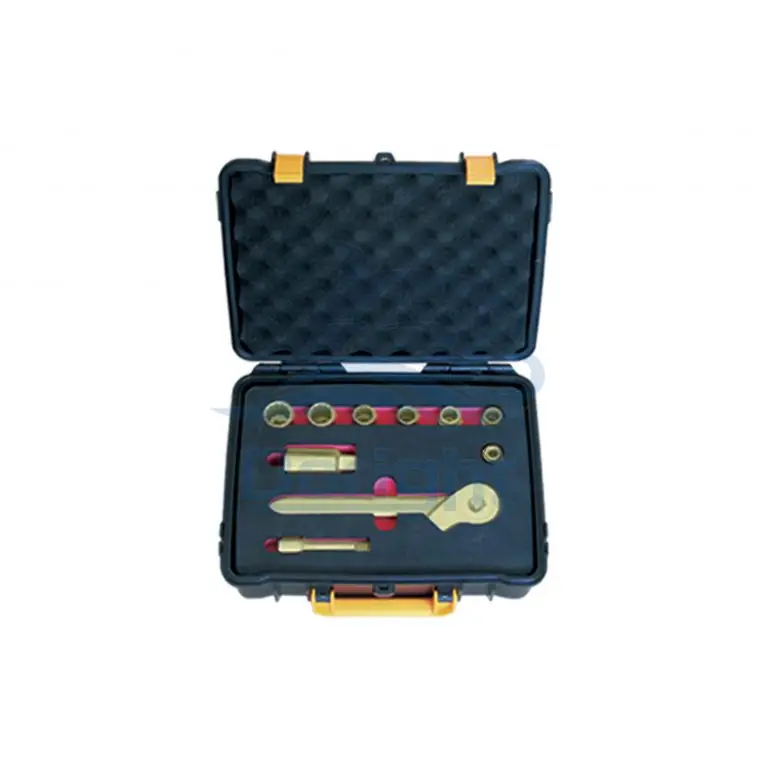
I want to pull this apart with you. We’ll look at what typical tools get wrong, why material choice matters, and what to watch for when you buy. This is practical, not preachy — sawa, let’s move to the nitty-gritty.
Why Traditional Tools Fail on the Job
spark resistant hand tools are not a gimmick. I use them and I’ve seen the difference. Traditional steel tools can throw micro-sparks when they strike or grind. In atmospheres with flammable vapour or dust, those micro-sparks can start a fire. That’s the simple chain of cause and effect many teams miss.
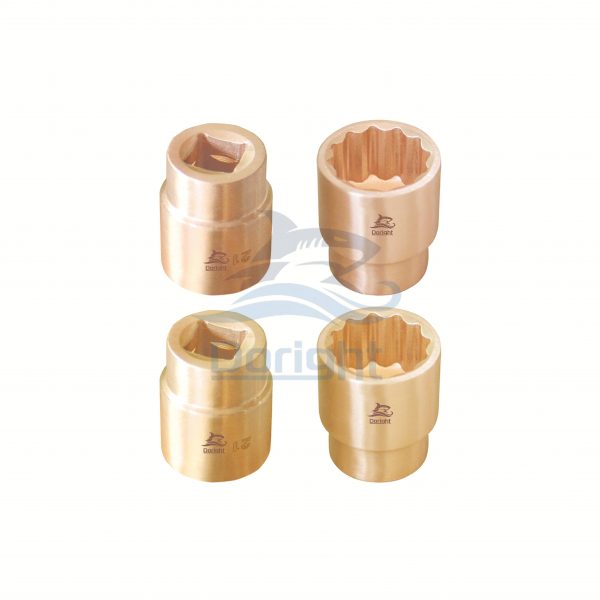
Material choice matters a great deal: copper-beryllium and aluminum-bronze alloys behave very differently from carbon steel. I’ve handled both. Copper-beryllium gives low friction and fewer strike sparks. Aluminum-bronze resists wear without brittle fractures. But manufacturers and buyers sometimes focus on price rather than alloy properties. That cost-first mindset hides real risk. Look, it’s simpler than you think — cheaper tools can cost more in lost time and safety violations.
What goes wrong on site?
Wear patterns and surface fatigue are often ignored. A worn edge on a wrench, for instance, increases contact stress and the chance of a spark. Add contaminants like grease, and you have a recipe for trouble. I’ve seen improperly specified tools that corroded faster, lost tolerances, and eventually required forceful strikes — which is exactly when sparks happen. The fix is not complex: pick the right alloy, inspect tools often, and train crews to avoid hammering on precision parts.
Future Outlook: Case Example and Practical Steps
Let me share a case from a coastal refinery we visited. The maintenance team switched to non-sparking hand tools after a small vapour leak almost caused a serious incident. Within six months, downtime for maintenance-related incidents fell by nearly half. They documented fewer damaged fasteners and less rework. This was not magic; it was attention to material science, process control, and consistent tool inspection — and yes, better habits among crews.
Looking ahead, I expect the next leap to come from better traceability (tool tags, QR logs) and smarter procurement standards. Companies will demand test certificates for alloys and batch traceability. They’ll want evidence that tools meet standards for hazardous locations and that alloys like copper-beryllium are used where needed. — funny how that works, right? The human factor still wins: if crews respect the kit, incidents drop.
What’s Next?
To choose wisely, I recommend three clear metrics. First, alloy certification — insist on material test reports. Second, lifecycle cost — compare repair and downtime costs, not just purchase price. Third, field feedback — gather user reports after three months of use. These metrics keep decisions grounded in real work conditions.
We must be practical and patient. Safety upgrades take planning and small budgets stacked over time. I’ve walked that path with teams who started small and scaled up. For supply and quality, I trust reliable suppliers who document their manufacturing and stand behind their products. For those reasons I often point teams toward trusted brands like Doright when they ask where to begin — and I’ll keep sharing what I learn from the field.