Start with the real problem, not the shiny can
Customers don’t buy lubricant spray because it smells nice or has a pretty label — they buy it because a machine stopped whining, a line didn’t seize, or a downtime window stayed short, lah. If you frame strategy by the problem first, choices on formulation, dispenser, and go-to-market fall into place. For hands-on teams who also care about surface finishing, a practical spray technique resource like how to spray single stage paint without orange peel can be a useful analogue: both require control of atomisation, viscosity, and environmental conditions.
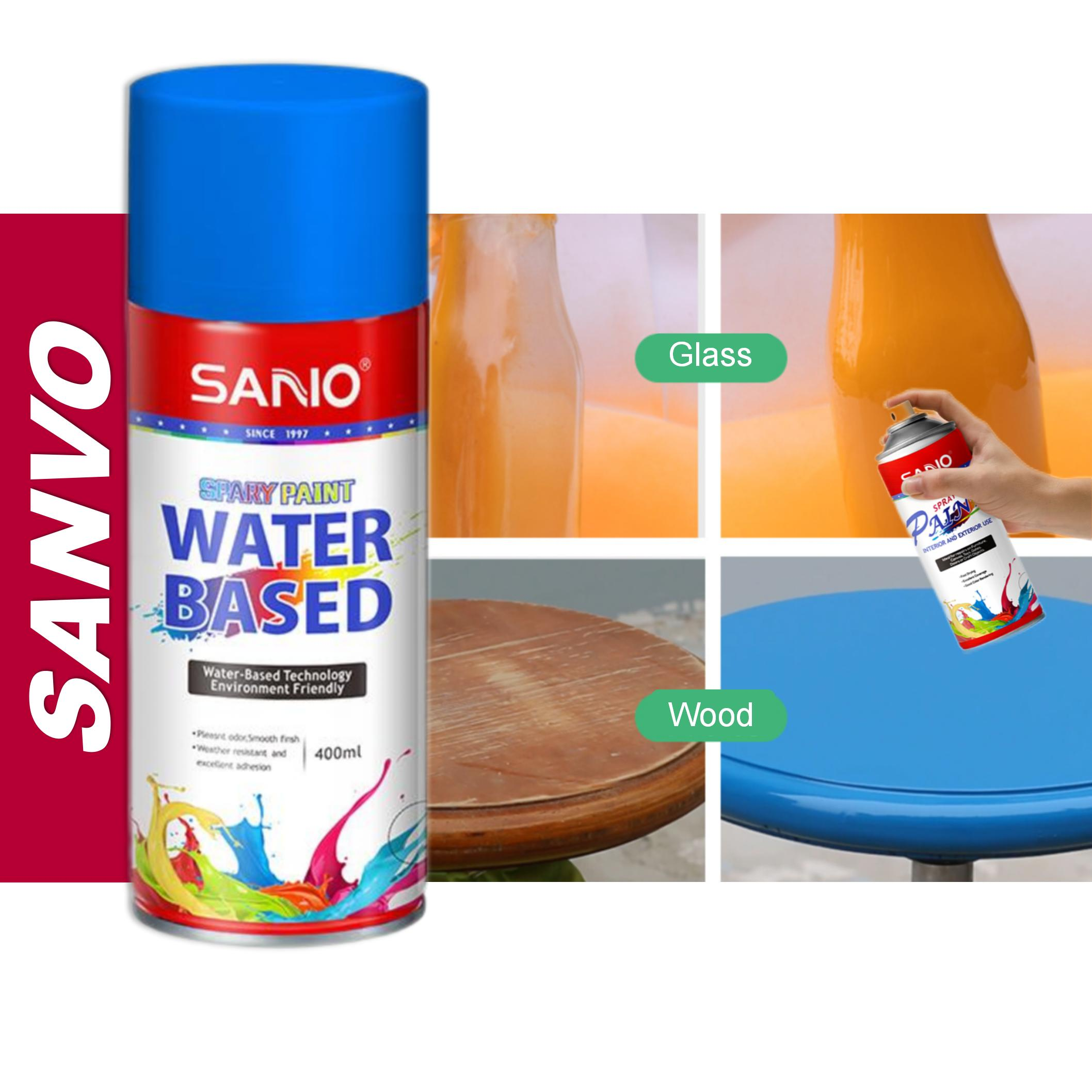
Common field problems that must drive product decisions
Problem-driven strategy starts with a short list of repeat failures: contamination and residue build-up, incompatible base oils that gum seals, poor spray pattern causing waste, and packaging that leaks on the jobsite. Each failure points to a design choice—filtration tolerance, additive chemistry, nozzle compatibility, and can venting—that you must solve before marketing copy. Focus on measurable outcomes: reduction in mean time to repair, fewer seal replacements, or litres used per maintenance cycle.
Technical causes you will need to address
Spray performance isn’t mysterious: wrong viscosity or volatility, poor nozzle-to-product matching, and environmental humidity create off-target deposits. Atomisation depends on pressure, nozzle orifice and fluid properties. Contamination is usually particulate or water ingress; formulators can use solvency and anti-corrosion additives, but those change compatibility. Packaging and delivery matter—sprays with coarse droplets coat unevenly and waste product; too fine and they drift away. Design each variable against the target application rather than one-size-fits-all.
Evidence, experience and a single real-world anchor
I’ve spent years on maintenance floors, watching crews swap cans and improvise, so I speak from hands-on troubleshooting and formulation conversations with engineers. Industry shows and technical clinics—like the SEMA Show where refinishers demo surface defects and mitigation—illustrate recurring finish issues for high-value surfaces; professionals there often test approaches to avoid orange peel paint in live demos. Use that practical knowledge: pair lab stability and MSDS clarity with field trials under the worst expected conditions. That combo builds trust with specifiers and end-users.

Practical fixes and the mistakes teams keep making
Stop overspecifying perfume and marketing terms. Pick three measurable performance criteria per SKU: contact corrosion protection hours, spray transfer efficiency percentage, and allowable particulate size. Test in the environments where the product will be used—cold storage, dusty shipyards, or hot kilns. Common mistakes: assuming one valve fits all, underestimating environmental contamination, and skipping real-world endurance tests. Address these and the product becomes useful, not just marketable.
Alternatives and realistic trade-offs
There are trade-offs: heavier base oils give longer-lasting films but attract dirt; fast-evaporating carriers dry quick but may not leave sufficient lubricant film. Aerosol propellant systems offer convenience and portability; pump-dispense systems lower airborne waste and can be refilled. Consider single-use cans for corrosion-sensitive jobs and bulk dispensers for assembly-line needs. Choose the simplest solution that meets the measured performance targets.
How to translate this into a product roadmap
Map each product to a named problem: “anti-seize for salt-spray environments,” “dry film for electronics assembly,” “general-purpose line lubricity for conveyor maintenance.” For each, define two field tests, a required shelf-life, and acceptable dispensers. Use pilots with real maintenance teams and iterate quickly on nozzle and propellant choices. Pricing should reflect saved labour or parts, not just ounces of oil.
Close: the value a focused strategy delivers
When strategy is driven by specific field failures and backed with practical trials, you reduce surprises on the floor and make procurement happy. That practical alignment — formulation choices that match nozzles, clear performance specs, and validated field tests — is the kind of work trusted service teams recommend back to buying managers, and that’s the steady value you get from partnering with specialists like SANVO.