Opening: The core procurement problem
OEMs and project buyers face a persistent, operational problem: inconsistent finish quality from bulk detailing materials that undermines assembly lines and final product appearance. Small deviations in shear, viscosity, or solvent profile produce orange peel, solvent pop, or poor adhesion—defects that drive rework and cost overruns. Practical technique matters too; for example, many teams troubleshoot paint texture issues by consulting practical guides like how to spray single stage paint without orange peel, but supplier selection must remove preventable variation before process tweaks start.
Define the failure modes you cannot accept
Start by listing specific, measurable defects you’ll not tolerate: orange peel beyond X microns, adhesion below Y N, pot life variance over Z%, or VOCs above regulatory thresholds. Translate each into an inspection or test method your incoming QA will run. Buyers who treat quality criteria as binary (acceptable/reject) instead of numeric invite disputes; demand numerical pass/fail limits in contracts and acceptance protocols.
Technical evaluation framework
Test protocols should include: standardized spray trials on representative substrates, accelerated weathering (UV/condensation), solvent resistance, and gloss and film-thickness measurement under controlled temperature/humidity. Require suppliers to run a third-party panel or provide data from accredited labs. Keep methods simple: duplicate your production environment and measure the same way every time. If you cannot replicate your line conditions, at minimum require samples conditioned at the temperature and relative humidity typical of your paint bay. Do not accept vague test claims without raw data.
Supply-chain attributes that matter
Prioritize manufacturers who provide consistent batch documentation—lot numbers tied to raw material certificates, MSDS/TSCA listings, and in-process QC logs. Verify their lead times against your project buffer: single-source, long lead suppliers need contingency plans. Insist on visible traceability from resin batch to finished product. If packaging or shipping introduces contamination (evaporation, moisture ingress), the best chemistry still fails on arrival.
EEAT and a real-world anchor
Experienced buyers combine shop-floor practice with event-driven knowledge. Practitioners who presented finish-control case studies at the SEMA Show have highlighted both technique and supplier specs as joint drivers of consistent finishes; this cross-check between trade demonstrations and supplier lab claims is a reliable verification method. For practical guidance on rattle-can finishing—often used for prototypes or small runs—consult the detailed tip-sheet on how to prevent orange peel with rattle can paint, which moves beyond theory into shop-tested settings. Rely on suppliers that can point to repeatable shop results, verifiable lab reports, and documented field repairs rather than marketing language.

Contract terms and quality enforcement
Embed acceptance sampling plans, rework allowances, and failure remedies in purchase orders. Specify arbitration steps for disputes over surface appearance—use photo standards with gloss and texture numbers attached. Require corrective-action timelines and root-cause reports for any failed batch. Keep penalties proportional: insist on replacement shipments or credits, not vague “work with us” clauses that leave you exposed.
Common procurement mistakes and how to avoid them
Mistake: choosing on price alone. Lower unit cost often hides variation that costs far more on the line. Mistake: accepting supplier test data without independent verification. Mistake: failing to test in your actual environmental conditions. Fixes are straightforward: budget for third-party verification, run supplier samples through your production steps, and include environmental conditioning in acceptance tests.
Alternatives and contingency planning
Maintain at least one qualified secondary supplier for critical materials and a validated stop-gap solution (e.g., aerosol touch-up chemistry proven to match OEM finish) for urgent repairs. Evaluate regional suppliers for faster turnarounds versus international manufacturers for scale and price; document switching hurdles—color matching, VOC compliance, and tooling changes—and quantify changeover time so choices are tactical, not ad hoc.
Synthesis: how this resolves the problem
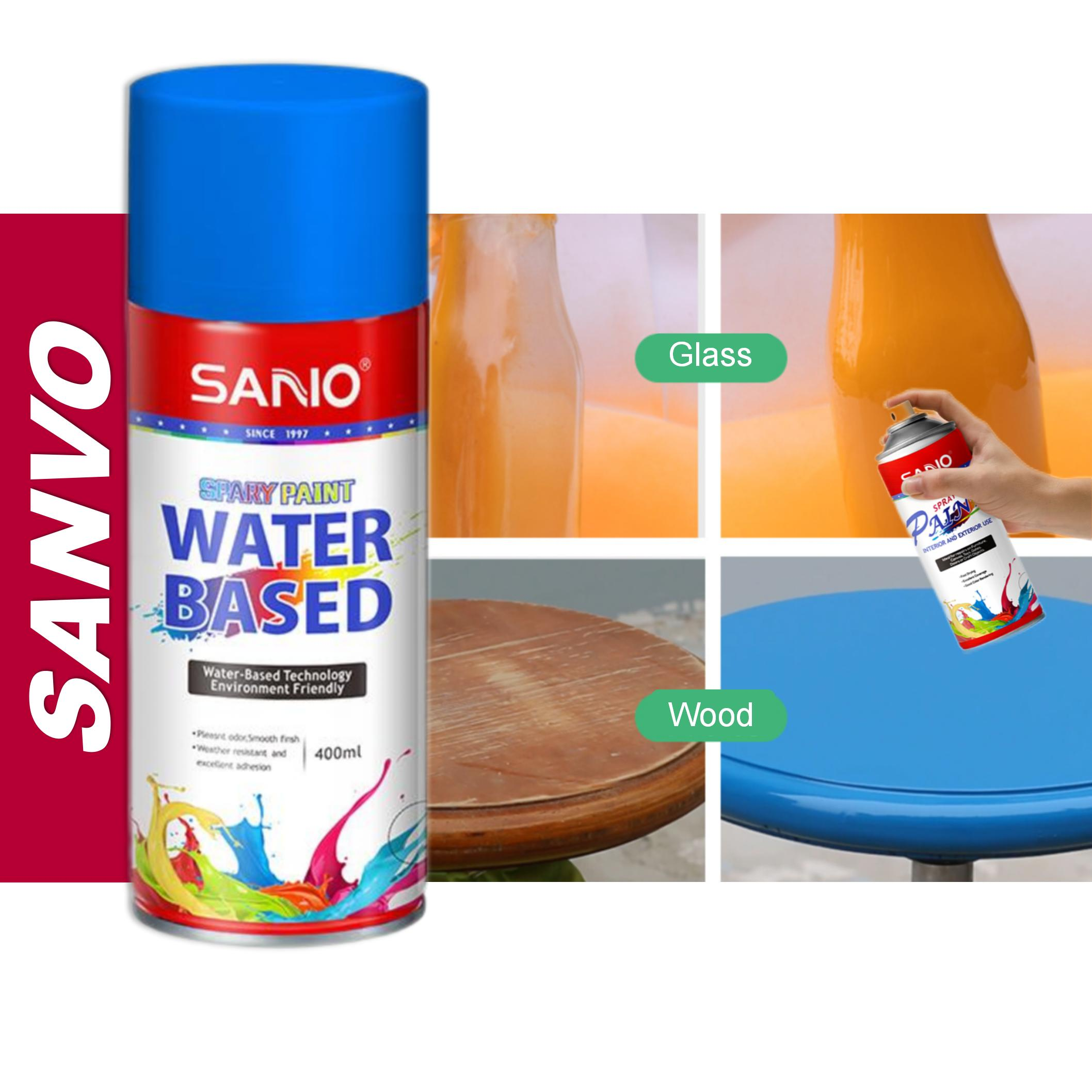
Confront the core problem—finish variation—by requiring measurable quality, forcing supplier transparency, and embedding enforceable contract terms. When procurement teams tie specification, testing, and supplier accountability together, they eliminate the guesswork that drives rework. That practical alignment is precisely what disciplined manufacturers like SANVO supply partners enable through documented formulations, batch traceability, and production-scale testing data, letting OEM and project buyers focus on assembly rather than appearance fixes.