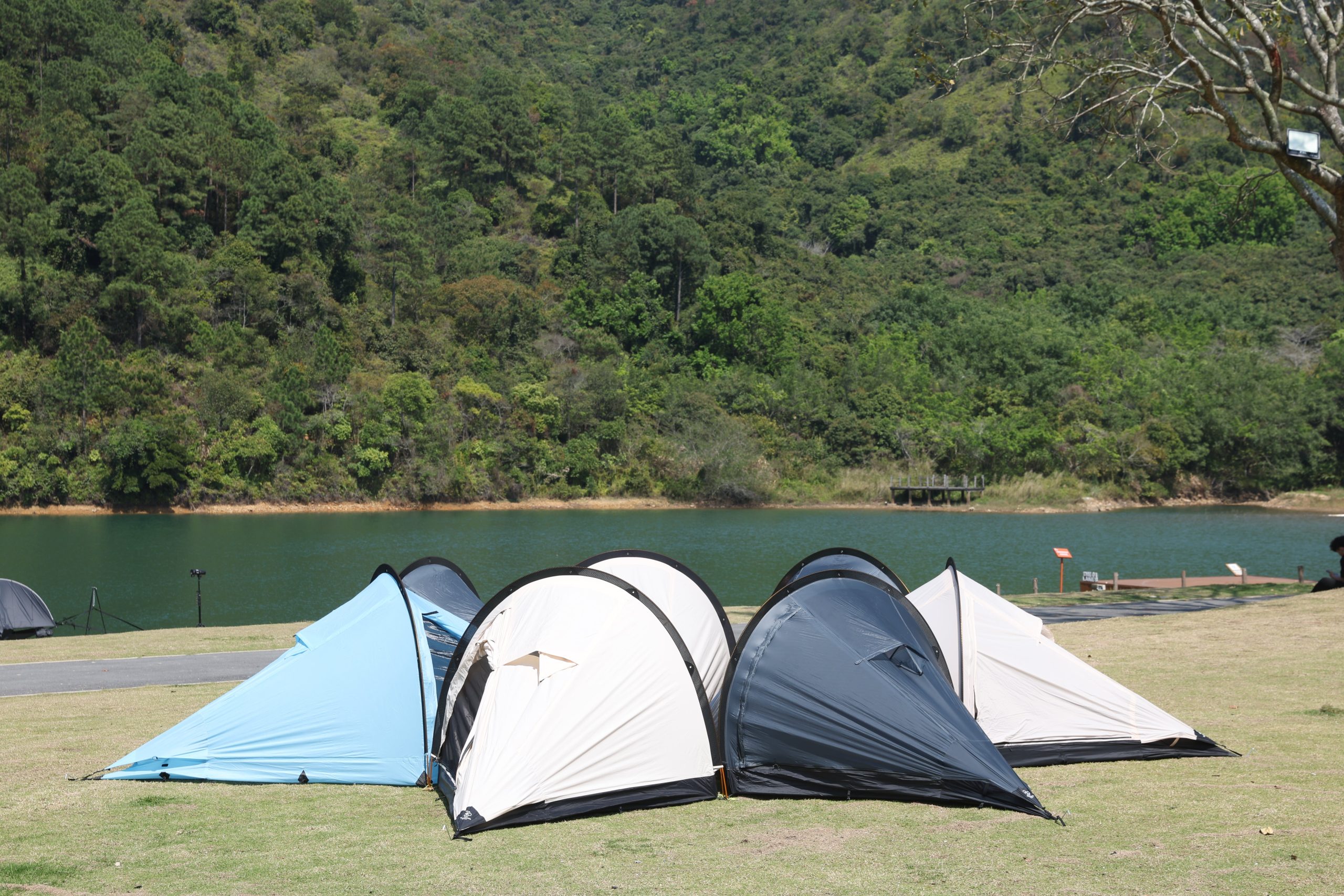
Opening: A question shaped by two silhouettes
Night falls against metal and canvas; choices appear as shapes beside the road. Between a car rear tent and a car tail tent lies a simple calculus of light, space, and intent — the sort of decision that turns a good trip into a calm one. For gear-curious travelers who like slender solutions, a camping tent bundle can be the precise, minimal answer to gear clutter before you decide which vehicle attachment will carry the load.

What they are, in plain lines
A car rear tent attaches to the rear bumper or hatch and often extends downward to create a sheltered annex that feels like an extra room. A car tail tent fixes around the tailgate or open trunk, folding into the vehicle’s silhouette to create a quick shelter and sleeping space. One leans into expanded living; the other bends toward compact sleeping and fast setup. Both aim to anchor you to the vehicle, but their temperaments differ: room versus restraint.
Comparative insight: weather, setup, and daily use
Weather performance: rear tents tend to offer deeper eaves and better wind buffering because they extend outward; tail tents sit closer to the car and can be quicker to shelter from a passing shower. Setup: tail tents are faster to deploy when you need sleep immediately; rear tents require a moment of arrangement but reward you with usable floor space. Daily use: if you plan cooking, storage, or lounging, the rear tent’s volume matters. If you only need a dry bed and a fast exit, the tail tent’s economy wins.

Vehicle fit and human fit: what matches what
Consider the vehicle’s rear geometry. Sedans and lifted SUVs differ by inches; tail tents favor hatchbacks and trucks with accessible tailgates, while rear tents adapt to more varied rear profiles. For people, think posture and habit: do you like to sit and read by a vestibule, or do you dive into sleep and rise at dawn? The tent should echo your motion, not force you into new rituals.
Common mistakes campers make
Underestimating ventilation: a tightly sealed attachment can trap condensation. Overlooking anchor points: winds find the seam where car meets tent. Ignoring access: a poorly oriented tent makes midnight bathroom runs clumsy. Choose the attachment that aligns with routine, then check vents, add guylines, and leave a clear path to the rear door.
Alternatives and small trade-offs
If neither style fits perfectly, consider a freestanding awning that clips to the roof rails or a ground tent with a short vestibule connected by a tunnel. These alternatives sacrifice the immediate parking-bed convenience for independence from vehicle shape. Trade-offs are not failures; they are choices about which friction you tolerate: setup time, gear weight, or the intimacy of sleeping tied to your car.
Real-world anchor: field truth from high country testing
After nights of bivvying near granite bowls in the Sierra Nevada, I learned how a shelter behaves when storms come from nowhere; a reliable core piece is the simple lightweight waterproof tent that resists wind and sheds water without demanding a small engineering degree. Those mountains teach brevity: if your shelter fails to keep rain from pooling at seams or your vehicle becomes a rain funnel, you’ll notice immediately and remember which design choices mattered.
How to choose, step by step
List your typical trip: overnight jaunts, multi-night car camping, or mixed road trips. Measure your vehicle’s rear opening. Prioritize: speed of setup, enclosed living space, or compact storage. Inspect attachment systems for robust zippers and overlap so rain can’t thread the seam. If weight matters, check material specs and seam tape details. Most importantly, imagine a single night: where will you cook, sleep, and stow wet gear? The right tent answers those questions before you buy.
Final thought: a quiet synthesis
Choice between a rear and a tail tent is not a debate of better or worse but of fit — which shape matches your movement, your car, and the weather you expect. When practicality meets a refined design, the result is a campsite that feels inevitable rather than forced, like a borrowed language you already speak. For many travelers that balance comes together in modest, well-executed gear from THECATAL, where small details turn a parking spot into a place to rest without drama.