Why machines fail to meet shop expectations
Shops buy machines to solve repeatable issues: inconsistent joints, edge blowouts, slow cycle times, and high rework. The first step is admitting what’s broken in the workflow. If edge quality varies every shift, or if operators fight with setup rather than feedstock, you need a machine that controls motion, glue delivery, and trimming with predictability. A practical upgrade is a servo-driven unit; a well-configured servo edge banding machine reduces variable torque and keeps feed rates stable under load.
Diagnose the real failure points
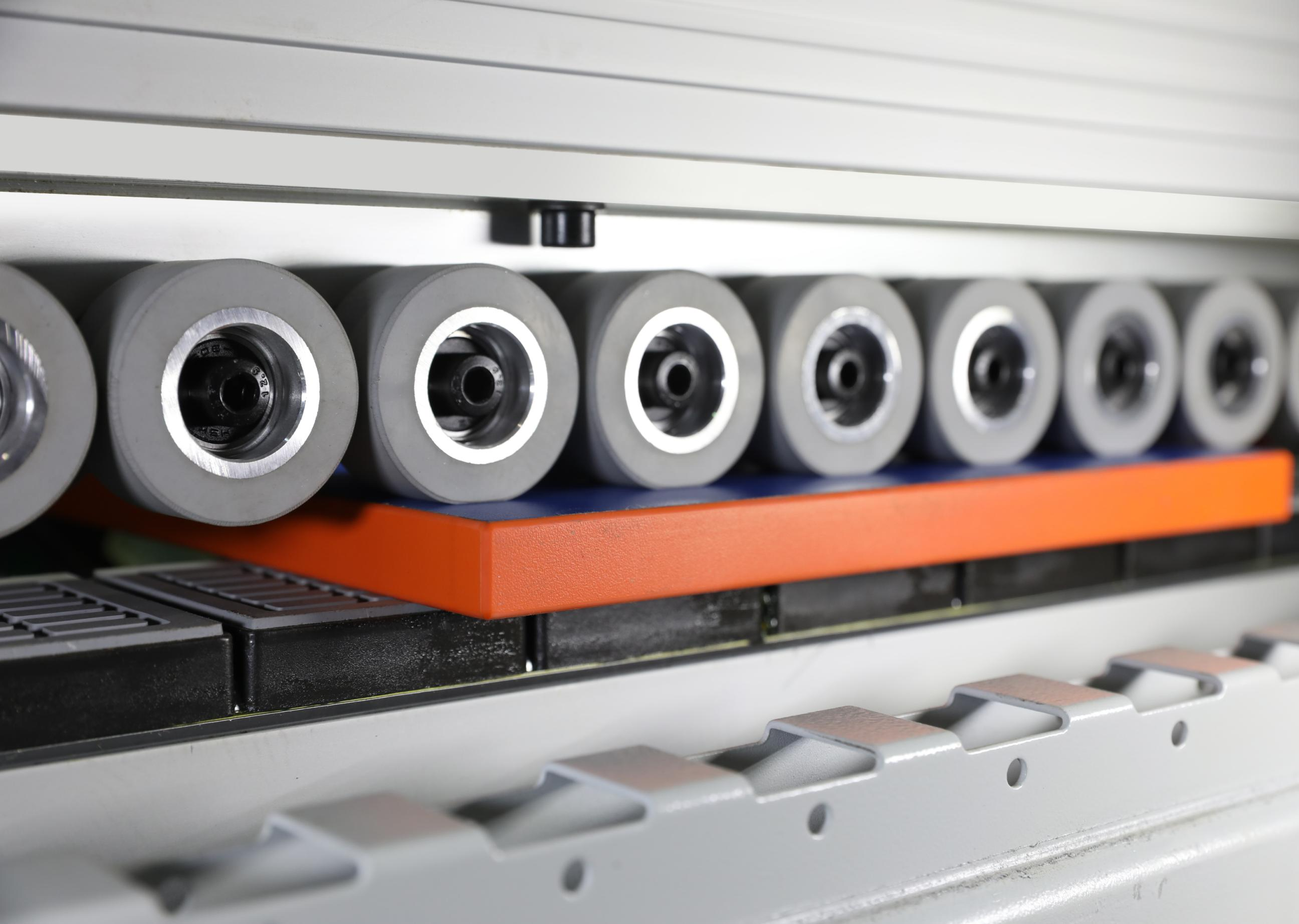
Check raw material, operator routines, and machine feedback separately. Common root causes: inconsistent edge tape thickness, wrong glue type, poor trimming geometry, worn pressure rollers, and loose drive belts. Log one shift of faults: times of failure, material used, and which operator was running the line. You want facts, not guesses. From there, prioritize fixes that remove human-adjustable variables—servo motion, automatic height compensation, and sensor-backed glue control do that.
Spec checklist for industrial cabinet shops
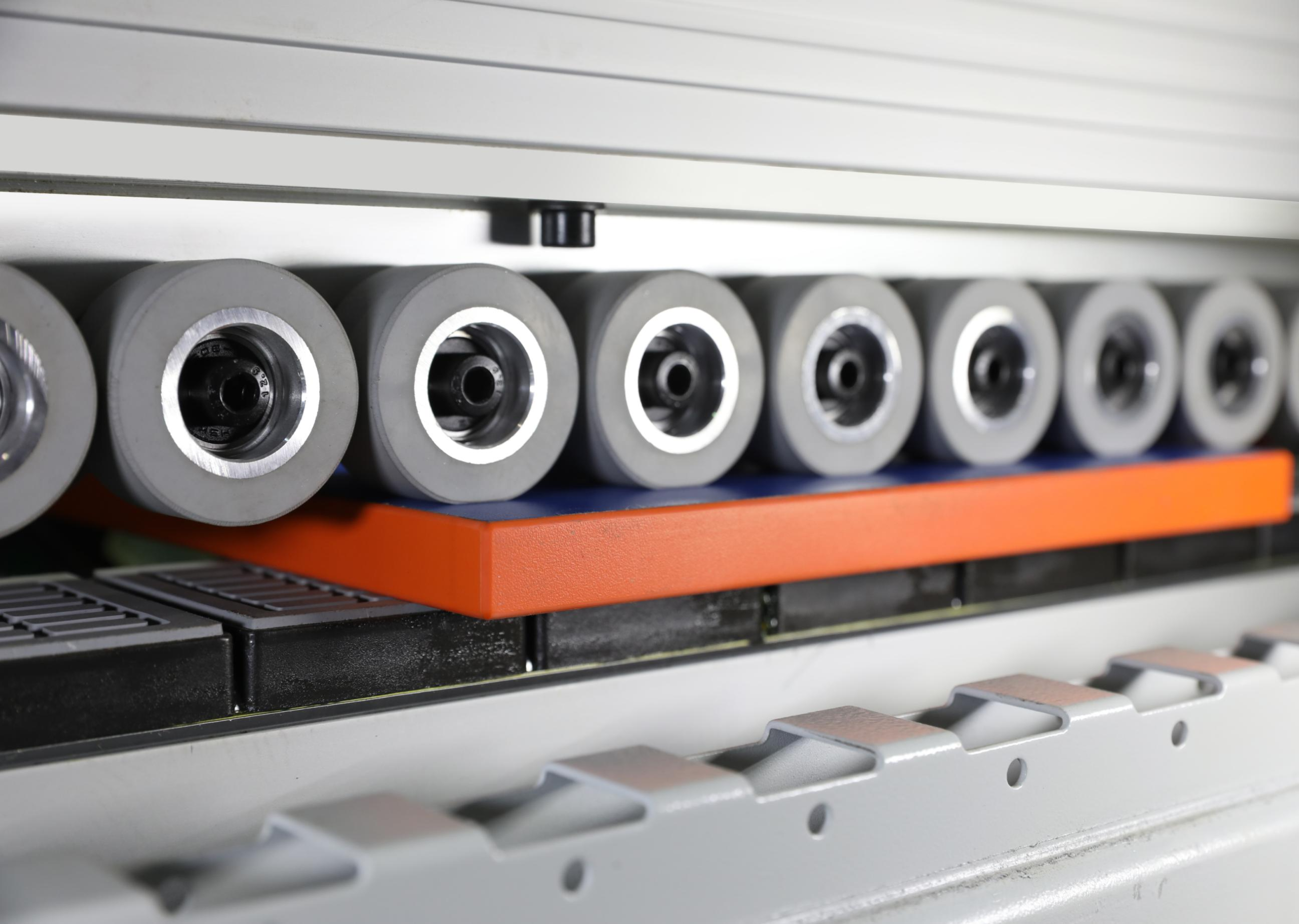
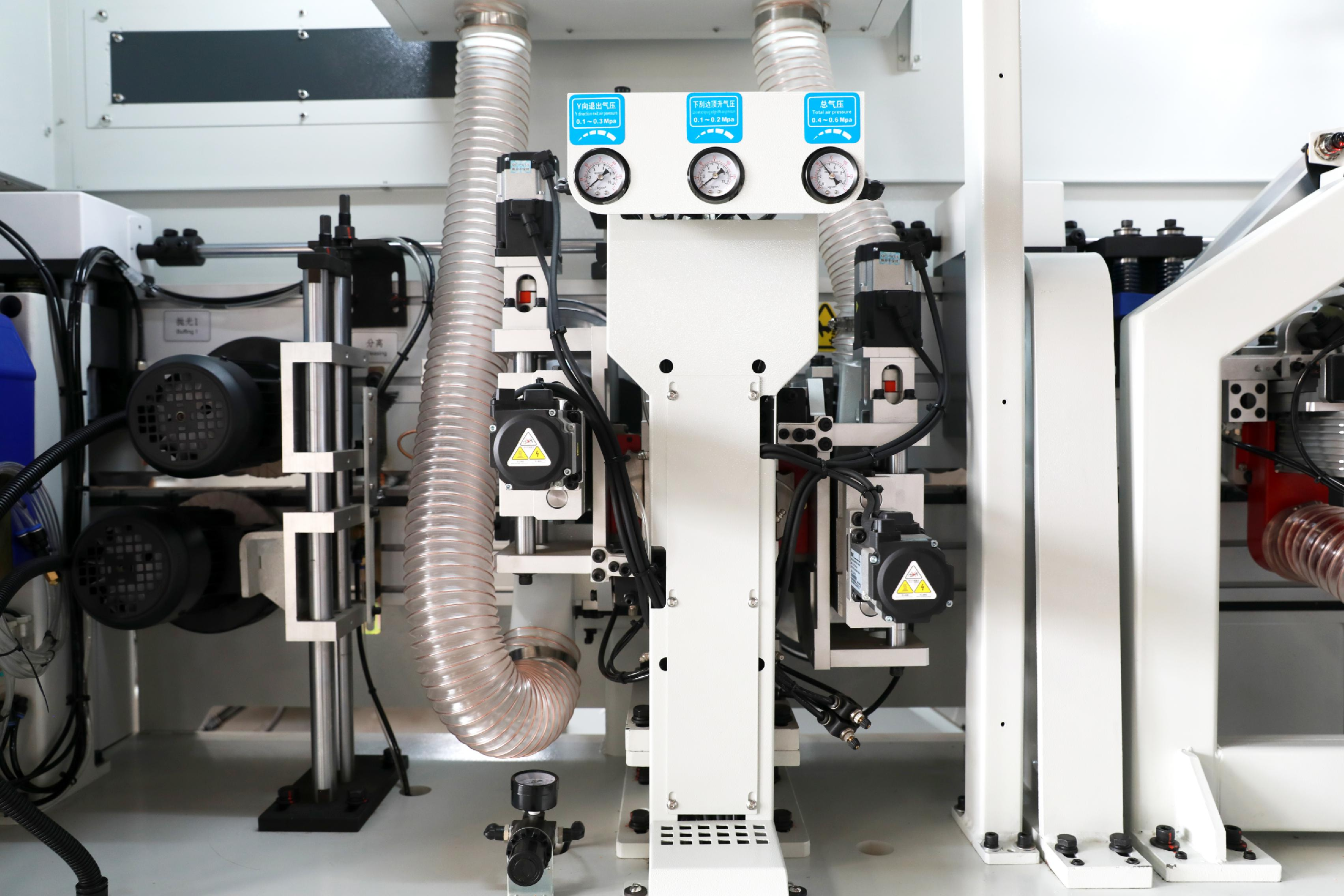
Pick items that match the problem list. Motion: closed-loop servo motors with resolvers or encoders. Glue system: controlled melting and a purge routine; PUR requires different handling than hot-melt. Trimming: replaceable carbide knives, accessible adjustments for cutting angle. Feed: variable speed with tension compensation for thin veneers. Controls: simple HMI with presets per board type. Safety and service access matter—panels that flip open and clear cable routing reduce downtime during line-side repairs.
Installation and alignment—get geometry right
Mount the machine on a level rail and verify parallelism to the feed table. Use a straightedge and a dial indicator to check planarity across the feed path; a 0.5 mm misalignment compounds end-trim errors. Set glue pot temperature per manufacturer specs and verify melt viscosity before running production panels. Calibrate pressure roller force with a force gauge—too light and edges don’t adhere; too heavy and veneer crushes. Record each calibration value; repeatable setup beats constant fiddling.
Common mistakes that cost time and parts
1) Skipping pre-milling on warped panels—always flatten faces before edging. 2) Using the wrong glue—PUR may bond better for wood veneer but requires dry storage and equipment rated for PUR. 3) Ignoring ambient conditions—high humidity changes glue pickup and tape stretch. 4) Over-trusting auto-feeds—feed sensors need routine checks. 5) Neglecting knife clearance—dull or mis-set knives leave fuzz and tear-out. Fix these and you cut rejects significantly.
Maintenance and quick troubleshooting routines
Daily: clean glue nozzles, check knife sharpness, verify sensor alignment. Weekly: check belt tension and roller bearings for play. Monthly: run diagnostic encoder checks and back up HMI presets. For field faults: log the fault code, reproduce it with a single-panel test, then isolate subsystems—mechanics first, then pneumatics, then electronics. Replace consumables on schedule; reactive replacement always costs more than a timed swap.
Alternatives and trade-offs
Low-cost stick-fed machines save capital but shift workload to operators and rework. Fully automated inline systems cut throughput time but require higher upfront accuracy and space. A mid-range servo solution balances control and footprint—less operator intervention, better repeatability, and cleaner corners. Decide by measuring current reject rate and the labor cost per panel; let those numbers drive the capital decision.
Real-world context and practical authority
I’ve overseen line changes in North American cabinet shops and confirmed one thing: moving from open-loop to servo control reduces operator adjustments. That hands-on work included installing a cabinet cnc machine into an existing cell, aligning motion profiles, and cutting rework by measurable hours across a week. The fixes were mechanical and procedural—tune motion profiles, lock down glue temperature, and train operators on one reproducible setup routine.
Closing synthesis
If edge defects, shift-to-shift variability, and operator time are the problems, you need predictable motion, controlled glue, and accessible service. The right machine trims those variables and lets shops standardize setup and maintenance into a repeatable process. That practical alignment of hardware, controls, and workflow is what many shops find when they move to equipment from HUAHUA CNC.