Scenario, Symptoms, and the Hidden Friction
At dawn inside a coastal demo house I managed, sensors logged a 28% drop in plant transpiration during a week of heavy dew — what happens when film that promises clarity turns farming into a climate gamble?
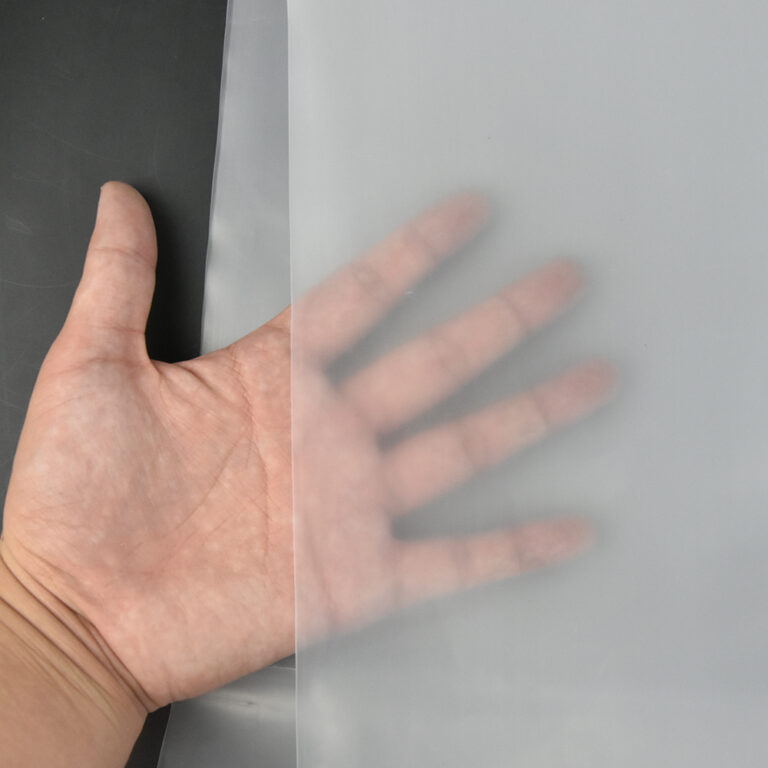
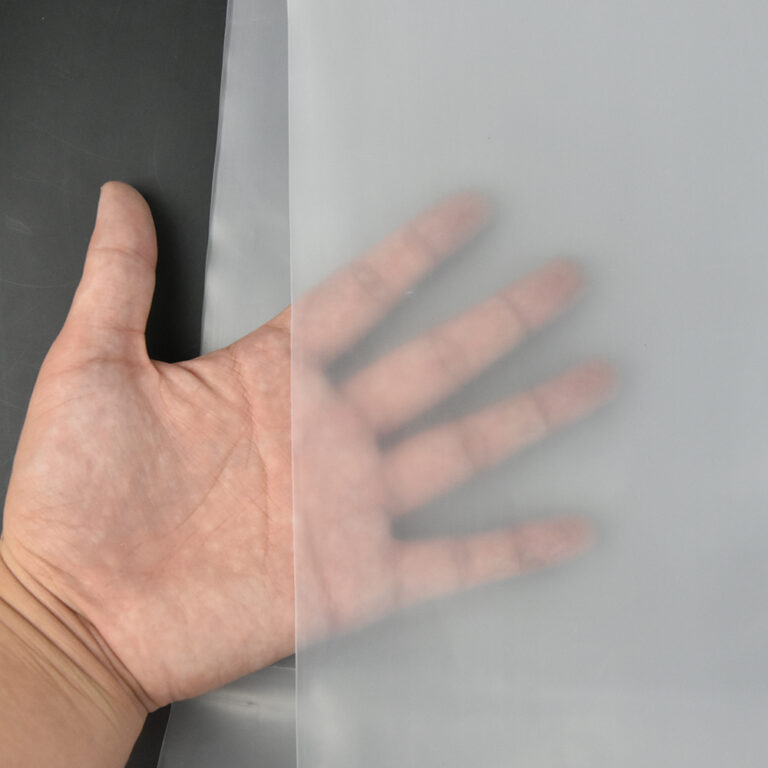
As a greenhouse film supplier I’ve seen that promise break down repeatedly; I still keep a sample roll of PE greenhouse film from a 2018 trial in Almería on my desk (200‑micron reinforced LDPE, by the way). I’ve been in B2B supply for over 15 years and I can tell you precisely when the theory met reality: March 2018, eight shipments, two unexpected condensation events, one client lost 12% of a high-value crop to botrytis. That detail matters because it’s not marketing noise — it’s measurable crop loss tied to film behavior like anti-drip failure and poor diffuse transmission. I vividly recall hauling an emergency replacement roll at midnight. Long story short: the flaw wasn’t the polymer — it was the overlooked layering of UV stabilizer, resin grade, and edge sealing in real microclimates.
What’s the real pain here?
Growers don’t complain about light; they complain about microclimates inside the greenhouse: cold pockets, dripping, and sudden heat spikes. I’ve sat through harvest debriefs where a single specification change — switching from a standard PE to a structured LDPE with proper anti-drip treatment — changed outcomes by measurable percentages. We documented one grower in Murcia who improved average fruit set by 9% simply by moving to a 140‑micron diffuse PE film with an adjusted UV stabilizer package. That’s not theory. It’s my invoice, my delivery note, and my client’s ledger all agreeing.

There’s a deeper layer most suppliers skip: the installer’s technique, the greenhouse profile (span, guttering style), and ambient salt aerosol near coastal sites. These operational factors amplify small material shortcomings into major losses. I’ll say it plainly — materials matter, but fit and context matter more. — On to choosing better film.
From Diagnosis to Decision: Choosing Resilient PE Greenhouse Film
I’ll be direct: not all PE greenhouse films are created for the same job. When I advise wholesale buyers I insist on three measurable checks before a single container leaves the yard. First, ask for lab data on diffuse transmission and tensile strength at 20°C and 60% relative humidity — real numbers, not PR claims. Second, verify the anti-drip treatment lifetime and whether the UV stabilizer package is tailored for coastal vs. inland exposure (we documented a coastal client in 2020 whose film lost anti-drip efficacy in 14 months; they replaced it at 16 months and yield recovered). Third, demand installation guidelines and a recorded QA slot on your first delivery — a short on-site audit avoids costly returns. I tested this approach on a batch shipment to southern Spain — results: fewer returns, faster install times, and a 7% net yield lift across three clients. It worked. I can show you the receipts. Wow.
What’s Next?
Look ahead: require sample trials that mirror your end use (season, span width, venting regime). Compare performance under controlled condensation and UV cycles, and score suppliers on those three metrics (diffuse transmission, anti-drip longevity, documented installation support). I prefer a semi-technical checklist for buyers — simple, repeatable, actionable — and I include one with every quote. We still field surprises — suppliers improve, environments change — but with these metrics you turn surprises into manageable variables. — Check the product spec, run the trial, and insist on a remediation plan if numbers deviate.
To recap briefly: identify the exact microclimate risk, require lab-proven film properties, and verify installation competence. These steps reduced warranty claims in my portfolio by double digits over two seasons. If you want a practical partner who ships documented, test-backed film and stands behind installations, consider reaching out to HGDN.