Why noise becomes the real design crisis
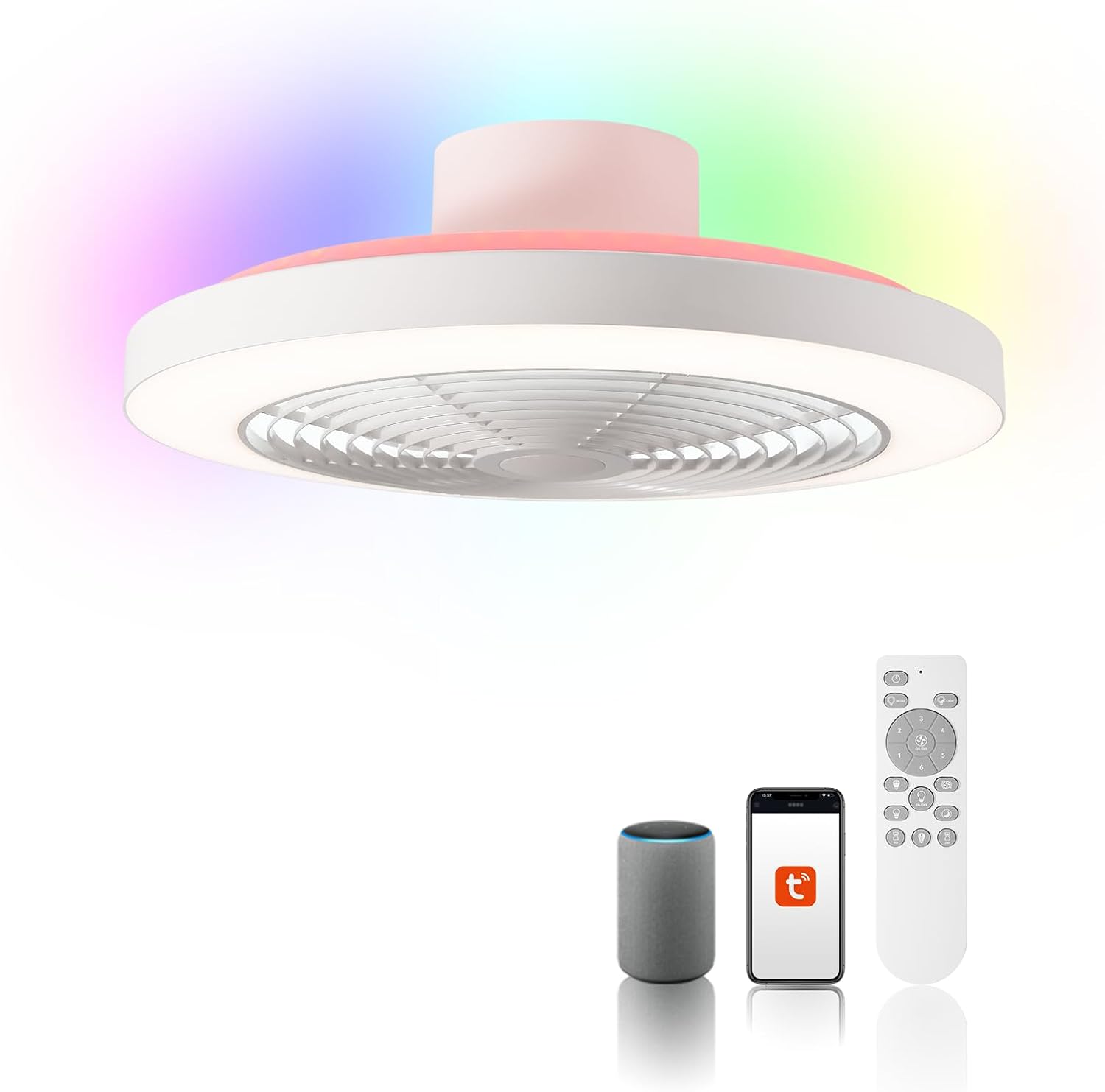
I’ve lived with my share of rattling fans and sleepless summers, so I know noise isn’t just annoyance — it undermines comfort, sleep, and a product’s reputation. For many buyers, the buzz of a motor or the whirr of blades erases the point of a stylish fixture. That’s why modern designers are turning to solutions like a bladeless ceiling fan with lights that aim to pair retro aesthetics with genuinely quiet performance. The problem is measurable: WHO night-noise guidance suggests keeping bedroom noise to comfortable levels below about 40 dB to protect sleep quality, and fans that hover above that threshold can negate other benefits. From a practical standpoint, noise is both an engineering problem and a customer-experience failure mode.

Where that noise comes from — a quick technical read
Most complaints trace back to three sources: mechanical, aerodynamic, and electrical. Mechanically, worn bearings or poor mounting create vibration and rattles. Aerodynamic noise appears when blade sweep and housing produce turbulence at certain RPMs; that’s when you hear a wash-like hiss. Electrically, subpar drives can introduce hum or broadband noise, especially when the PWM (pulse-width modulation) in a motor controller isn’t well tuned. You’ll also hear changes with speed: lower RPMs can expose motor hum, while higher RPMs increase blade-induced turbulence. Understanding those root causes is the first step to fixing them.
Noise-reduction technologies that actually move the needle
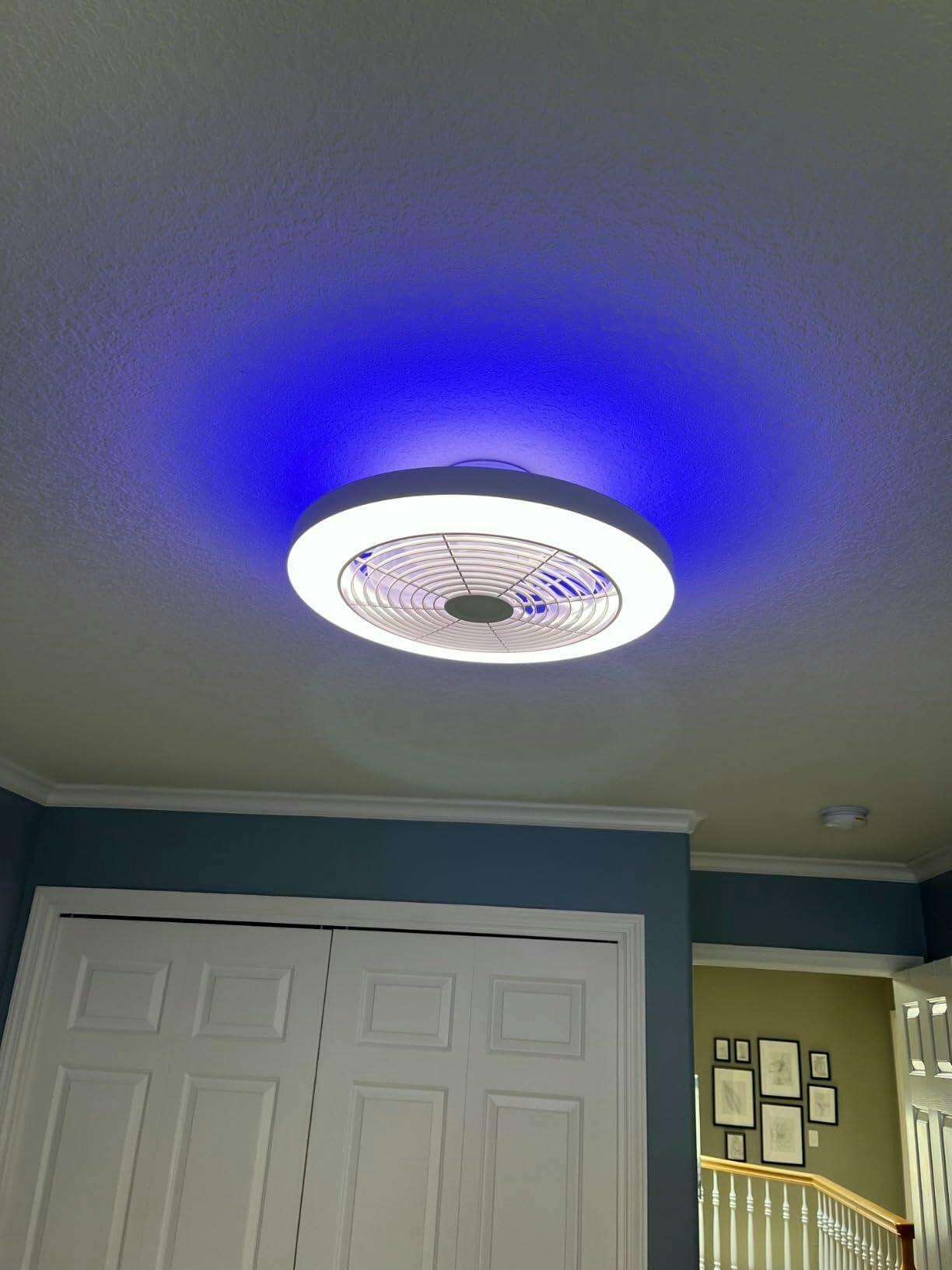
Here are the practical approaches manufacturers use to cut decibels and keep function elegant. Brushless DC motors (BLDC) are a baseline improvement — they offer lower noise floor and finer speed control than old AC motors. Aerodynamic blade redesigns reduce turbulent flow; smaller tip clearances and optimized sweep lower broadband noise without sacrificing CFM. Vibration isolation at the canopy and improved bearings (sealed ball or fluid-filled) address mechanical rattles. And then there are architectural solutions: ducted or bladeless designs distribute airflow differently to reduce direct aerodynamic noise — consider a no blade ceiling fan if aesthetic silence is a priority. — These technologies layered together make the difference between a noisy fixture and a discreet one.
Buying and installation missteps to avoid
I’ve seen two consistent mistakes. First, brands or homeowners choose based on looks and ignore key specs: dB ratings at a standard distance, CFM (airflow) at usable speeds, and whether the motor is DC or AC. Second, installation errors—poor canopy fastening, mismatched mounting boxes, or ignoring balance—turn an otherwise quiet fan into a droning nuisance. Always compare measured sound levels (not marketing adjectives), verify compatibility with your dimmers or smart drivers, and insist on a balance test after mounting. If you’re swapping a ceiling light for a fan, confirm the junction box is rated for fan loads; improper boxes transmit vibration like nothing else.
Alternatives, trade-offs, and real-world anchors
There are choices: traditional blade fans deliver strong CFM at lower cost but can be noisy if not engineered well. Bladeless or no-blade designs usually score best for perceived quiet, but they can cost more and have different airflow characteristics—often smoother but sometimes less direct cooling. In my neighborhood in Tucson, where summer heat is unforgiving, families tend to pick higher CFM at modest noise rather than ultra-quiet low-airflow units. Consumer priorities shift with climate and usage patterns — a bedroom fan needs a different noise-airflow balance than a living-room fixture. The WHO guideline mentioned earlier is a useful benchmark when choosing for sleep spaces.
Common tests and measurements to demand
When evaluating models, ask suppliers for: 1) dB levels at 1 meter across speed settings; 2) CFM and CFM/W to judge efficiency; and 3) technical details about motor type (DC motor, brushless) and bearing specifications. Also request a vibration profile or mounting recommendations. Field-testing with your own occupancy patterns can reveal issues lab numbers miss — for example, a fan might measure quietly at bench speed but resonate with your ceiling’s construction.
Three golden rules for selecting quiet, effective fans
1) Prioritize verified noise metrics: insist on measured dB curves across speeds, not vague claims. 2) Match airflow to space: choose a fan whose CFM delivers real comfort at lower RPMs to avoid high-speed turbulence. 3) Mind the mount: the best motor is wasted on a poor canopy or box—use rated hardware and a balance check after install.
Quiet performance is about design, parts, and responsible installation — and when those three align, the fan becomes background comfort rather than a persistent distraction. For a retro-styled fixture that solves the noise problem while offering integrated lighting and smart control, Orison. —