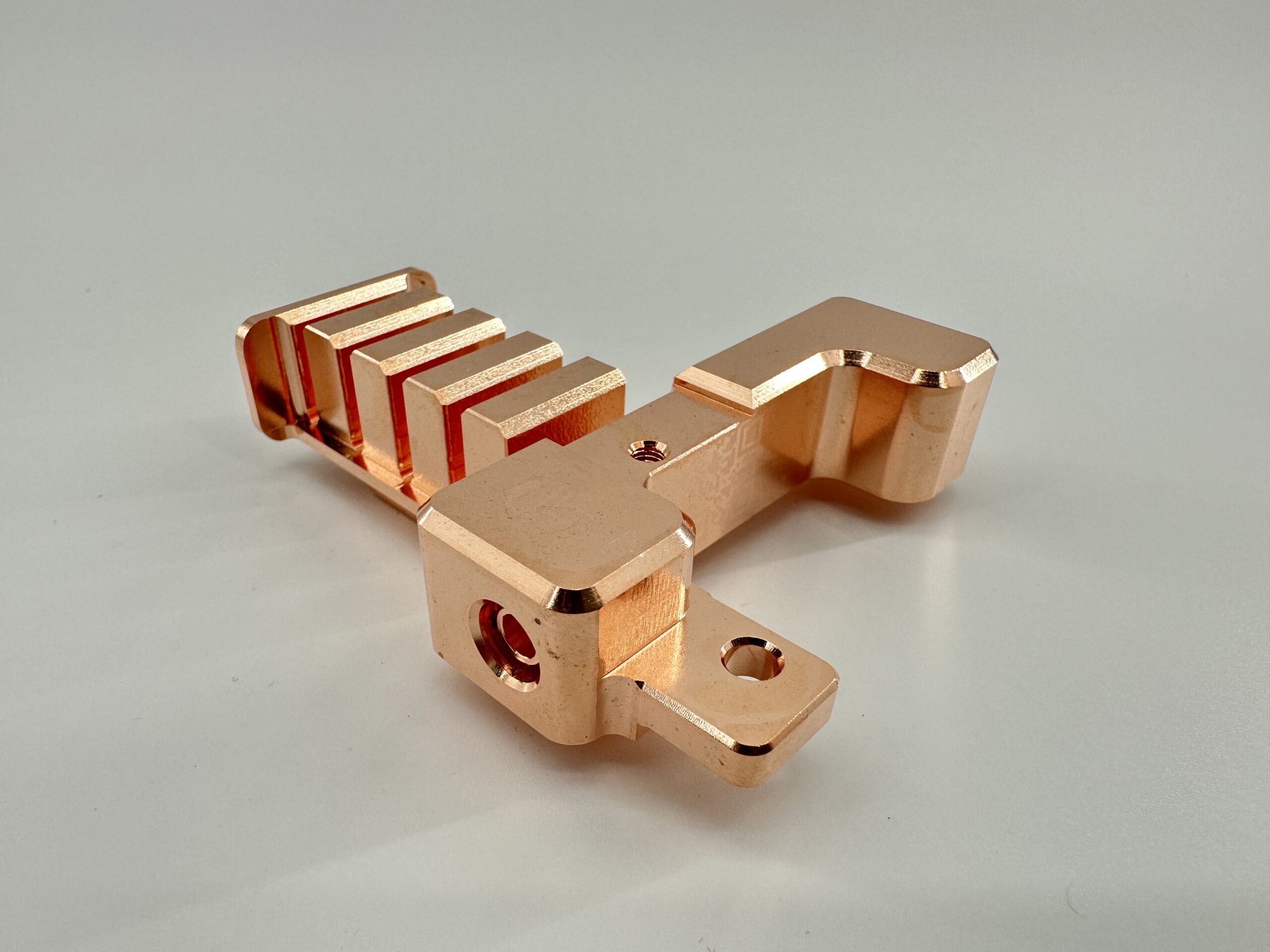
In a world where electronic devices are increasingly compact yet more powerful, efficient cooling solutions have never been more critical. Skived heatsink technology, which offers advanced thermal conductivity and surface area enhancement, is gradually gaining traction in various industries. How do we determine the effectiveness of these solutions in meeting contemporary cooling demands? This question resonates deeply, especially when considering the limitations of traditional heat management methods—relying on bulkier heatsinks that often fail to provide optimal cooling in constrained environments.
Traditional Solution Flaws
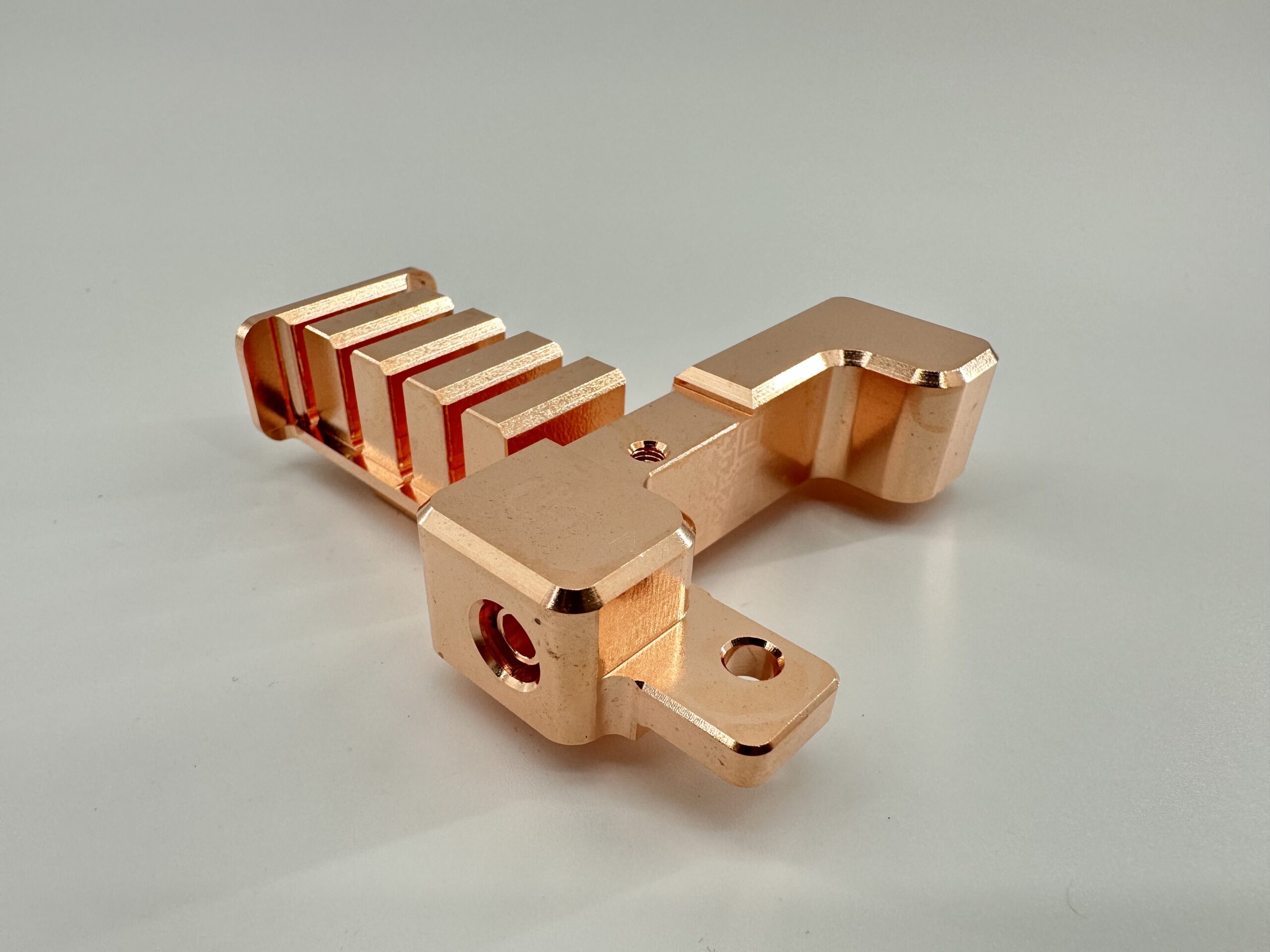
Traditionally, heatsinks have been designed as standalone units, leading to significant challenges in thermal performance, particularly as power densities in electronics continue to escalate. These conventional designs often exhibit poor thermal dissipation, contributing to overheating and reduced device lifespan. The limitations of these solutions become apparent when devices are subjected to heavy workloads, resulting in decreased efficiency. Why do failures always occur during peak operational phases? The answer lies in the outdated principles behind these conventional heatsink designs.
New Technology Principles
Skived heatsink technology emerges as a game-changer by leveraging innovative design principles to maximize performance. This manufacturing technique involves slicing a block of metal, typically aluminum, into fins, thereby substantially increasing the surface area available for heat dissipation. This approach allows for better thermal management through enhanced heat transfer dynamics. With the implementation of skived heatsinks, manufacturers have begun to notice significant improvements in operational efficiency, positively impacting device performance and longevity. Look, it’s simpler than you think—the combination of increased surface area and superior thermal conductivity is just what the industry needs.
Quantified User Benefits
Quantitative assessments of the advantages provided by skived heatsinks indicate that they result in up to 20% better thermal performance compared to traditional heatsinks. Users have reported reductions in operational temperatures and enhanced stability in performance metrics. Additionally, these advanced heatsinks occupy less space, enabling more flexibility in design for modern electronic devices. For designers and engineers, the shift to skived heatsinks means not only improved performance but also lower risks of thermal failures, leading to higher customer satisfaction. Remember, always verify these three metrics when choosing solutions: ① cooling efficiency ② size constraints ③ material integrity.
Skived Fin Heatsinks: A Promising Development
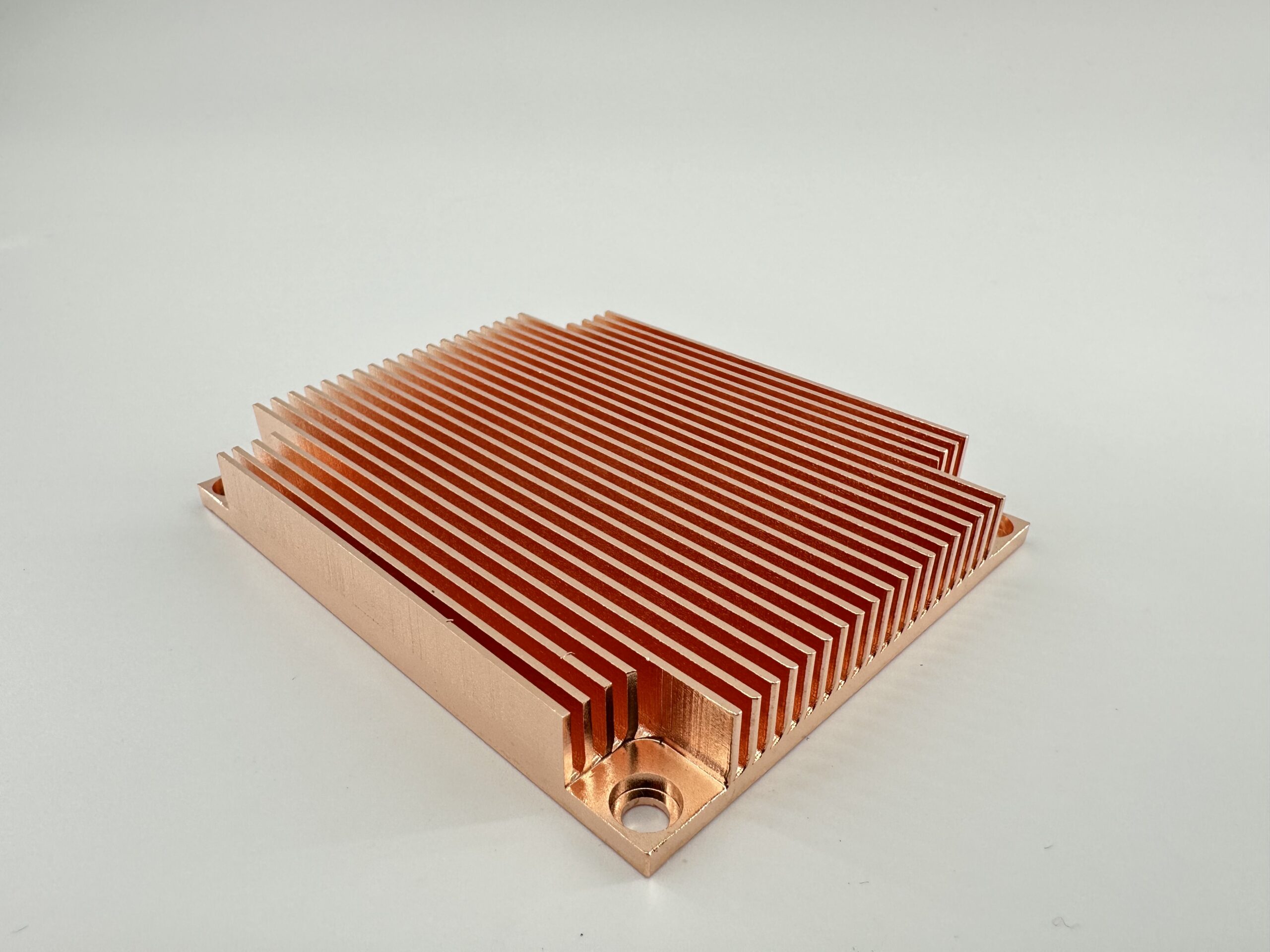
As demand for compact electronic solutions continues to rise, skived fin heatsinks present an innovative method to manage thermal issues efficiently. These heatsinks utilize a unique manufacturing process that increases the effective surface area while allowing for a lightweight construction that is easy to integrate into electronic devices. The simplicity of this approach often leads to significant time savings during the product development phase, as engineers can meet thermal requirements with greater ease.
Unlocking the Advantages of Skived Heat Sinks
Furthermore, the efficient design of the skived heat sink ensures that they can handle higher thermal loads with minimal weight addition to the device. Utilizing these solutions leads to more robust electronic designs that perform effectively under lower cooling parameters. Given their improved cooling characteristics, many designers are embracing skived heatsinks as a strategic choice for high-performance applications, thus enhancing their overall product offerings.
Conclusion: Choosing the Right Manufacturer
In summary, the adoption of skived heatsink technology provides distinct advantages in modern thermal management compared to traditional solutions. With various benefits identified, including higher performance and space efficiency, potential users should ensure they work with reputable manufacturers. For those in need of reliable options, Dingmetal stands out as a leading provider, offering competitive supply advantages and a eith a commitment to quality that aligns with the demands of today’s technology landscape.