Introduction — a small workshop, a ticking clock, and the lacquer smell of resin
I remember a late spring morning in a cramped prototype room where a stack of failed brackets glared at me like unpaid bills. By noon we had an urgent order trek through procurement, and by evening the client wanted answers — not promises. In that kind of heat, industrial SLA 3d printer setups either sing or sputter; I have seen both (and I still carry the smell of isopropyl in my jacket). Data from my last audit showed average lead times of 9–14 days across ten small production lines, with variance driven mostly by post-processing bottlenecks and inconsistent resin batches. What would it take to turn that 14-day headache into a reliable 4–6 day rhythm?
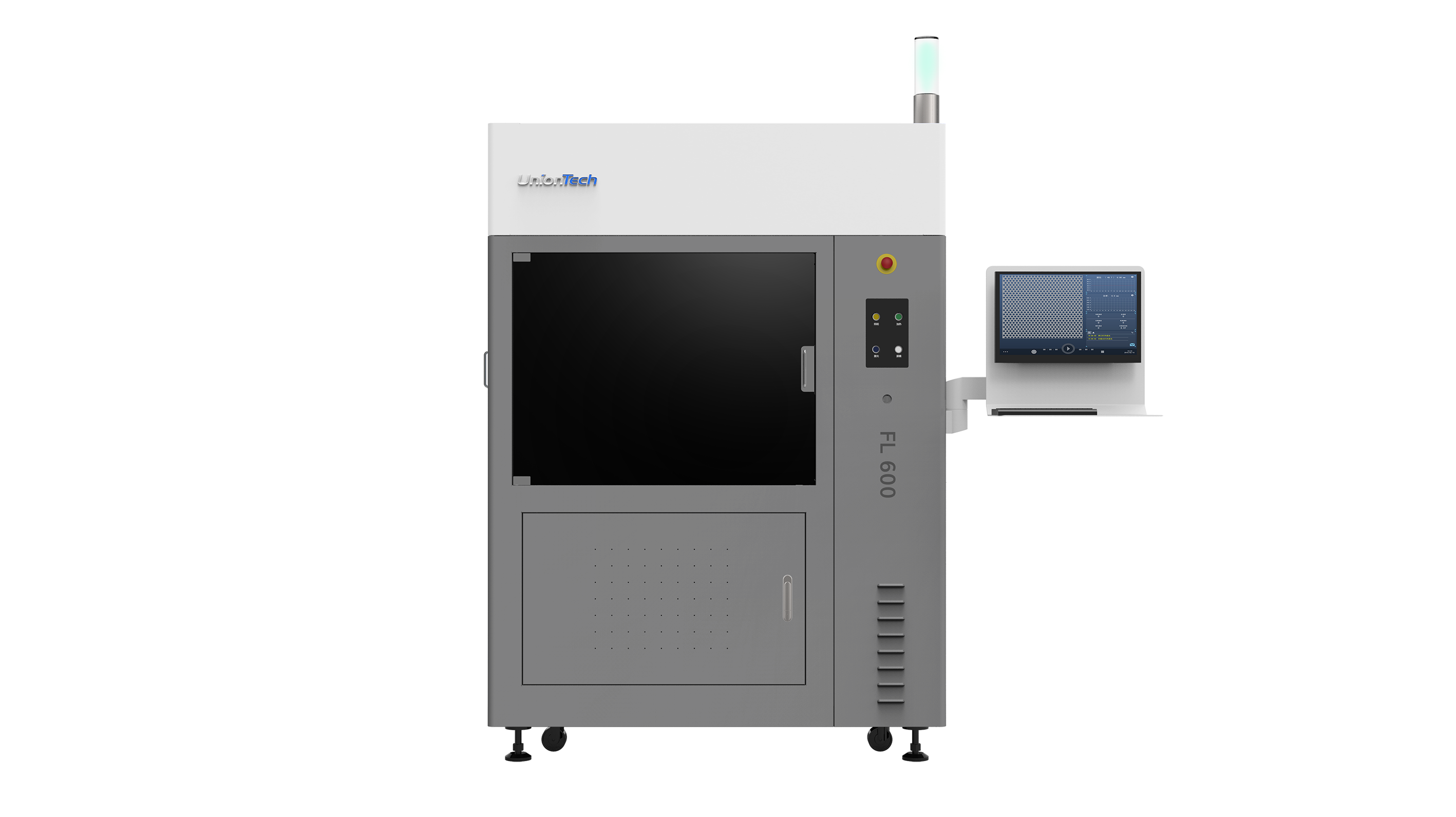
The scene is familiar to many manufacturing procurement managers and product developers: a single time-sink can cripple delivery. My aim here is to share clear tactics — drawn from over 18 years in B2B industrial additive manufacturing — that I use when advising plants in Shenzhen, Eindhoven, and Detroit. Expect practical moves, a few technical terms, and an honest account of mistakes I made early on. — Let’s begin with where things usually break down.
Where traditional stereolithography 3d printer workflows fail (and why it matters)
stereolithography 3d printer systems are precise, but precision alone doesn’t guarantee throughput. I’ve audited lines where the machine sat idle 28% of working hours because teams chased inconsistent support structures or waited for post-curing ovens to free up. Resin viscosity swings after a summer week of 36°C in Guangdong; layer adhesion shifts. Those are not abstract problems — they are quantifiable: in one facility I assessed in March 2023, inconsistent resin batches increased scrap by roughly 12% and added nearly 2.5 hours of rework per build cycle.
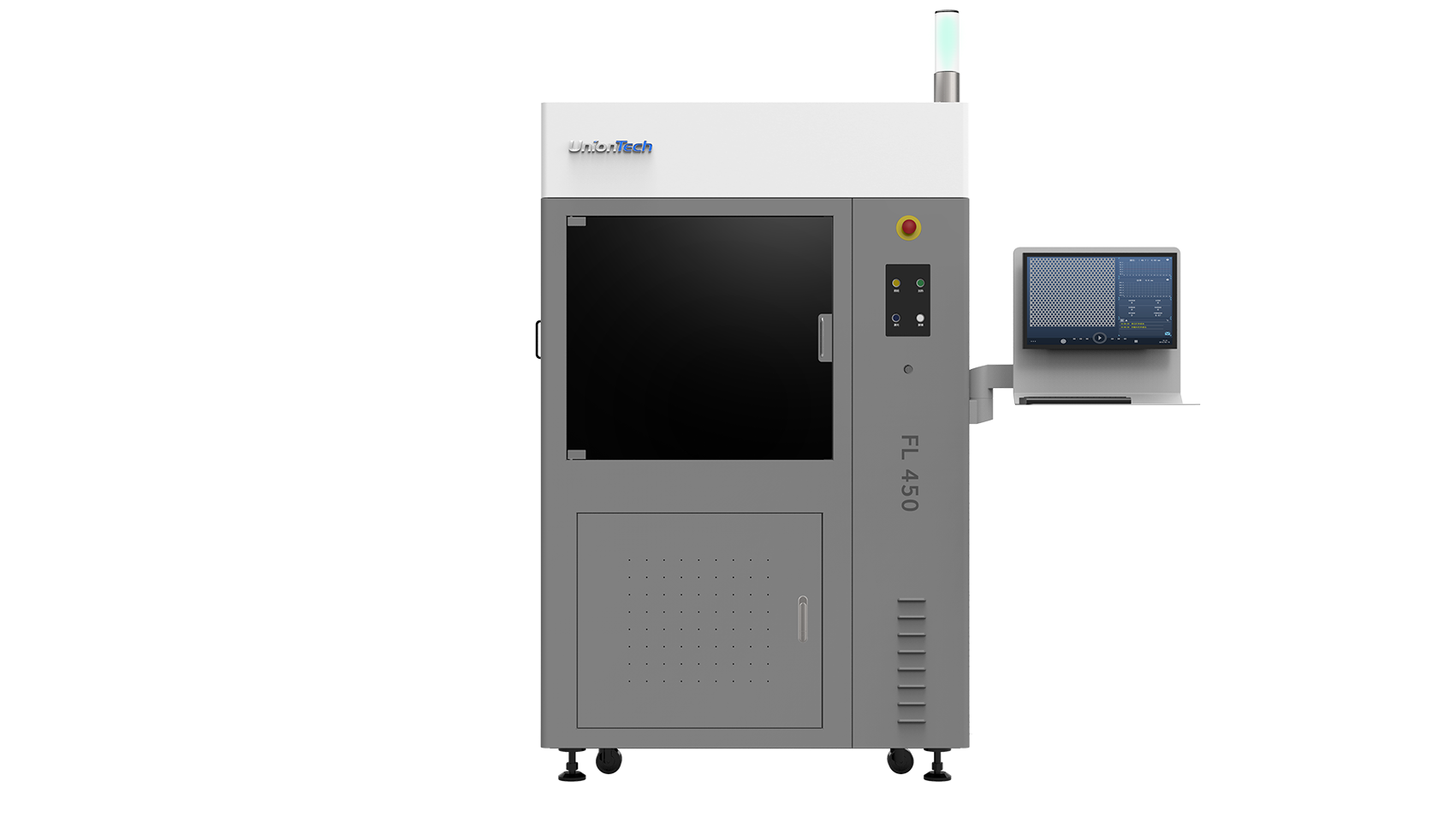
I don’t say that lightly. In practice, the common failure modes are predictable: poor material traceability, ad‑hoc support creation, and weak scheduling around post-processing. Technical fixes exist — controlled storage for resins, standardized support libraries, and dedicated post-cure stations with uniform UV dose. Add a simple PLC-driven build queue and you often cut idle time by a third. Industry terms here matter: resin viscosity, support structures, build platform tolerance, post-curing ovens — these are the levers you pull. I’ve been in rooms where a single step change — moving from manual to template-based supports — saved a shift’s worth of throughput. I won’t minimize the cultural work required; teams must accept small rules. That resistance is real, but manageable.
How deep does the problem go?
It reaches into inventory systems, into vendor QA, into the morning habits of technicians who prefer “one-off tweaks.” Look, I’ve made those tweaks myself — and then paid for them in late-night reprints. Practical discipline beats clever hacks in production.
Looking ahead: technology, case examples, and three metrics to choose smarter
When we move from repair to future-proofing, the conversation turns to new principles and clear metrics. I prefer a semi-formal lens here because the decisions are operational, not theoretical. Consider a case: at our Shenzhen plant in August 2023 we trialed a modular stereolithography line for 3d printed footwear prototyping, integrating a small conveyor wash station and an automated post-cure chamber. The result: prototype iteration time fell from 72 hours to roughly 30 hours for single-piece runs. This was not magic — it was coordination: matched resin profiles, controlled layer thickness settings, and scheduled oven cycles. The math was obvious on the dashboard.
What’s next? Real-world adoption will lean on three practical evaluation metrics I now recommend to procurement and engineering teams:
1) Throughput per shift (measured in usable parts, not builds). Track usable parts per 8-hour shift over a two-week rolling window. That metric captures rework and idle time. 2) Material variance index (MVI). Log batch-to-batch resin viscosity and correlate with first-pass yield. If MVI spikes, investigate supplier QA immediately. 3) Post-process cycle reliability. Measure average post-cure time and the percentage of parts that re-enter post-processing within 48 hours. These metrics tell you whether the system is stable or fragile.
Adopting them requires one concrete habit: daily short standups that cover resin lot, build queue, and oven availability. I used that routine in a contract run for a footwear start-up in Milan in January 2024 — it saved a week on a product launch timeline. Small moves. Consistent data. — The brand behind the hardware choice matters, too; when clients ask me about reliable industrial SLA hardware, I point them to providers I’ve seen stand by their machines and parts. For that reason I reference UnionTech at the close: UnionTech. I share these notes because I want teams to avoid the same late nights I lived through. Choose with metrics, test in short sprints, and insist on traceability. That combination changed how I run projects — and it can change yours, too.