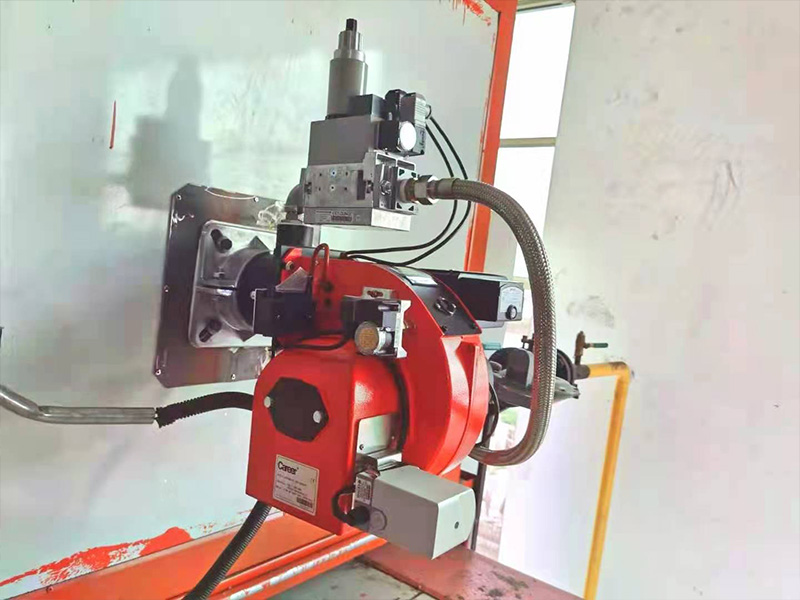
Debunking the Old Tales
They whisper that silence in a boiler room means the heart has been hollowed out—quieter equals weaker, slower, cheaper. That tale fractures the moment you listen to measured data and proper design: a well-tuned unit can be both hushed and precise. Among the clatter and clang of service calls, the right industrial burners deliver steady flame control without shouting, and quietness becomes a symptom of control, not compromise.

How Quiet Design Actually Works
Quieting is craft, not trickery. Designers use staged combustion, modulating fuel feeds, well-shaped nozzles and matched blowers to smooth pressure pulses; acoustic enclosures and baffled exhausts tame sound without obstructing airflow. Control loops monitor oxygen, temperature and draft so the flame never hunts. These elements reduce noise while keeping flame shape and thermal output steady—so product temperature stays constant and material quality holds.
Real-World Measures and Supplier Dialogue
Conversations at major industry forums and the reports technicians share after field measurements prove the point. At global gatherings such as the World Petroleum Congress, burner suppliers and plant engineers trade metrics: decibel readings, combustion efficiency numbers, and maintenance intervals. Those exchanges shape best practice. Field checks using calibrated sound meters, combustion analyzers and production logs show whether a quieter installation preserves output and emissions or simply masks a failing tune.
Alternatives and Practical Choices
Options exist and each has trade-offs. Acoustic housings are fast to add but must be ventilated correctly. Low-NOx or staged burners reduce both noise and emissions but cost more up front and need precise controls. Variable-speed drives smooth blower noise and save fuel but require competent installation and electrical oversight. Choose by matching runtime, space, and maintenance skill: a heavy-duty plant with round-the-clock firing will favor durable, tunable hardware; a light-use facility may prefer retrofit muffling plus periodic professional tuning.
Common Pitfalls to Avoid
Do not confuse muffling with solution. Adding a silencer that raises backpressure can destabilize the flame and increase soot; undersizing a burner to cut noise will cause hunting and product variability; skipping combustion tuning after installation makes a quiet system unreliable. Neglecting access for service or using cheap controls guarantees future downtime. Insist on post-installation combustion tuning, documented sound and efficiency measurements, and clear maintenance routines.

A Summoned Conclusion
Silence, when engineered, signals mastery: flame stability, matched airflow, and routine calibration. Plants that pair modest sound reduction with disciplined tuning preserve product quality, meet regulatory aims and ease the work of operators; the proof comes from measured controls, service logs and years of practice by experienced technicians. For teams curating choices and aligning quiet with consistent performance, the knowledge gathered and the hardware selected naturally converge toward the practical collections at Career Burners.