Introduction: A Choice Framed by Carbon, Craft, and Control
Picture a lobby that feels warm at dawn and bright at noon, yet calm by night. Our bespoke lighting company sees this play out every day in homes and hotels. Lighting still consumes a big share of building energy, and studies show up to 30% can be saved with smarter control and better fit—yet many projects miss that mark. So, when the brief says “make it elegant and efficient,” which path serves you better: bespoke ceiling lights or a dramatic chandelier system? The question sounds simple, but the stakes are real (comfort, carbon, and cost). And here is the twist—good taste has to meet good data. Let’s unpack what sits under the surface and why the right choice depends on more than looks. On we go to the first layer that most specs skip.
Traditional Fixes Fall Short: The Hidden Gaps Above the Ceiling
Let’s get technical and clear. Many legacy ceiling schemes rely on generic constant-current drivers and fixed scenes. They dim, but they do not adapt. Without tight thermal management, lumen output drops faster than planned. That leads to uneven light over time. With standard DMX512 or basic on/off triggers, occupancy patterns stay crude. The result is over-lighting, graffiti shadows, and wasted kilowatt-hours. Even worse, mismatched power converters cause micro-flicker that you notice most at low dim levels. It is fatiguing. It also ruins the mood a boutique wants to sell—funny how that works, right?
Now add maintenance. Many arrays hide behind drywall. Access is messy and slow. Firmware updates lag. Sensors drift. Without edge computing nodes at the room level, data never closes the loop. So the system cannot correct for daylight or seasonal demand. Look, it’s simpler than you think: when the control topology is blunt, both comfort and efficiency suffer. The ceiling becomes a cost center instead of a calm, flexible canvas. That is the quiet pain point clients report after year one—fatigue from “almost right” light that never quite suits the time, task, or tone.
Forward-Looking Comparisons: Smarter Ceilings, Smarter Statements
What’s Next
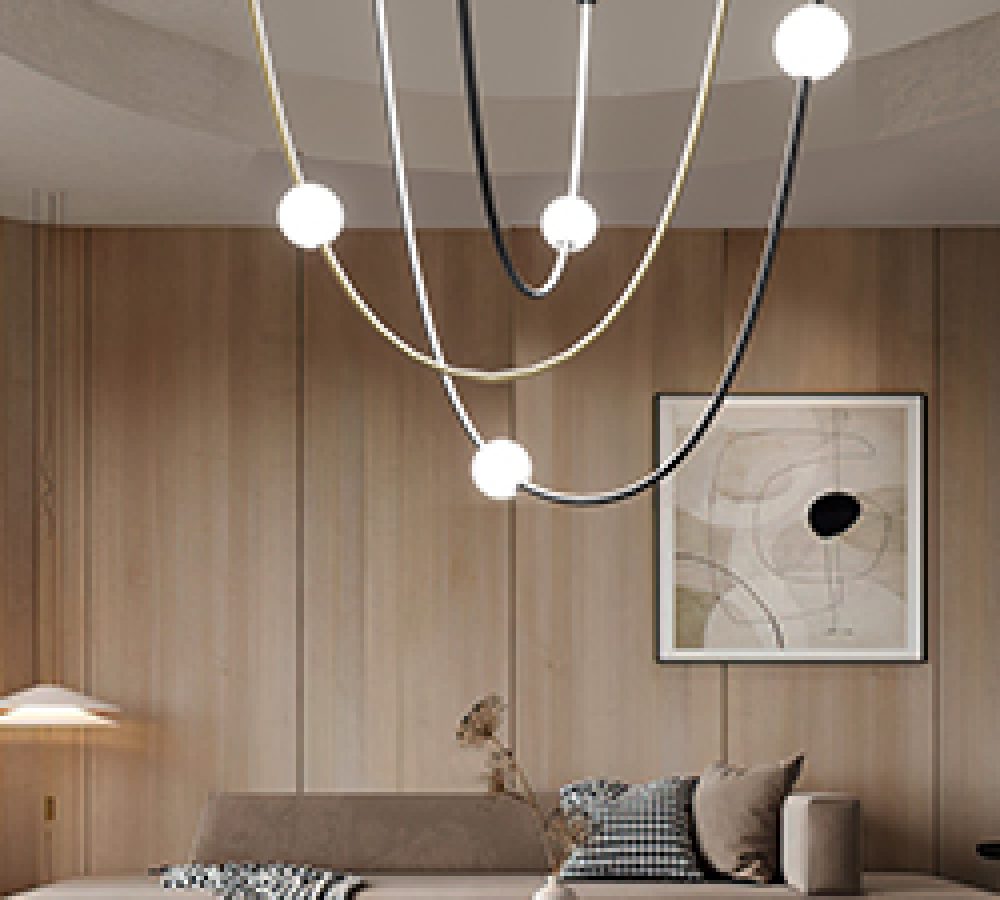
New principles change the math. Networked drivers with PWM dimming let fixtures glide from task-white to warm-rest modes with clean curves. Room hubs act as edge computing nodes and sync sensors with scenes in real time. That means a reading nook can drop to 200 lux while a desk stays at 500, both stable, both calm. The same ceiling grid can run on PoE lighting where it makes sense, cutting copper and simplifying rollout. Meanwhile, refined control logic—think local daylight mapping—keeps glare low and power lean. When you compare that to a classic, static layout, the gap is clear. Less guesswork. More proof.
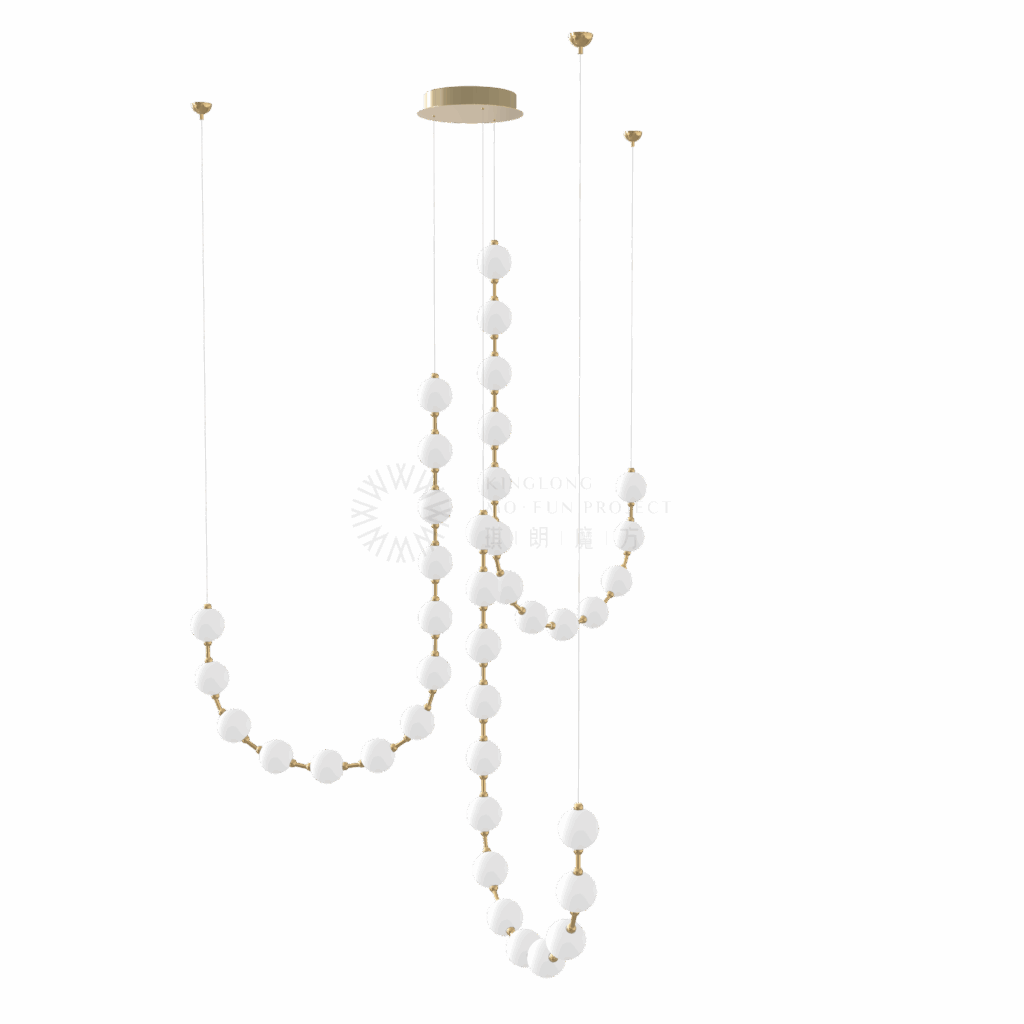
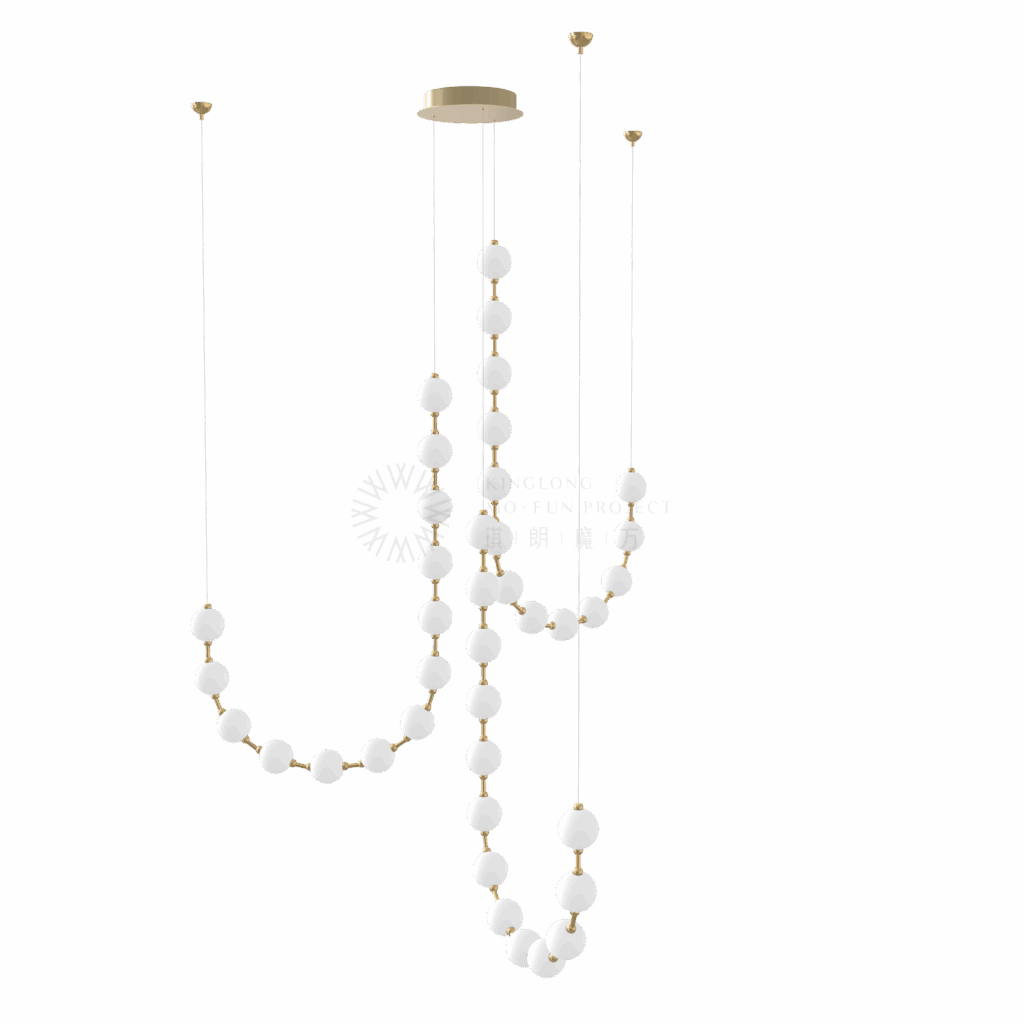
Yet there is another side of the table: the craft and aura of a single hero piece. Browse a custom chandelier makers gallery crystal chandeliers and you see how a space gains identity in one move. The future is not either/or. It is both-and, guided by data. A chandelier can anchor the room’s story while the ceiling grid carries the workload with smart drivers and tuned scenes. You get tactile beauty and measured performance—different roles, one system. And when control software pulls photometric data, CRI targets, and occupancy patterns into one line view, decisions get easier—less noise, more signal.
Real-world Impact
So here is the short take without repeating ourselves. Traditional ceiling kits often fail because they fix light but ignore life. Smart ceilings solve control and maintenance, while signature chandeliers solve presence and brand. Together, they perform like a team. To choose well, use three checks. One, verify dimming quality at low levels and confirm no visible ripple. Two, test sensor logic in the actual room, not just in a lab plan. Three, review driver and gateway roadmaps to ensure long-term updates and safe integration paths. That is how you lock in comfort, cut waste, and keep the look you love—funny how good engineering protects good design, right? For deeper examples and benchmarks, you can always consult kinglong.