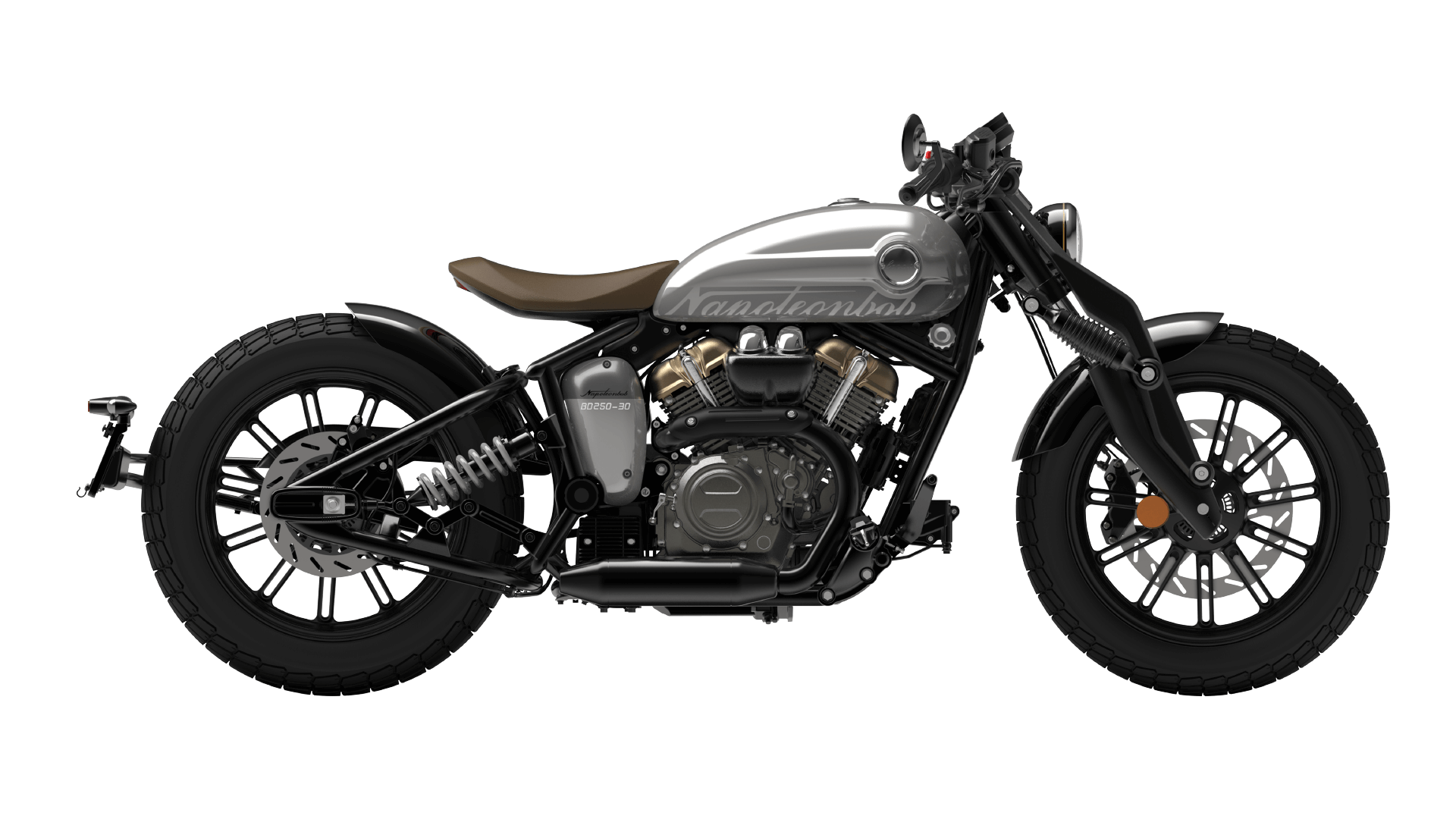
A Cold Dawn on Warm Asphalt
The city is running out of room, and the road feels angrier by the week. You swing a sport cruiser motorcycle into the gray dawn, and the grid stares back (idling, restless). The streetlights hum. The asphalt radiates last night’s heat. Dash warnings blink, and the hum of machines blends with the low throb from your tank. Reports talk of denser commutes and longer stops, of ride time broken by pointless waits. You feel it in the bars and in your chest.

Gear that once felt heroic now feels heavy. ABS is not the shield you hoped; a hard stop still rattles your wrists. The torque curve peaks where the city dies. The ECU maps a safe line, but safe can be numb. And as the lights roll from red to red again, you ask: what did we trade for that badge of “cruiser” and that promise of “sport”? Are we chasing pace that the streets refuse to give us—or is there a better way to shape the ride (and keep the soul)? Let’s pull the chrome back and see what really hurts—then move toward what actually works.
Under the Chrome, Under the Skin
When riders search for the best sport cruiser motorcycles, they often start with power and paint. But the real friction hides deeper. Traditional setups lean on weight, long wheelbase, and firm style cues. That stance looks right. In traffic, it becomes tax. The reach to the controls is a stretch. Heat soak builds near the knees. And ride-by-wire can feel binary at low RPM, even when the spec sheet sings. Look, it’s simpler than you think: people ask for sweep and swagger; they really need leverage and calm.
What’s really breaking the ride?
Corner to corner, soft forks pack down and rebound late. The CAN bus ties everything together, but modes often feel like walls, not tools. A slipper clutch saves your rear tire, yet the first quarter turn of throttle still jerks. You feel it when the lane pinches—funny how that works, right? The old fixes—louder pipes, taller gears, thicker seats—mask symptoms. They do not solve heat, weight, or the dead zone in low-speed control. The result: fatigue arrives early, confidence arrives late, and the joy that should sit in your shoulders slips into your lower back.
Comparative Insight: Principles That Change the Pace
Here’s the forward edge, and it’s not a slogan. Think about how control flows through the bike. Start with sensing, then shaping. A modern IMU watches pitch and yaw, not just wheel slip. Adaptive damping trims the front-end dive that steals your line. The throttle map gets a wider, smoother floor, so tiny inputs actually matter. Compare that to the old stack—fixed valves, coarse fueling—and you see why small tech shifts feel big on bad streets. A well-tuned quickshifter cuts the strain between gears, making the chassis settle. Add smarter cooling paths to move heat away from your legs, and the mid-summer commute stops feeling like penalty time. Put it in real words: the machine stops shouting, and starts listening.

What’s Next
Near future, expect lighter subframes and tighter packaging that keep mass low and central. Variable valve timing broadens midrange without the peak-only drama. Modes get simpler, not busier, with presets you can actually trust. And yes, a sports cruiser motorcycle can carry both pace and poise when the core principles align—sensing, smoothing, shedding. Choices will split by feel: some brands chase sprint energy; others tune for quiet control. Either way, the new baseline is clarity at low speed and stability at lean. That’s the real measure (and the real relief).—because a bike that feels smaller than it weighs is the one you’ll ride longer.
Before you choose, use three clean metrics. Measure low-speed precision: how steady is the first 10 percent of throttle, and how calm is the front under brake. Check thermal comfort in real traffic, not in a showroom. Weigh fatigue across a full week—wrists, neck, and mind—then decide. The road won’t get kinder, but your kit can get smarter. And that’s the quiet promise worth keeping, from alley heat to highway haze, with brands evolving fast, including BENDA.