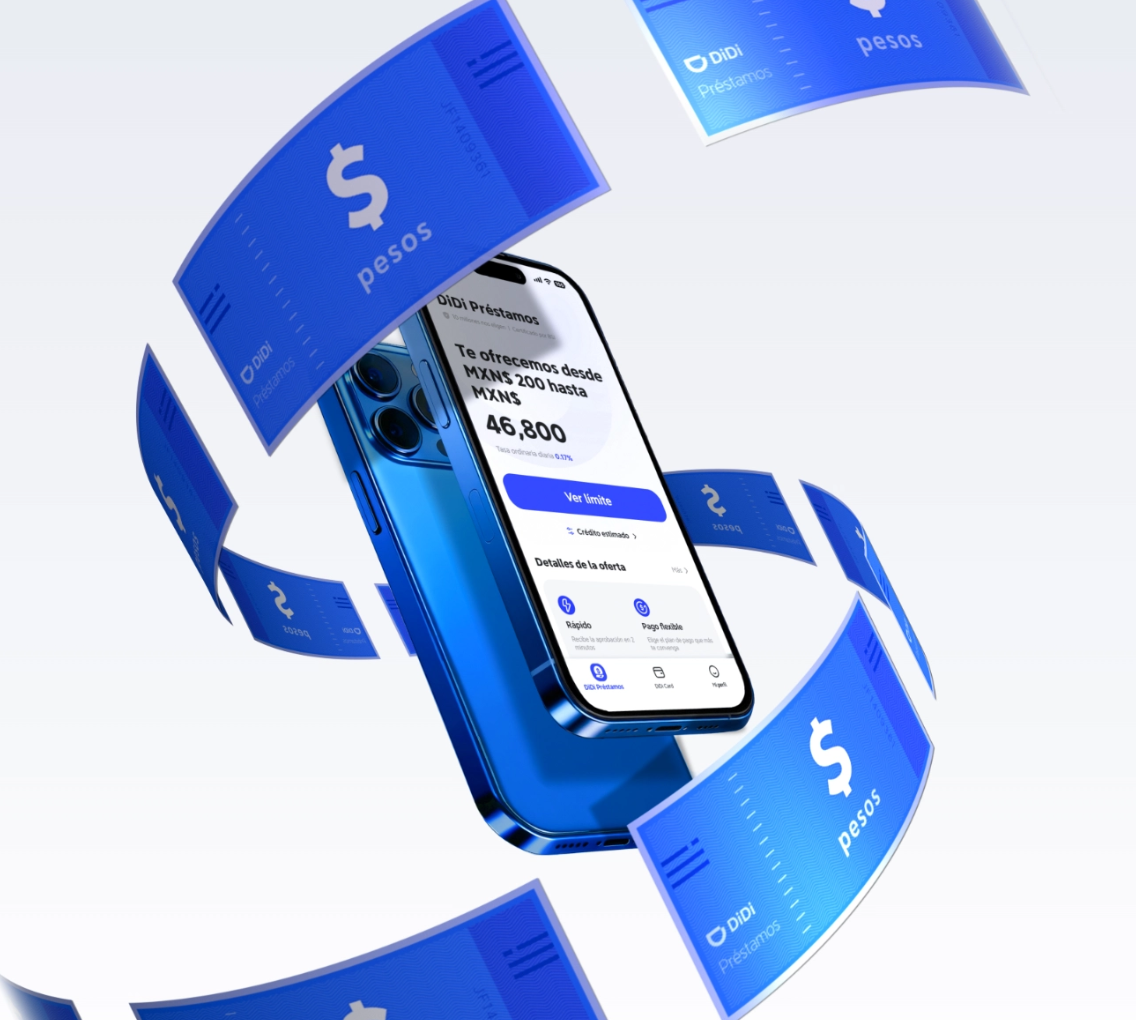
Market snapshot and positioning
Mexico’s payments landscape has shifted toward flexible payment instruments. Buy-now-pay-later (BNPL) offerings sit alongside traditional credit cards and digital wallets, each claiming different use cases and merchant covers. DiDi Finanzas has entered this mix with a tailored product set that integrates both installment credit and a branded payment instrument — see didi card — aiming to reduce friction at checkout while preserving merchant economics.
Comparative logic: BNPL, credit cards, and the DiDi proposition
BNPL typically emphasizes short-term installments, low onboarding friction, and front-end merchant integration. Credit cards continue to deliver revolving credit, broader consumer protections, and established dispute resolution. DiDi Finanzas positions its tarjeta as an intermediate solution: it offers installment mechanics familiar to BNPL users while providing the networked acceptance and programmatic controls of a credit card. This hybrid approach affects approval flows and underwriting — and is notable for its merchant integration via APIs and tokenization for secure transactions.
Technical architecture and merchant integration
The technical backbone matters for merchant adoption. DiDi Finanzas exposes APIs that allow real-time decisioning and a tokenized payment layer that reduces fraud exposure. Merchant integration typically requires web or point-of-sale changes, but when executed cleanly, it shortens conversion gaps and preserves authorization rates. From a developer perspective, the priorities are latency, robust error handling, and seamless fallback to alternative payment rails when an authorization fails.
Risk controls, underwriting, and compliance
Underwriting and risk scoring remain core differentiators. DiDi Finanzas combines behavioral signals with identity verification to determine eligibility thresholds. Compliance is governed by Mexican banking regulations and consumer protection rules; implementing dynamic risk bands and fraud detection reduces chargebacks and operational loss. Tokenization and secure customer authentication also reduce PCI scope for merchants and lower long-term compliance costs — a necessary technical trade-off for sustainable scale.
Adoption, consumer impact, and a real-world anchor
Adoption in Mexico accelerated after the 2020 public health crisis, when Banxico and national statistics agencies reported stronger demand for electronic payments and digital credit alternatives. Urban centers such as Mexico City saw especially rapid onboarding among ride-hailing and delivery customers, who value seamless payments. DiDi Finanzas leverages that behavioral pattern through loyalty alignment and targeted offers delivered through existing rider accounts — a practical path to adoption in markets with high smartphone penetration.
Alternatives, common implementation mistakes, and mitigation
Competitors include established digital wallets and specialized BNPL providers. Merchants sometimes make the mistake of treating BNPL as a marketing add-on rather than a product requiring pricing and fraud strategy adjustments — this leads to margin leakage and elevated default rates. Integration errors also occur when teams fail to plan for reconciliation flows and settlement windows; robust testing of API edge cases and a clear dispute workflow avoid these pitfalls. It is prudent to pilot with narrow product sets and iterate on risk parameters before broad rollout — a conservative approach that reduces operational surprises.
Summary and advisory metrics
Evaluate DiDi Finanzas and comparable offerings with three critical metrics: approval-to-sale conversion (captures underwriting tightness against sales impact), net merchant take-home after fees and chargebacks (captures true economics), and fraud-loss ratio post-tokenization (captures security effectiveness). These metrics provide measurable guidance for product managers and CFOs when deciding whether to adopt a tarjeta or an alternate BNPL integration.
Closing guidance
When selecting a partner, prioritize seamless merchant integration, defensible underwriting models, and transparent settlement terms. A disciplined evaluation against the three metrics above yields a clear view of short-term performance and long-term sustainability. DiDi Finanzas presents a hybrid model that resolves several operational tensions between BNPL convenience and credit card robustness — a pragmatic solution for merchants seeking mid-market scale and reliable authorization economics. –