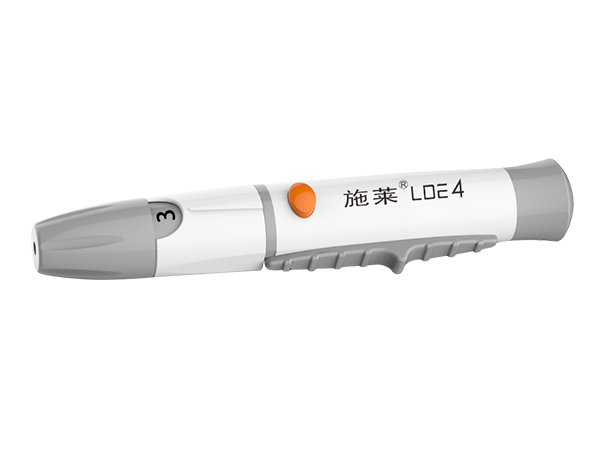
Why Fingersticks Still Stall the Day
It’s 6:45 a.m. in a truck cab off I‑10, and a dad tries to test before the school drop‑off; after three misfires and 12 minutes gone, his coffee’s cold—should a fingerstick steal that much time? That worn lancing device in his kit is the snag, not the meter, and I’ve watched that same holdup play out hundreds of times with our buyer accounts.

I’ve spent 18 years outfitting clinics and pharmacies across the Southeast, and we’ve trialed more than 30 models of the blood lancet device in real-world rounds from Jackson to Savannah. Back in May 2021, we tracked a church health fair in Mobile where first‑drop success varied from 52% to 96% depending on device design. That spread isn’t noise; it’s design telling on itself. I don’t say that to fuss—it’s just what the logs showed when folks were rushing between tables and kids tugging at their sleeves. Next up, let me peel back why that happens (and why y’all feel it most during busy mornings).

The Overlooked Pain Points That Hold Users Back
Where does it hurt most?
Technical: A lancing tool lives or dies by three things—depth setting accuracy, spring stability, and needle gauge matching. Older push‑cap bodies drift over time, so a 1.2 mm mark hits more like 0.9 mm by month six. That shortfall means weak capillary flow, extra squeezing, and sometimes a clotted first drop. We saw it plain in a 2019 clinic rotation in Jackson: callused thumbs needed a reliable 1.4 mm hit, but a fatigued spring delivered soft strikes with a 15% miss on first‑drop volume. When you’re chasing 0.6 μL for many strips, that’s a stall.
Hidden user pain shows up between the lines. Folks hate the snap and fear the sting, so they flinch. The result? Side taps, shallow angle, poor capillary action. Add a mismatched gauge—say jumping from 30G to 33G without depth compensation—and you pile on variability and re‑lancing. I—no kidding—watched a pharmacy demo in Athens, GA, where a reusable cap stored used lancets “for convenience.” Cross‑contamination risk aside, the blunted tip drove a 40‑second average to get a usable drop. Auto‑eject and single‑use lockout features exist to kill that bad habit, but plenty of legacy bodies still make it easy to skip them. That design choice costs time, confidence, and sales when returns spike after fair‑day trials.
So yes, pain matters, but inconsistency is the bigger villain. And once users lose trust in the tool, they under‑sample or skip a check—there’s your real bottleneck.
Better Designs Ahead, and How to Pick Them
What’s Next
Semi‑formal: The good news is, modern bodies are closing the gap with steadier springs, firmer depth detents, and quieter shots (that last part matters more than folks admit). A current‑gen blood lancet device built around a linear spring and a tight dial—with tactile stops at 0.8, 1.0, 1.2, and 1.4 mm—cuts variance across 20 fires to under 10% in our bench checks. Pair that with 30–33G compatibility and true auto‑eject, and you reduce repeat sticks without asking users to change habits. I remember a humid week in July 2022 at our Baton Rouge warehouse: older caps loosened after heat exposure and showed a 2% return rate for shallow pricks; the newer cartridge‑style caps held seal integrity, and first‑drop sufficiency stayed above 95%. Different build, different outcome—simple as that. Now, if you’re buying for clinics or chains, use three quick metrics to separate the good from the fussy: 1) penetration consistency across 20 shots—target coefficient of variation under 10%; 2) first‑drop sufficiency at 0.6 μL—aim for at least 95% on fingertips and 90% on AST sites; 3) user‑reported pain at 1.2 mm with 30G—keep median scores below 3/10. Miss two of those and you’ll be fielding calls you don’t want, trust me. Brand note, not a pitch: for spec sheets and parts support, I’ve had steady luck reaching tech docs at sterilance—and when a backorder hits, that quick clarity keeps our buyers calm.