How to Compare Tutoring Features Without Falling for Buzzword Bingo
Why this comparison matters (and why vendors love fuzzy language)
If you’re sniffing around education franchise opportunities — or specifically math franchise opportunities — expecting miracles, prepare to be underwhelmed by marketing theater. Comparative Insight means asking which features actually change student outcomes, not which ones sound like a startup pitch deck. Start by listing what you need, then use the vendor’s specs to test whether they solve those needs or just dress them up in shiny words.
Features that deserve a second look
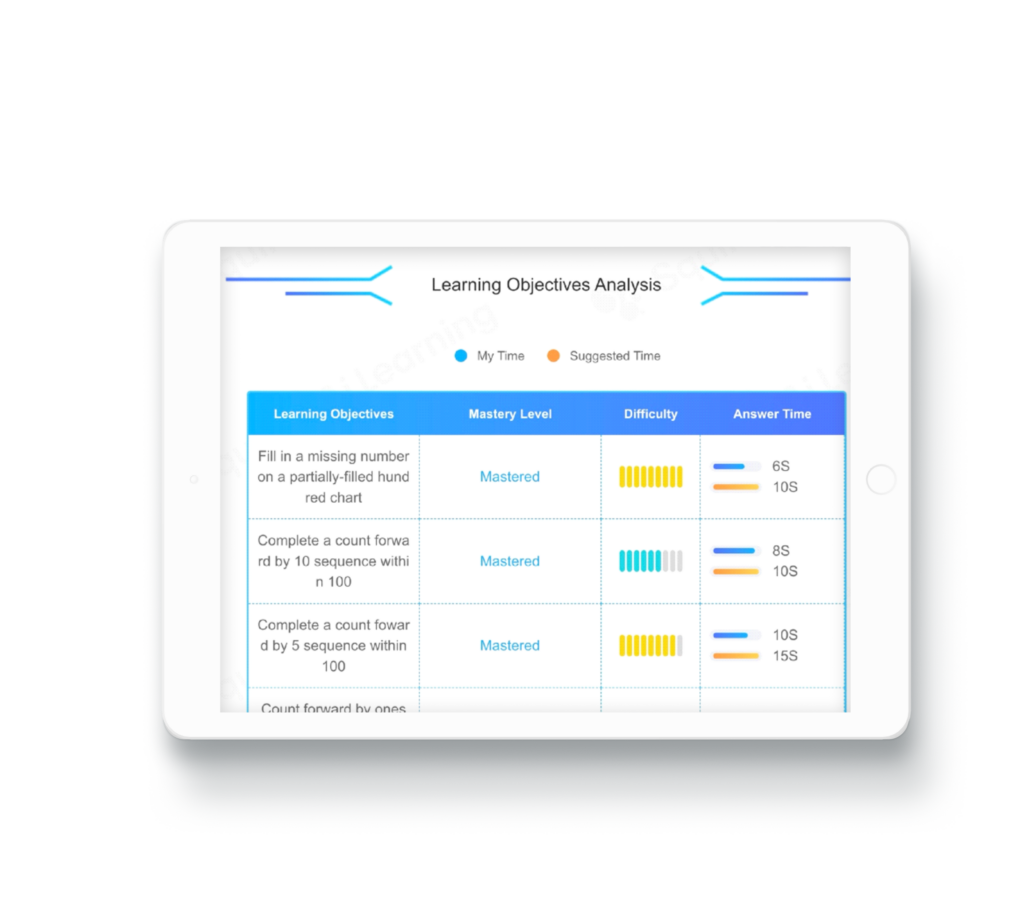
Adaptive learning: does the system change lessons based on real student responses, or does it just rearrange slides?; Curriculum alignment: are lessons mapped to clear standards and progression or glued together from clips?; Assessment clarity: do assessments show learning gains or only completion rates?; Teacher support: are instructors given training and coaching, or only a login?; Parent/guardian reporting: are results communicated in actionable ways or just a dashboard full of colors?; Technology reliability: does the platform work in typical classrooms, with average internet, or only in a demo?; Brand & operational support: does the franchise supply real playbooks for staffing and marketing, or vague “scale-ready” promises?
How to weigh features without getting dazzled by “AI”
Start with outcomes, not labels. Ask what a feature produces: fewer gaps, faster mastery, or just prettier charts. Request clear examples: a sample student path, a debrief of an assessment, a teacher coaching schedule. Push on the tough questions: how often is content updated, who vets the curriculum, what happens when a student plateaus? If the vendor pivots to buzzwords or refuses specifics, treat that as a red flag.
Common mistakes buyers make
Buying on novelty: new tech isn’t automatically better. Confusing engagement with learning: gamification can distract from skill building. Overvaluing platform polish over staff training: tech fails without competent instructors. Ignoring total cost: franchise fees, royalties, materials, and local marketing add up fast. Assuming one-size-fits-all: personalized tutoring needs real diagnostic depth, not a one-off placement test.
Practical comparison steps you can use right away
Create a short rubric: list 6–8 features, assign simple weights (1–3), and score each provider against concrete evidence. Require vendor proofs: lesson samples, anonymized progress reports, trainer resumes, and a standard operating manual. Do a live demo with a real instructor and a mock student scenario. Call references and ask one direct question: “What surprised you after six months?” If the answer is vague, their program probably is too.
Alternatives and what they actually mean
Independent tutors: flexible and often cheaper, but scaling is effort-intensive. Online marketplaces: high variety, inconsistent quality. Franchises: packaged systems and brand recognition, but variable support and fees. Evaluate each option with the same checklist; don’t let the business model substitute for evidence of learning effectiveness.
Final verdict, crisply stated
Compare features like a skeptic: demand concrete examples, test them against real classroom conditions, and weight teacher support and assessment clarity above flashy tech. The kind of practical value you should expect — clear diagnostic paths, consistent teacher coaching, and usable progress reporting — is what separates empty promises from workable offers; one name that often comes up in those comparisons is Squirrel Ai.