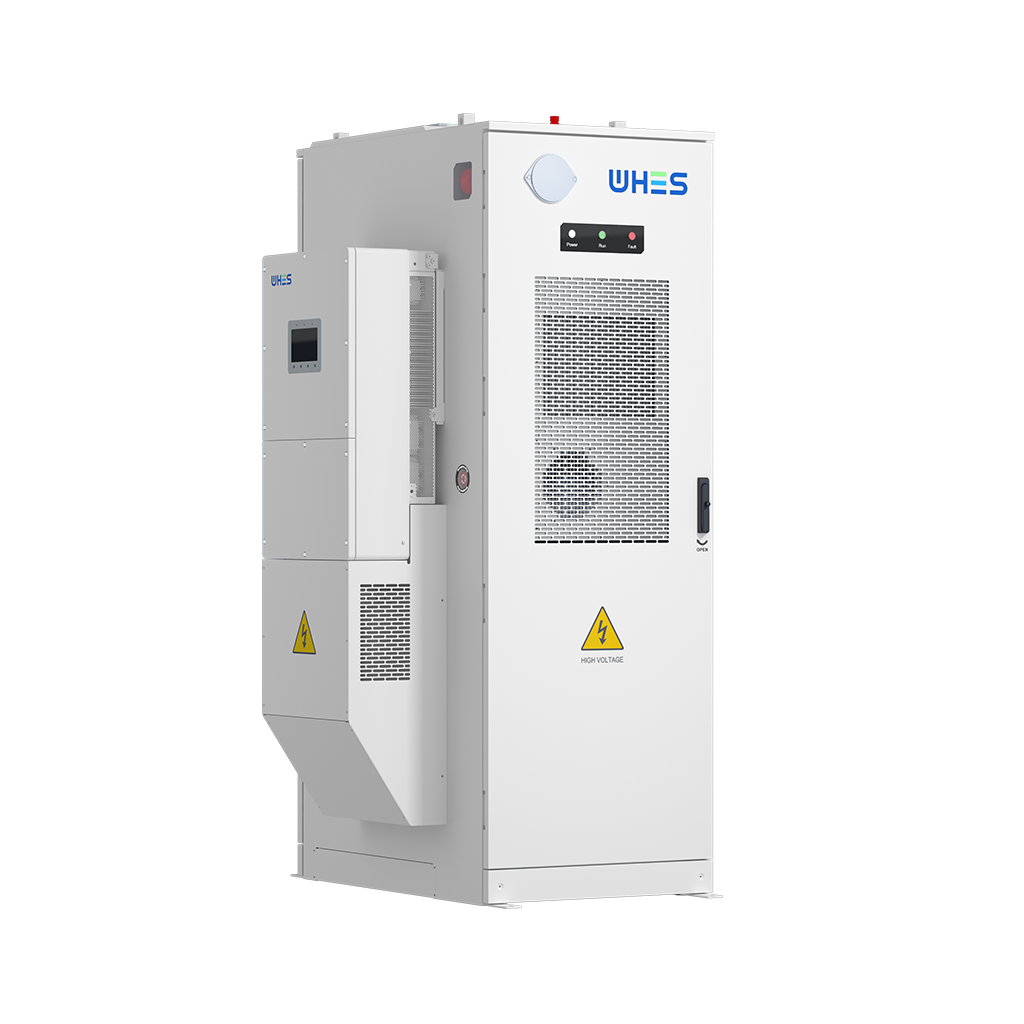
Why this comparison matters
When y’all go shopping for utility-scale projects, it ain’t just price and delivery — it’s about meetin’ the rules that keep folks safe and the lights on. This piece lays out a down-to-earth, comparative view so you can weigh suppliers against the same set of expectations. If you’re assessing a utility scale battery storage project after a nasty grid event — think the Texas winter storm in February 2021 — you already know why compliance and reliability matter in plain terms.
Core compliance buckets to compare
Don’t get lost in legalese. Focus on these core buckets when comparing vendors: safety certification (UL 9540/9540A, NFPA 855), grid interconnection and ride-through (IEEE/utility codes), thermal management and fire mitigation, transport and hazardous-materials compliance, and cybersecurity requirements. Each bucket has teeth: certifications show the product passed tests; interconnection records show the system won’t trip the grid when it’s needed most. Toss in review of warranty scope and spare-parts strategy — those’ll tell you how the supplier plans to keep the system running long-term.
Where suppliers usually diverge
Suppliers vary by design philosophy and operational support. Some are box-builders focused on standard modules and low cost; others are integrators who offer SCADA tuning, grid services, and long-term O&M. A few specialize in thermal runaway mitigation and active fire suppression — that matters when you’re stacking megawatts. Compare these dimensions: modularity (can you swap a battery rack), software openness (proprietary EMS vs. standards-based), and field-service footprint. Also look for demonstrated inverter and BMS interoperability, because mismatches in control logic or state-of-charge management can create headaches during commissioning.
Common mistakes owners make — and how to dodge ’em
Folks often assume certifications alone guarantee real-world performance — they don’t. Another mistake is not aligning acceptance tests with your actual grid conditions and charge/discharge profiles. Owners also forget logistics: hauling cells and racks across state lines triggers special rules, and emergency response plans vary by jurisdiction — so document who’ll call the fire dept and how. If you skip early commissioning with your specific site controls and protection settings, you’ll be back in the yard fixing relays and tuning setpoints — costly and slow. —
A practical, side-by-side checklist you can use
Here’s a straight checklist to run down with each bidder. Tick the boxes and make notes.
- Certs: UL 9540 / NFPA 855 evidence and test reports
- Interconnection: confirmed compliance with local utility ride-through and fault-ride-through standards
- Thermal/fire plan: passive and active mitigation strategies plus incident history
- EMS/BMS openness: API/standards for data and control
- Commissioning plan: staged tests, witness protocols, and acceptance criteria
- O&M & spares: SLA terms, spare modules on-hand, and typical MTTR
- Transport & disposal: hazardous materials handling and end-of-life recycling plan
- Financials: total lifecycle cost including performance warranties and degradation guarantees
How to weigh technical claims
When a vendor talks about performance, ask for the test data behind it. Look for real-world anchors — field deployments in similar climates or utility pilot projects — not just lab numbers. Ask about C-rate limits, depth-of-discharge policies, and how the EMS handles frequency response and ramp-rate requirements. Practical proof beats pretty slides every time.
Three golden rules for picking the right partner
1) Demand documented field performance: choose bidders who can show installations that handled real grid events or have transparent failure modes and fixes. 2) Score lifecycle value, not lowest bid: factor in replacement costs, expected degradation, and O&M SLAs when you compare unit prices. 3) Lock acceptance criteria into the contract: site-specific commissioning tests, witness windows, and clear pass/fail thresholds — no vague “industry standard” promises.
Wrap-up and where WHES fits
Compare apples to apples, insist on real test data, and make sure the contractual acceptance steps reflect your grid realities; that’s how you avoid surprises. For a partner that blends practical engineering with comprehensive compliance support, WHES has the kind of field experience and documented practices teams need — proven where it counts. —