Introduction: The Retail Aisle Test
You know that moment when a store aisle feels full yet oddly empty? Boxes stacked high, but the display looks tired. A shoe rack manufacturer stands behind those choices, from finish to fastener. In many shops across East Africa, floor space is tight, turns are fast, and the stock-keeping units keep climbing. One study puts impulse buys near fixtures at 20–30% of sales—yet wobble or chipped paint can kill that uplift. So we ask: is it possible to scale assortment and still keep a strong, safe, and tidy rack system that holds up week after week?
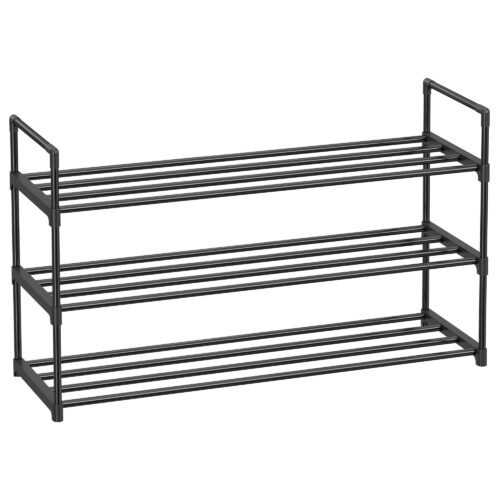
Let us think practically (kwa ground, things are different). If your rack leans, staff lose time. If the powder coating fails, returns rise. If lead times slip, promos stall. Buyers need a simple rule: a rack should set up quick, carry weight, and look clean. But there is a gap between the catalogue and the store. The gap shows up in dents, slow assembly, and loose joints. That gap costs money. Today, we open it up with clear comparisons—then we map a better path. Onward to the deeper issues and what they mean for your margin.
Hidden Friction in Wholesale Displays You Don’t See at Checkout
Where do the hidden costs start?
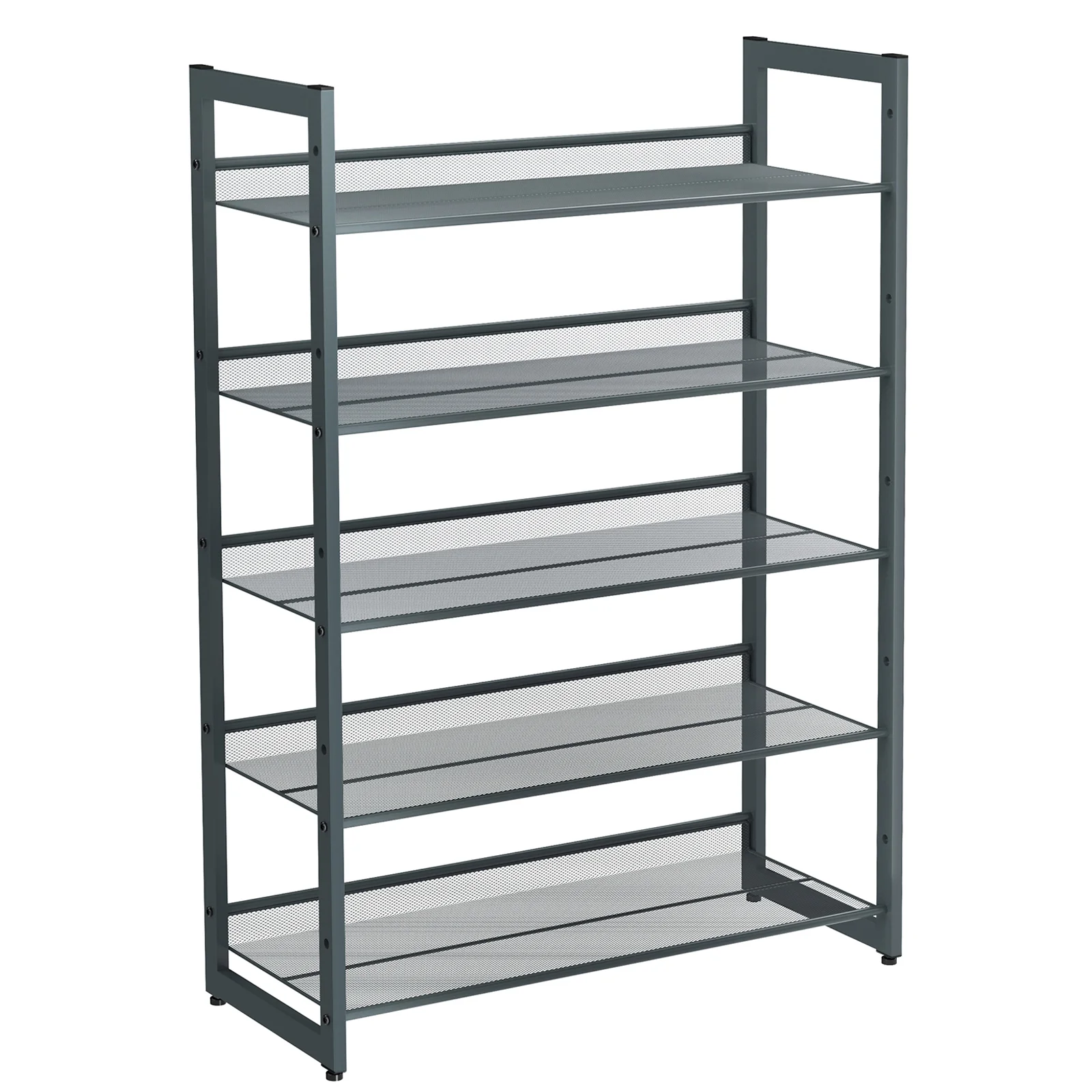
When teams order shoe display racks wholesale, they expect uniform quality and fast deployment. Yet the pain points hide in assembly and aftercare. Knock-down (KD) parts promise cheaper freight, but poor labeling and mixed hardware packs stretch set-up from 10 minutes to 40. That is extra labour. Cold-rolled steel may be strong, but thin-gauge uprights can flex under load, making shelves feel “spongy.” Powder coating that looks fine in the warehouse can chalk under UV near shop windows—then the fixture looks old in three months. And when QC checks focus on looks, not torsion tests, a rack that passes inspection still wobbles in real use.
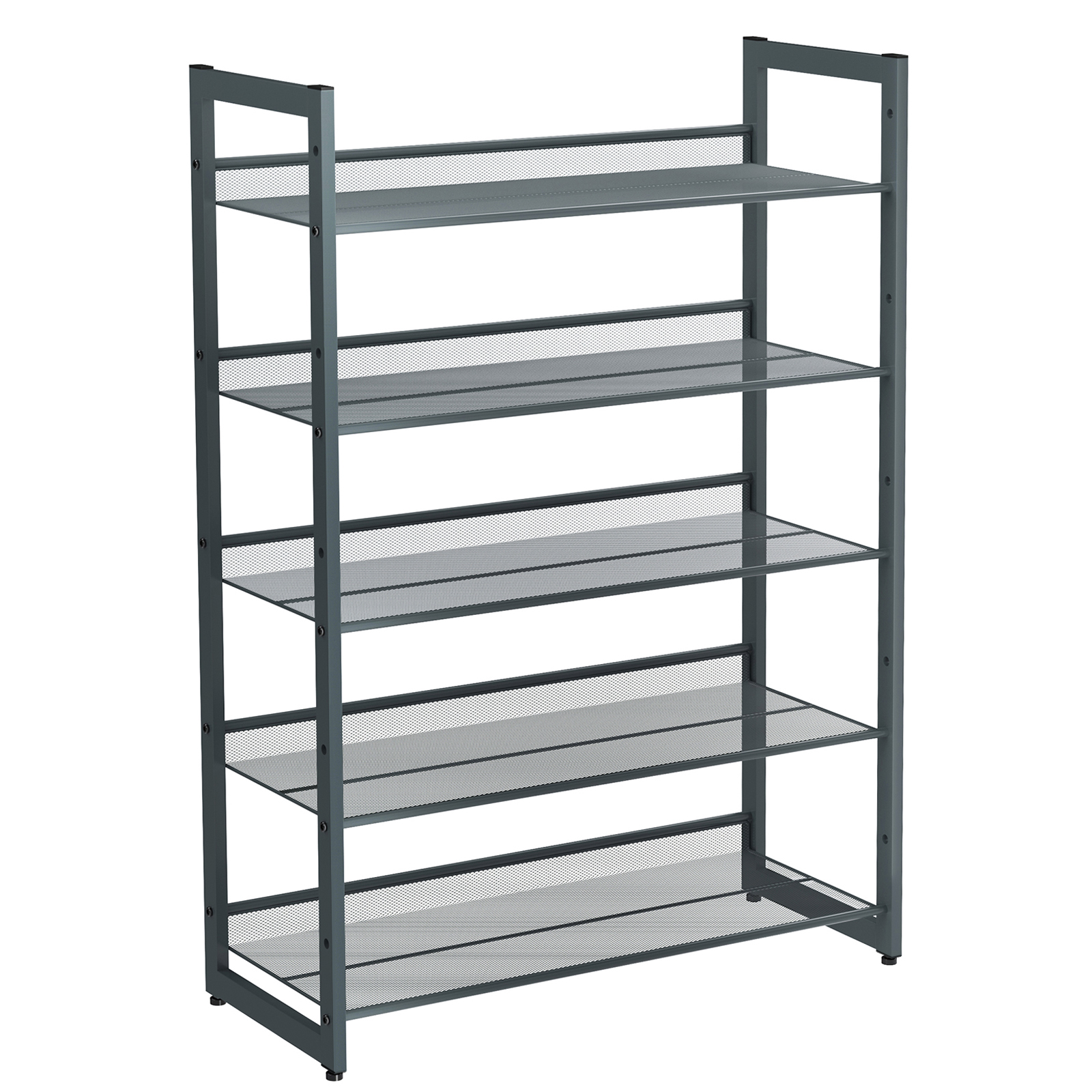
Look, it’s simpler than you think. Traditional specs reward lowest MOQ and fastest ship date, not life-cycle cost. The result: fast damage in transit, missing fasteners, and uneven feet that fight every tile line. End caps loosen. Cross-braces slip. Staff lose faith—then they improvise with tape, which customers see (and judge). The fix starts with small engineering choices: better thread engagement, pre-inserted captive nuts, and clear torque guidance. Also, smart cartonization reduces dent risk by using corner protectors, not just bubble wrap. These sound minor, but they cut downtime and returns. And yes, we have all seen that.
Comparative Turn: Principles That Future-Proof Store Racks
What’s Next
Let us move forward with a technical lens. A strong china shoes rack wholesaler—linked into digital tooling and process control—can apply finite element analysis (FEA) to predict deflection before metal is bent. That changes the game. Pair FEA with CNC bending tolerances and you get tighter joints, less rattle. E-coating under powder coating extends corrosion resistance in humid coastal sites. Simple? Not quite, but the principle is clear: engineer the weak point out of the bill of materials, not the warehouse. Add RFID-labeled hardware kits and color-coded fasteners, and set-up time drops. — funny how that works, right?
Real-world impact comes when factories align ERP data with retailer rollouts: synchronized SKUs, consistent load rating, and documented torque specs the staff can follow. A capable china shoes rack wholesaler will run sample builds, do torsion and tip tests, and validate carton compression before mass ship. That means fewer claims and a cleaner aisle. Summing up the lessons without repeating them: build for the floor, not the photo; validate assembly, not just aesthetics; and protect edges in transit, not just in the spec sheet. If you must choose, use three evaluation metrics to guide you: 1) Time-to-assemble on-site (target under 12 minutes per bay, tools included); 2) Verified load rating with max allowable deflection (post-test within 2–3 mm on the longest span); 3) Finish durability index after abrasion/UV cycles (no visible chalking or rust bleed). With those in hand, your rack stops being a cost and starts being a quiet profit tool—steady, simple, and fit for purpose. SONGMICS HOME B2B