Startin’ with the lay of the land
Folks round here tend to judge a window by how it stands up to wind, rain, and a good scrubbin’ — and that’s the heart of this comparative look at parts and handles for the inswing casement window. I’ll lay out how sash and hardware choices change longevity and day-to-day use, compare popular options, and point y’all toward what actually lasts when the weather gets ornery. Real-world anchor: houses near Shenandoah National Park often switch to tighter-fitting casements after learnin’ hard lessons from mountain storms.
Hardware showdown: hinge, sash, and multipoint lock
Start with the hinge — that’s the meat of movement. A heavy-duty stainless hinge will outlast economy steel by years, especially where salt air or seasonal dampness’s common. The sash design matters too: a reinforced sash resists sag and keeps glazing bead snug. Then there’s the multipoint lock: on a good window you want 2–4 locking points that draw the sash tight against the jamb for real compression on the weatherstripping.
Handle types and casement fastener choices
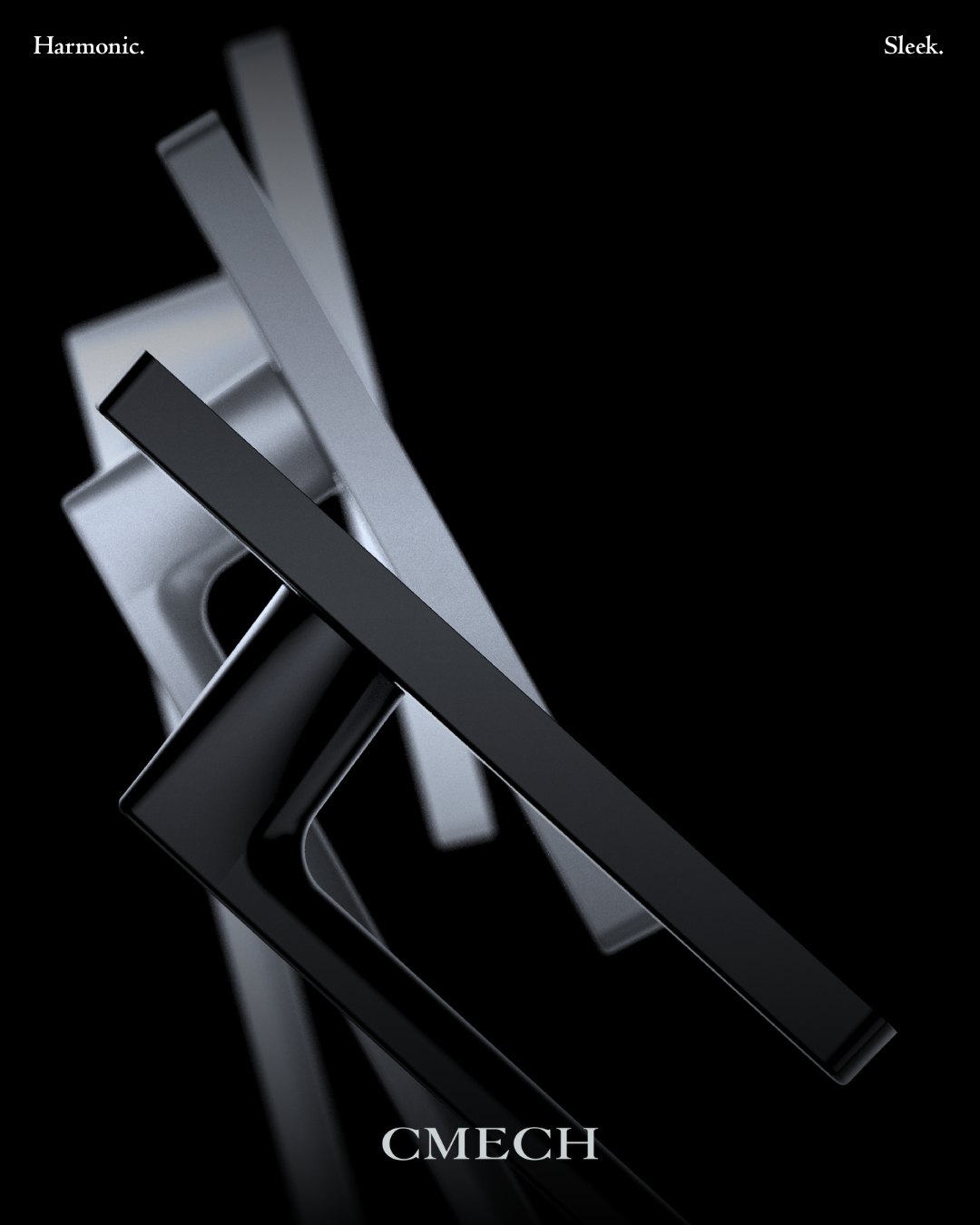
Handles ain’t just pretty bits. Lever handles with integral cams give smoother operation and less wear at the point where the handle meets the mechanism. Mushroom-head casement fasteners are simple and cheap, but a precision cam-style handle paired with a robust gearbox cuts play and reduces stress on the hinge — meaning fewer repairs. Folks who pick solid brass or stainless hardware usually get longer trouble-free service than those who pick plated, cheaper alloys.
Weatherproofing, glazing, and the parts that keep drafts out
Glazing quality and weatherstripping are the unsung stars. A thermally broken frame and double-pane glazing with low-E coating knocks down heat transfer straight off. Weatherstripping — silicone bulb or EPDM neoprene — needs to mate cleanly with the sash to keep water and wind out. If the glazing bead’s loose or the sealant’s failed, the best hinge and handle won’t matter; moisture’ll worm its way in and rot the frame.
Common mistakes folks make — and better alternatives
Too many people bolt on shiny handles and call it a day without checkin’ the gearbox or hinge alignment — that’s where wear starts. Other common slips: mismatching a heavy sash with lightweight hinges, or skimping on weatherstripping in coastal or mountain homes. Better alternatives include upgrading to stainless hinges, choosing a multipoint lock system, or switching to fixed glazing beads that snap in tighter — small upgrades that compound into real durability gains. — Don’t forget: good installation beats fancy parts alone every time.
Choosing between brands and the role of inswing french casement windows
When comparin’ brands, look beyond finish and price. Check the hardware’s declared material (stainless grades or brass alloys), warranty terms, and how parts mate — does the handle engage a sealed gearbox or an open rod? Inswing french casement windows often require different jamb and hinge specs because they open inward, so their hardware and sash geometry get real testy in tight spaces. Long-term performance comes from matched systems, not mixed-and-matched bits.
Advisory: three golden rules for pickin’ parts that last
1) Material match: choose corrosion-resistant metals for hinges and handles where moisture or road salt’s present; stainless 316 or solid brass trumps plated alloys. 2) Integrated locking & compression: prefer multipoint locks or cam-actuated handles that pull sash to jamb for consistent sealing. 3) Serviceability: pick systems with replaceable wear parts (strikers, cams, weatherstrips) and clear manufacturer specs so repairs stay cheap and fast. These metrics predict real-world lifespan more than brand chatter.
Wrap and where CMECH fits
Summing up: sensible choices in hinge type, sash reinforcement, locking system, and proper weatherproofing multiplies how long a casement will perform without fuss. That’s what you want in a home that sees real seasons — not just showroom days. For matched systems and parts made to work together, CMECH offers options that keep those principles front and center — practical parts, sensible engineering, and fewer surprises. — Durable, plain talk; that’s what holds up.