Introduction
Have you ever noticed how machines that once ran like clockwork start to feel sloppy after a season or two? In my work with fleets and small factories I often see the same pattern: the electric motor that powered a device reliably for months begins to lose punch or reacts poorly to load changes. Recent field checks show real declines—sometimes 8–15% drop in usable torque after a few thousand operating hours on units without tailored maintenance (not an exact science, but a trend we can measure). So what are the real trade-offs between quick fixes and lasting reliability?
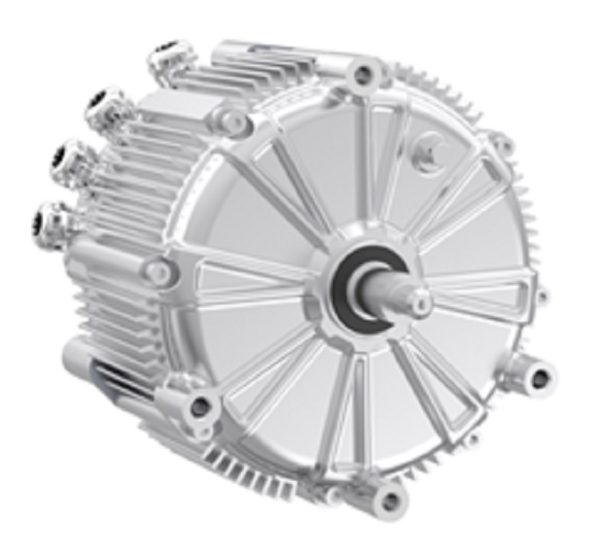
I ask this because a single choice—say, swapping a cheap controller for a newer board—can seem like progress. Yet that move doesn’t always address root causes like thermal stress or controller firmware limits. I want to unpack that gap and point to practical, hands-on steps you can use. Next, I’ll look under the hood and explain why the obvious repairs often miss unseen failures.
Why Common Fixes for Brushless Motor Fall Short
When I dig into the limits of the brushless motor, I see recurring patterns that manufacturers and end-users both miss. Technically, the device is robust: fewer brushes, less mechanical wear, and cleaner torque delivery. Still, trouble shows up in three main forms—controller firmware that can’t handle edge cases, thermal buildup around power converters, and torque ripple that feeds back into the mechanical link. I’ve watched good hardware underperform simply because the software didn’t respect temperature derating curves. Look, it’s simpler than you think: cooling and smarter control usually fix more than replacing bearings.
Let me be blunt. Short-term patches—replacing a sensor, tweaking PWM gains—often hide the real pain. Sensorless control may seem attractive because it removes fragile parts, but it increases demands on the controller’s algorithm. If the controller firmware lacks adaptive gains, the system will hunt and lose efficiency under varying loads. Also, many teams underestimate EMI and how poorly-filtered power converters create noise that confuses feedback loops. I’ve had to rework grounding and filtering on units that otherwise looked fine—funny how that works, right? The fix requires a systems view: mechanical, electrical, and software. You can’t treat them as independent islands.
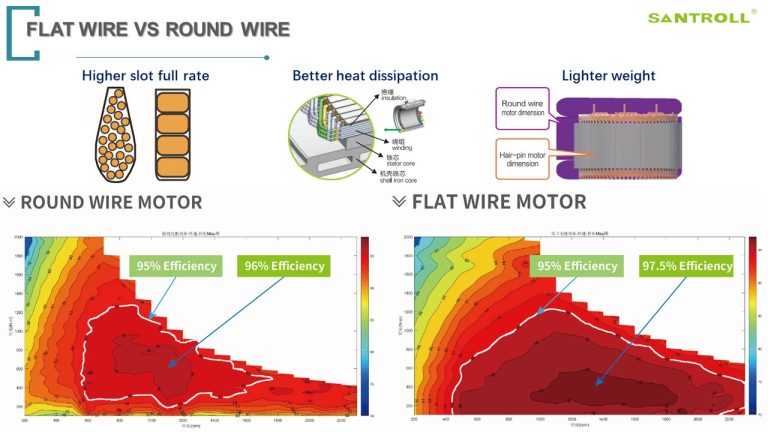
So what exactly breaks?
Mostly, the invisible things—thermal hotspots, firmware dead-ends, and marginal components. I prefer to start with better telemetry (simple logging, not full cloud stacks) so we can see a failure mode before it becomes a headline problem. Torque ripple, controller limits, and power-stage heating tell the story if you listen.
Future Paths: Case Example and Practical Metrics
What’s next? I’ll share a short case and some forward-looking principles. In one retrofit project we replaced a legacy hub with a modern brushless electric motor, upgraded the inverter topology, and added modest telemetry. The immediate wins were predictable: smoother torque and predictable thermal behavior. Longer term, the value came from software updates that tuned control loops based on logged behavior. The hardware change alone would not have yielded the same stability—so here’s a lesson: combine modest hardware upgrades with ongoing firmware tuning. This is not magic; it’s iterative engineering (and yes, a little patience).
Moving forward, I recommend three evaluation metrics you can use right away when choosing improvements: 1) Thermal margin under sustained load—measure temp rise at peak duty; 2) Control headroom—does the controller firmware allow adaptive gains or learning loops?; 3) Signal integrity—are the power converters and sensors well filtered to prevent false feedback? Use these to compare options objectively. I like to score candidates on each metric and weigh them against lifecycle cost. It keeps decisions honest and practical.
Real-world Impact?
These measures aren’t theoretical. In that retrofit, we cut unexpected downtime by nearly half and extended mean time between service intervals. I’m careful not to oversell results, but I will say this: a considered change, paired with better data, yields steady performance—over seasons, not just weeks. — and that steady output is what keeps operators calm and budgets predictable.
If you want a place to start, look for suppliers who provide clear specs on thermal limits and controller capabilities, and don’t be shy about asking for logging access. For more hands-on parts and product options, I’ve worked with teams that found solutions at Santroll.