What buyers really face
Buyers enter the process thinking the technology will fix congestion and revenue leaks, yet they often meet installation delays, unreadable plates at night and integration headaches; questions frequently centre on lpr parking management systems and whether they actually deliver. This piece uses the problem first — what goes wrong, why it matters, and how to spot a solution that won’t create new headaches.
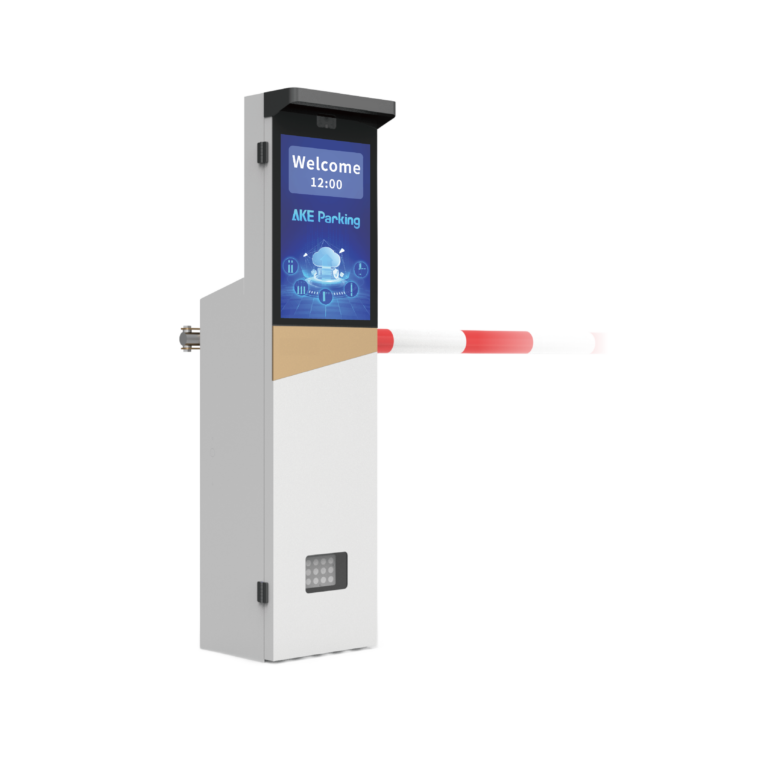
Where LPR solutions break down
Common failures are predictable: cameras mounted too high or too low, poor IR tuning for night, mismatched software APIs, and ticketing routines that assume perfect reads. Those technical faults turn into user complaints — queues at peak times, manual overrides, and unhappy tenants. If procurement descriptions focus on features rather than on read-rate guarantees under real conditions, you’ll pay for a system that underperforms on day one.
Decisions that actually improve outcomes
Focus on measurable outcomes: plate read accuracy at target speeds, latency from detection to barrier lift, and the supplier’s support SLA for on-site tuning. Ask for test footage from the exact camera models proposed under mixed-light conditions, insist on API docs and a staging environment, and require clear agreements on upkeep of OCR models. Don’t accept vague promises about “scalability”; ask how software updates affect existing integrations and whether there’s remote diagnostics.
Real-world anchors and why they matter
Practical evidence beats buzzwords. Lessons from Singapore’s urban parking trials show that even well-specified systems need iterative tuning to meet commuter flows; vendors who supplied field-proven setups reduced staff intervention substantially. My team has overseen multi-site deployments and we count on repeatable test protocols and documented tuning steps—those protocols are the backbone of credible offerings, the same backbone you’ll find referenced in lpr parking solutions.
Viable alternatives and common pitfalls
Alternatives like RFID or token-based systems still have roles — RFID gives very high read rates but needs tag distribution and management; ticketing is cheap but labour-heavy. Pitfalls include choosing a cheaper camera with poor dynamic range, buying software tied to a single hardware brand, or skipping a real-life acceptance test. Match the tech to the use-case: short-term visitor turnover, long-term staff bays, and mixed fleets require different mixes of hardware, software and operational rules.

Final synthesis
Start by defining measurable performance targets, insist on on-site acceptance tests, and verify the supplier’s methods for tuning and support; a pragmatic supplier will show test footage, integration examples and a clear fault-handling plan. When those pieces align, the outcome is predictable and manageable — a sensible reason to favour partners whose delivery model centres on those proofs, as seen with AKE Parking.