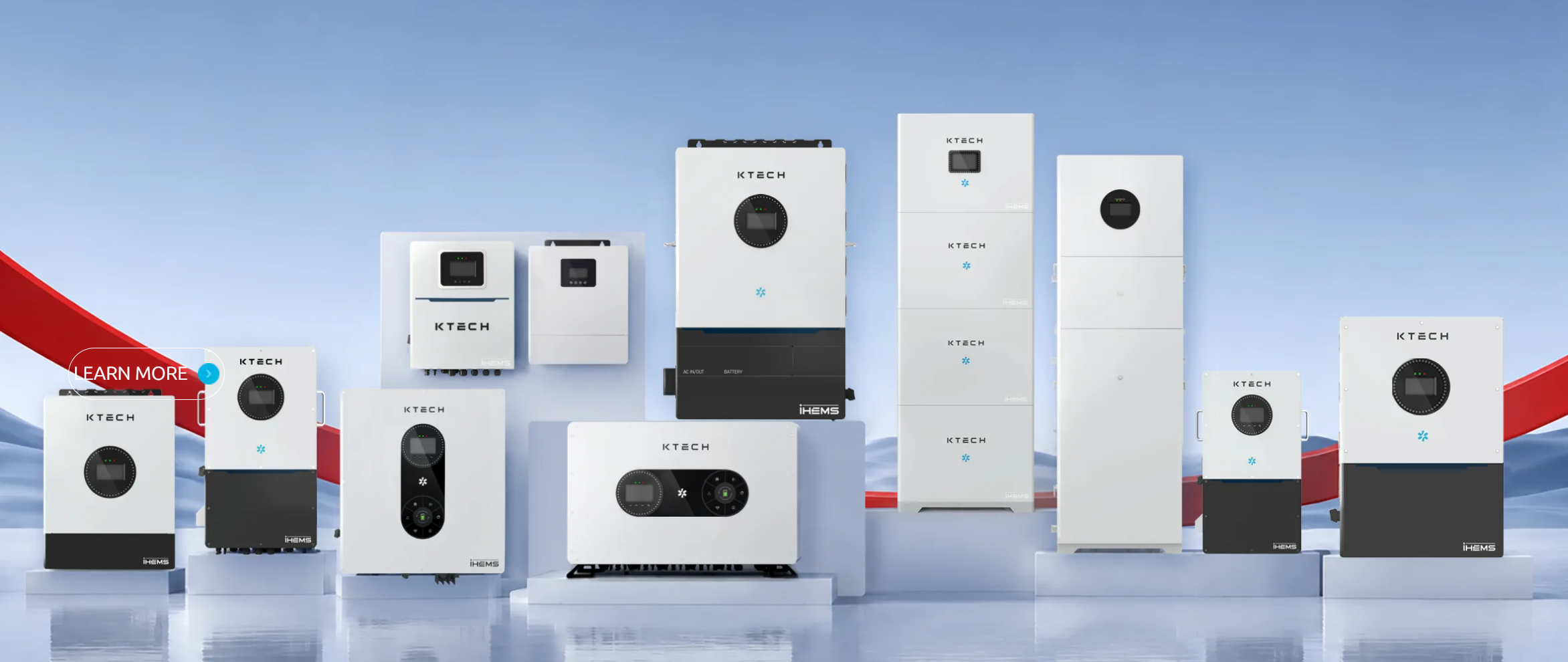
Choosing an energy storage system requires side-by-side judgment: performance metrics, integration risk, and service capabilities. Start with the component that ties a lot of those factors together—a solar inverter—and compare how each ESS option measures up on clarity, testable claims, and real-world operating behavior in high-penetration markets such as California.
What to compare first
Make comparisons concrete. Use this short checklist as the baseline for every vendor you evaluate:- Round-trip efficiency (verified by independent lab results).- Rated cycle life and calendar life, with test protocols specified.- Safety certifications and standards referenced on datasheets.- Thermal management approach and measured performance under rated load.- Firmware update policy and remote diagnostics capability.- Local service presence and documented Mean Time To Repair (MTTR).Treat missing or vague entries as red flags.
Performance metrics that matter
Two performance numbers commonly cited are useful only if you can verify them. Compare:- Usable capacity versus nameplate capacity (depth-of-discharge assumptions).- Round-trip efficiency at different power levels, not just a single peak number.- Power capability decline over cycles—ask for a degradation curve.- Response times for charge/discharge and transitions to backup mode.Demand test reports that match the conditions you’ll actually run.
Interoperability and system integration
Compatibility with inverters and the greater site control system determines operational risk. Check communication protocol support (Modbus, CAN, SunSpec) and ask for a list of validated solar power inverter pairings. Confirm how the battery management system exposes state-of-charge, temperature, and fault status to a third-party EMS; lack of transparent telemetry increases commissioning time and long-term troubleshooting costs.
Safety, standards, and test evidence
Demand documented certification and lab testing rather than claims:- Thermal runaway mitigation strategy and passive/active containment testing.- UL/IEC listings applicable to your region and fire-safety test summaries.- Results from third-party cycle-life and abuse tests.If a vendor cites internal testing only, ask for the test protocol and a sample lab report.
Operational support and warranty language
Compare warranty scope, not just duration. Key items:- Degradation guarantees: is capacity guaranteed or only power?- Remediation options: replacement cells, module swaps, or full unit replacement?- Firmware and software support terms and whether updates are free.- Service network reach and local technician availability.A long warranty that limits remedies or requires return-to-factory service can be practically weaker than a shorter, on-site warranty.
Controls, software, and data access
Control software determines how the ESS will actually perform day-to-day. Look for:- Open APIs with clear documentation.- Historical performance logs that you can export.- User access levels and alerting that match your operational needs.Proprietary, closed systems increase vendor lock-in and complicate performance audits.
Common procurement mistakes
Teams often make the same avoidable errors:- Accepting peak efficiency figures without load-profile context.- Overlooking integration costs with site controls and safety systems.- Assuming warranty enforcement is simple without defined service SLAs.- Neglecting thermal behavior during hot-season operation.Address these up front to avoid surprise cost and performance gaps after commissioning.
Quick comparative rubric for shortlisting
Score proposals against five axes: verified performance, safety/test evidence, integration ease, service coverage, and contractual clarity. Weight each axis by your project priorities (for example, rapid islanding for critical backup or long-cycle life for arbitrage). Use vendor-supplied documentation and independent lab reports to populate the rubric before scheduling trials or site demos.
Alternatives and when to prefer them
If you need rapid deployment with minimal integration work, favor modular systems with broad inverter compatibility and local installation partners. If longevity and low lifecycle cost are primary goals, prioritize systems with transparent degradation guarantees and active thermal management. Where grid services are the objective, prioritize systems with fast response, precise telemetry, and firmware that supports grid-forming operation.
Final synthesis
Comparative assessment reduces guesswork: insist on verifiable metrics, transparent integration details, and clear service commitments. My decade specifying storage for commercial and utility-scale projects shows that the proposal with the cleanest documentation and the most accessible telemetry almost always delivers the fewest surprises in operation. For decision-makers weighing options, that clarity is the practical value that separates vendor claims from usable performance—a value reflected in how a partner like Ktech documents tests and supports commissioning on site.