The problem that won’t wait
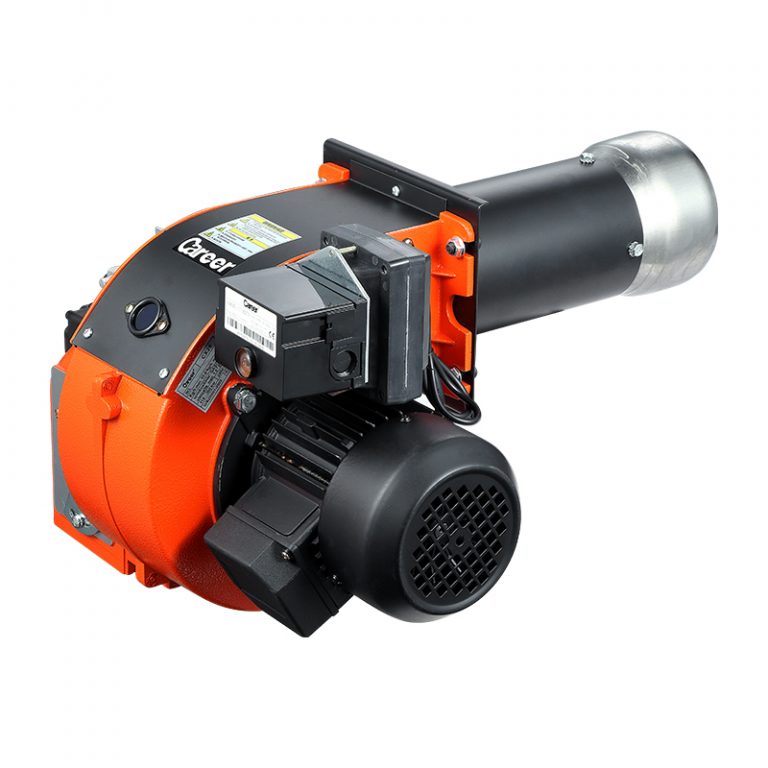
Adopting methanol stoves across a region is not a neat checklist — it’s a pressure cooker. Facilities still running legacy burners face supply gaps, regulatory friction, and retrofits that cascade into downtime. Many operators lean on familiar gear: an industrial oil burner today still shapes procurement choices tomorrow. The question isn’t whether methanol works technically; it’s whether you can manage the change without igniting operational havoc.
Core obstacles, laid bare
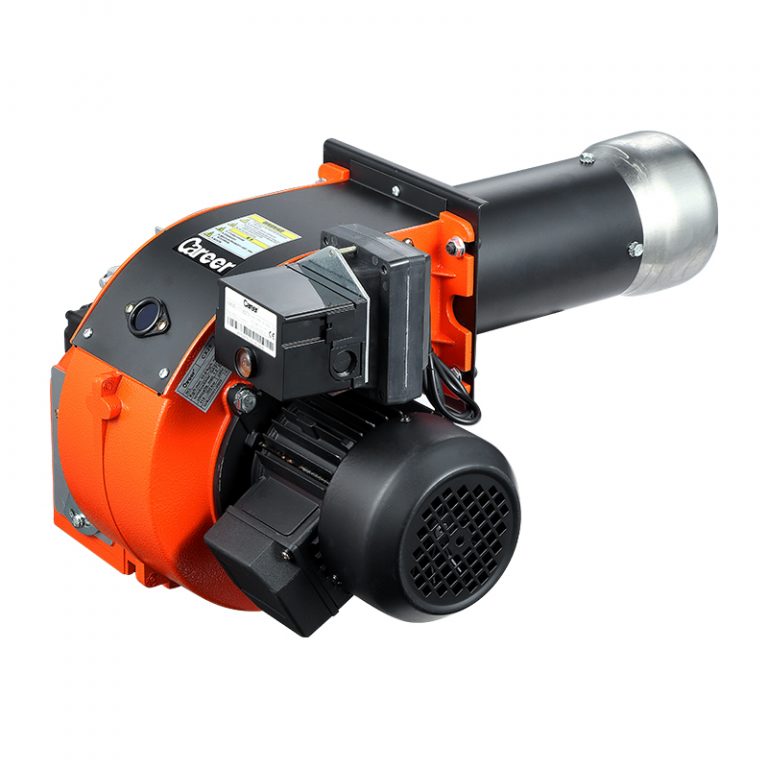
Fuel availability differs by city and port. Codes vary by municipality. Staff training is uneven. Those three facts alone stop projects cold. Equipment mismatches — injectors sized for heavy oil, seals that swell with alcohols, pumps not rated for methanol — create hidden failure points. Each region stacks these risks differently. You solve the first problem, another pops up.
Practical retrofit checklist
Start with the combustion envelope: confirm flame temperature and heat distribution for your load profile. Inspect wetted materials for alcohol compatibility; stainless steel and fluoropolymers handle methanol better than older elastomers. Match pumps and seals to methanol’s viscosity and solvent properties. Adjust atomizers and nozzle sizes for finer sprays. Integrate real-time oxygen and CO monitors; they flag incomplete combustion before emissions limits do. Test on a small, instrumented line first — then scale.
Safety mistakes that keep repeating
People underestimate storage and vapor risks. Methanol is corrosive to some metals and toxic by ingestion — treat containment like a main system, not an afterthought. Don’t assume existing leak detection or ventilation suffices; alcohol vapors need different sensor placement and alarm thresholds. Another common error: retrofitting only injectors while leaving old control logic unchanged. That yields poor modulation and soot. Plan for mechanical and control changes together.
Alternatives worth weighing
Natural gas and LPG sidestep some material-compatibility issues but may not be available at scale in certain regions. Hydrogen offers low emissions but triggers full-system redesign and different safety regimes. Blends — methanol mixed with conventional fuel — can reduce immediate risks but complicate metering and emissions reporting. Choose what your region can support, not just what looks cleaner on paper.
Real-world anchor and what it teaches
Regional lessons come from oil hubs where retrofit priorities and supply chains concentrate. In U.S. Gulf Coast facilities, for example, engineers routinely compare legacy fuel oil burner layouts with methanol-ready systems to estimate downtime and parts lead times. Those comparisons show two repeatable truths: first, vendor lead times drive schedule risk; second, training and documented start-up plans cut commissioning time in half. Use those lessons when you map your regional rollout.
A pragmatic path forward
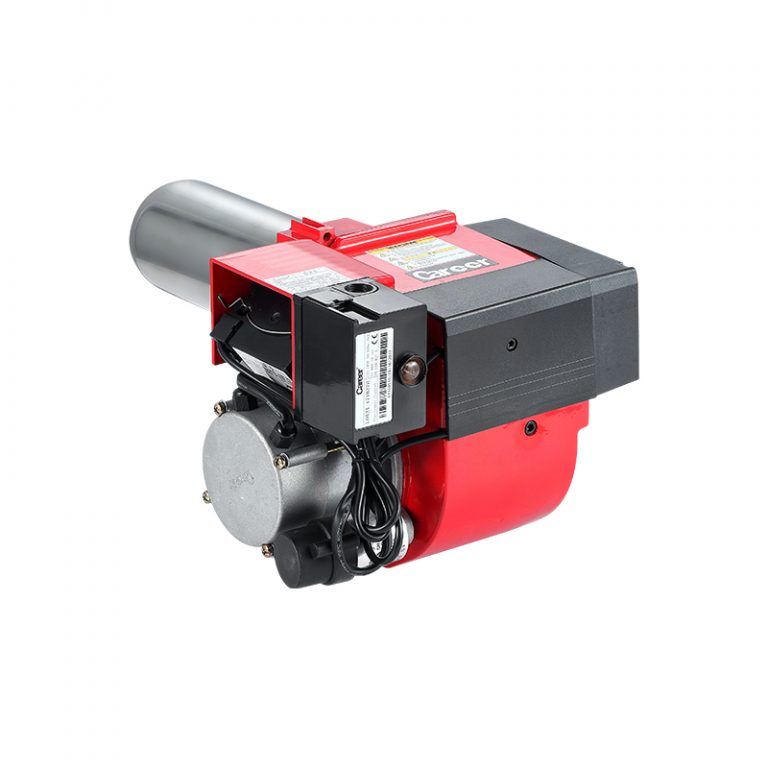
Treat the shift as a systems project: fuel logistics, materials, controls, safety, and workforce training must move together. Start with a pilot on a low-risk unit, instrument it thoroughly, and keep procurement timelines front and center. For parts lists, retrofit guides, and supplier details that align with these steps, resources on Career Burners often reflect the practical choices teams make on the shop floor — the ones that let you replace risk with predictable, repeatable performance.