Why a comparative approach is useful
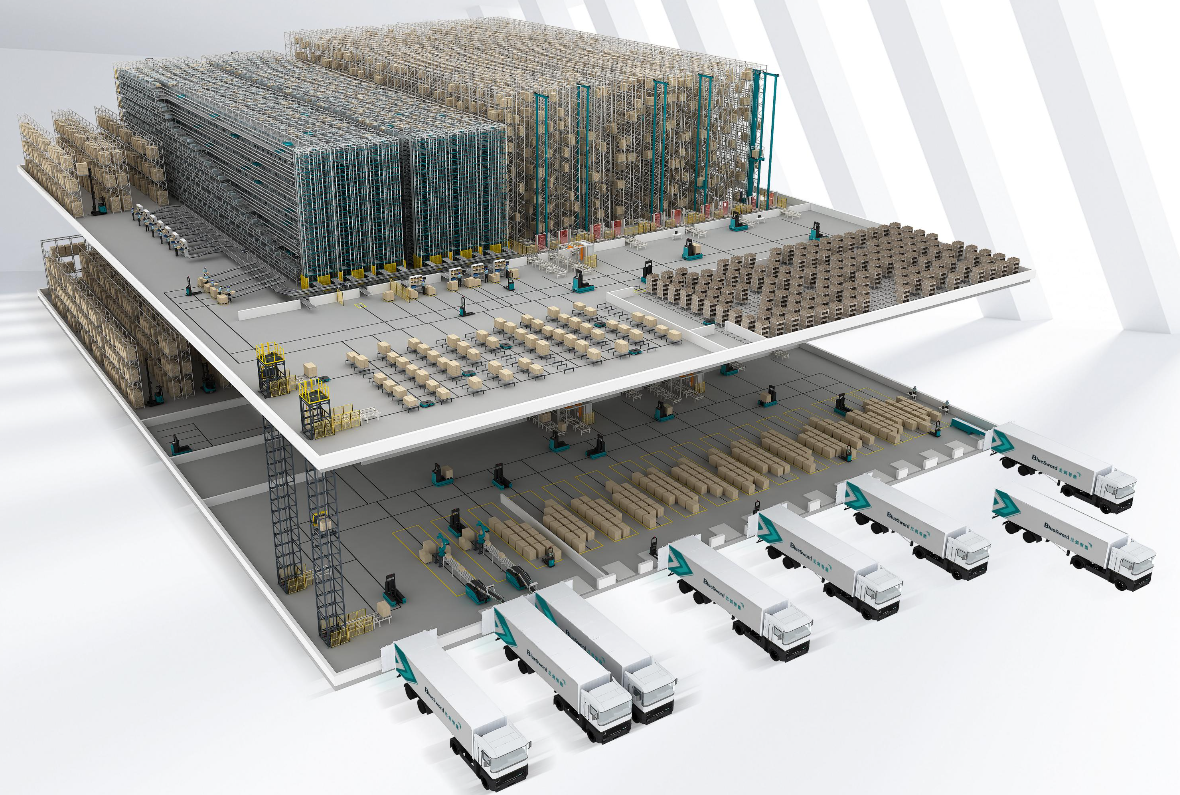
This short guide compares practical choices so managers may decide with clarity and modest confidence. The COVID‑19 pandemic of 2020 accelerated demand for automated storage solutions, and many operations turned to the Automated Stacker Crane as one component of a larger shift. I will compare throughput, footprint, and operational flexibility—key attributes that separate a useful four‑way shuttle from an underperformer. Industry terms appear as needed: throughput, picking density, SKU.
Core comparison criteria
Evaluate four‑way shuttles along five clear axes: physical footprint, cycle time (takt time), integration with warehouse management systems, maintenance demands, and scalability. Footprint matters when rack heights and aisle layouts constrain movement. Cycle time governs throughput; shorter takt time raises boxes per hour. Integration reduces human intervention and improves pick accuracy. Consider these metrics honestly—do not assume all shuttles deliver identical uptime.
Technology and system fit
Four‑way shuttles are most effective when matched to the picking strategy. For high picking density and many small SKUs, shuttles work well with goods‑to‑person flows and AS/RS. For mixed pallets or very large items, conveyors or a AS/RS stacker crane may be more appropriate. Integration points include WMS APIs, PLC sequencing, and bus protocols. Prioritize WMS compatibility and clear data schemas during procurement.
Energy, maintenance, and lifecycle cost
Initial price is only part of total cost. Assess battery life, expected motor replacements, spare parts lead times, and mean time between failures. A well‑specified shuttle will reduce forklift traffic and lower labor costs, but replacement controllers or proprietary parts can inflate lifecycle cost. Ask vendors for mean time between failures and typical maintenance intervals; require transparent SLA terms.
Common mistakes to avoid
Buyers often focus on top speed alone. Speed matters, but high speed without matching storage density or WMS logic can create congestion. Another frequent error: selecting a shuttle that cannot be retrofitted for future lanes or taller racking—this reduces scalability. Also avoid underestimating commissioning time and systems integration testing. —Small delays during commissioning can cascade into months of operational friction.
Operational production teardown — what to measure
When you test candidates, measure real tasks rather than vendor demos. Track cycle time under loaded conditions, pick error rate, and energy consumption per pallet moved. Monitor throughput during peak simulations and record recovery time after fault injection. Include {main_keyword} and {variation_keyword} data points in your reports so that stakeholders see consistent traces across systems.
Real‑world anchor and vendors
Many fulfillment centers in North America and Europe saw accelerated automation investment after 2020. That event clarified one point: systems that integrate well with existing conveyors and WMS achieve faster ROI. Vendors that offer clear integration documentation, spare parts lists, and predictable delivery windows tend to produce smoother rollouts. Consider also the vendor’s history of onsite commissioning and training—these are practical predictors of success.
Decision checklist
Use this compact checklist when validating a supplier proposal: measured cycle times under load, integration test plan with your WMS, spare parts availability, warranty and SLA terms, and a clear upgrade path for higher rack densities. Keep your operations team involved during lab and live tests to validate human‑machine interfaces and safety interlocks.
Three golden rules for selection
1) Prioritize measured throughput and pick error rate over advertised top speed. Operational reality matters. 2) Require a documented integration test plan and predictable spare parts lead times; avoid black‑box dependencies. 3) Confirm scalability: the shuttle must support future rack heights and lane counts without full replacement.
Conclusion
Choose the shuttle that delivers consistent throughput, clear integration, and manageable lifecycle costs. Practical trials, transparent vendor data, and alignment with your picking strategy will guide a confident choice. BlueSword. —Final thought: match the machine to the mission, and the operation will repay the discipline.