
Introduction
A director walks into a meeting with notes on three apps, two laptops, and a printed agenda “just in case.” The paperless conference system is ready, but the room still stalls at minute six while people hunt for the right input. Studies suggest teams lose real time to these small stalls each week, and the frustration adds up. So here’s the question: is the problem the people, or the way the room’s AV is stitched together (and how it’s actually used)?
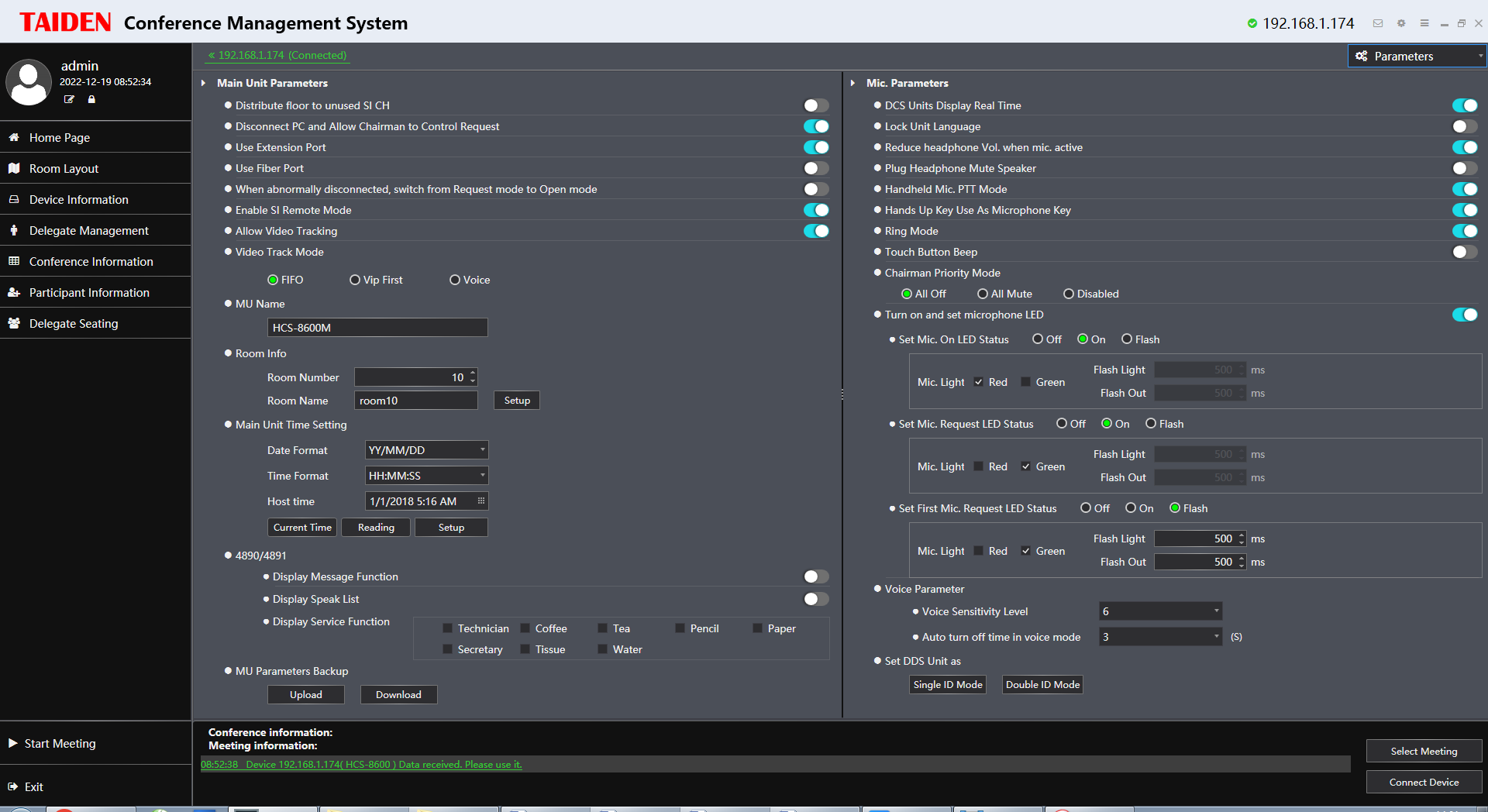
Picture a hybrid board meeting where decisions hinge on clean audio, fast content handoff, and zero guesswork. Now add a data point that surprises many leaders: most meeting delays trace back to setup, switching, and unclear roles, not the platform itself. When the cables, codecs, and control layers don’t work as one, the best intentioned workflows wobble. You feel it in the quiet moments—someone says “can you hear me now?” and momentum slips. If that sounds familiar, you’re not alone. Let’s set the table for a simpler path, step by step, so your next session starts on time and stays focused.
Where Traditional AV Trips Up (And What to Fix First)
Where do legacy setups fail?
Modern conference room av solutions succeed or fail on the tiny seams: switching, sync, and control. Legacy rooms rely on HDMI extenders, mixed firmware, and a patchwork control bus. The result is drift. Latency creeps in, handoffs stall, and HDCP rules surprise you at the wrong time. A big DSP matrix can’t save an unbalanced chain if the endpoints behave differently under load. AV-over-IP is often the right move, but only when paired with QoS, clocking, and clear role-based control. The paperless part isn’t only the tablets; it’s the path your content takes—clean, predictable, and secure end to end.
Let’s get specific. Beamforming microphone arrays can shine, but they need proper gain structure and echo cancelation tuned to room geometry. PoE switches should isolate traffic and protect priority flows with VLANs. Without NTP time sync and a stable codec pipeline, reactive fixes pile up. Look, it’s simpler than you think: fewer modes, consistent user entry points, and one button to share. Remove odd dongles. Map the signal chain. Then test under stress, not a quiet room. Do this, and “can you hear me?” drops off your transcript—funny how that works, right?
From Fixes to Forward Motion: Comparing What’s Next
What’s Next
Here’s the forward-looking view. The new baseline blends network discipline with human clarity. Think: edge computing nodes at the room gateway that handle media mixing locally, then publish to the network with set QoS tiers. That means fewer roundtrips, lower jitter, and smoother handoff when a guest plugs in. With digital paperless conference equipment, the principle is simple—let the system do the heavy lifting, not the people. Auto device discovery, preset scenes, and policy-based routing reduce clicks. And your AV-over-IP backbone—paired with redundant topology—carries sessions safely even if a switch hiccups. Small win, big effect.

Let’s compare paths. Old rooms depend on manual switching and wishful thinking. Forward rooms standardize: consistent UI, predictable share flow, and scripted recovery if a node fails. They measure, too. They baseline end-to-end latency with attendees on Wi‑Fi, then verify under live screen share and soft codec load. They align power converters, UPS coverage, and PoE budgets so a brownout doesn’t mute the board chair. And they design for people who don’t read manuals—because they won’t. The outcome feels different: meetings start on the beat; the paperless workflow is quiet, not flashy; and content moves like water through a clean pipe (no surprises).
Before you choose, use three quick metrics as your compass. First, latency under load: can participants switch presenters in under three seconds while recording and streaming? Second, resilience: does the system fail over between paths without user action, and do logs make root-cause clear? Third, usability: time-to-join from door open to first shared slide should be under one minute. If your shortlist aces those, your paperless conferences will feel calm and capable—day after day. For a grounded look at integrated approaches and gear families, see TAIDEN.