Direct Start: The Moment the Grid Blinks
I’ve spent over 17 years building, buying, and fixing big batteries for utilities and IPPs. One moment sticks with me: a storm line rolled over Corpus Christi in August 2022 and the peaker tripped. Utility scale battery storage had to catch the fall. We had 100 MW standing by, and the dispatch window was under 90 seconds—tight. I leaned on our utility scale battery storage systems playbook and watched the SOC climb to the right band, like a tide rising steady. Then the phones lit up: a SCADA tag mismatch in the inverter block, of all things. (Wi, mesye dam, small thing—big ripple.) How do we stop these tiny faults from turning into big bills?
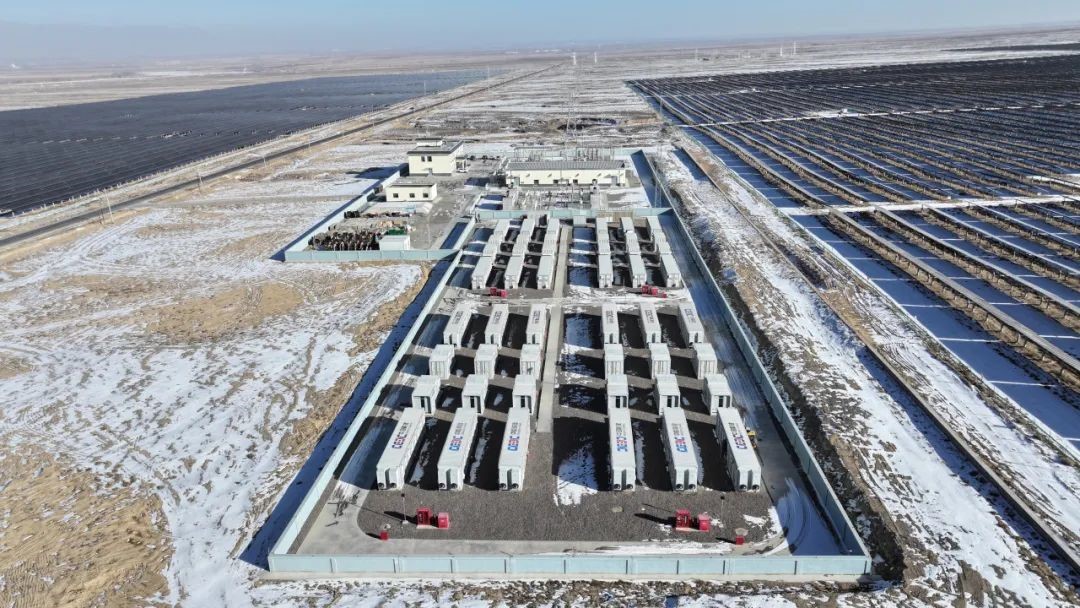
Here’s the simple truth I share with procurement teams: numbers and design details win the day. Round‑trip efficiency at 92% vs 88% changes cash flow. A messy EMS interface can stall curtailment control. And a slow BMS can let cell temps drift. So, let’s make the next choice less guesswork, and more proof. I’ll compare what actually matters—and why I walk away from certain specs without a second look. Moving on, we’ll go under the hood and call out the pain points that hide in plain sight.
Hidden Pain Points That Cost You Months and Money
Where do legacy designs break?
Look, it’s not rocket magic. The common misses sit in four places: power converters, controls, thermal, and serviceability. I learned this the hard way during a 2019 retrofit outside Bakersfield. The AC‑coupled blocks were fine on paper, but the harmonics profile under 30% load broke our interconnect limits. We had to swap filters and re‑tune the inverter firmware. That delay pushed COD by 31 days, and LDs hit six figures. The lesson is blunt: ask for harmonic distortion data at varying C‑rates, not just at nameplate. Also, insist on verified response times for frequency regulation. Paper claims of “fast” mean nothing; I want milliseconds, with test logs.
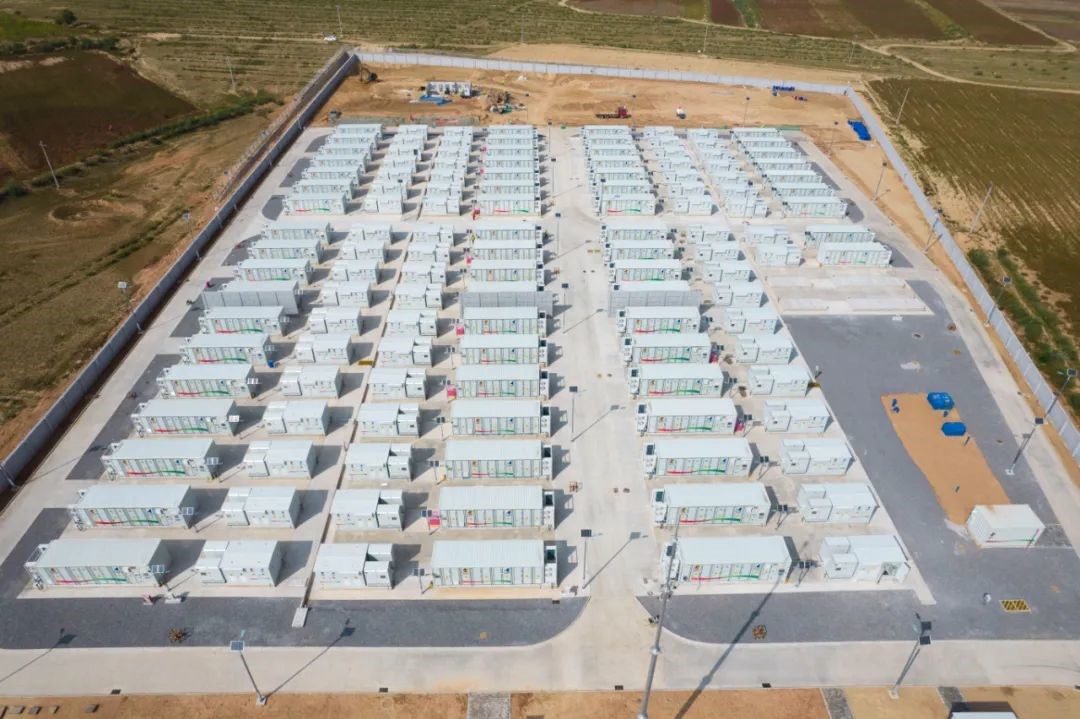
Controls bite next. I vividly recall a Saturday morning when a SCADA update knocked telemetry offline at a site near Fresno. The EMS kept running, but the operator lost visibility, and bids were pulled from the CAISO market—about $42,000 of lost ancillary revenue that week. To prevent that, I now require dual edge computing nodes, redundant fiber, and a rollback plan tested under load. Thermal is quieter but cruel; a poor airflow path inside containerized racks lets hotspots form, and then cell balancing drifts. That’s where thermal runaway risk starts—slow, sneaky. Demand audited airflow maps and a thermal model validated at 40°C ambient. Last, design for hands. If a tech can’t swap a module in under 12 minutes with two tools, your O&M math is fiction—no matter what the slide deck says.
Comparative Outlook: What Changes the Game Next
What’s Next
We’re heading into a split path. One path sticks with conventional AC‑coupled blocks, proven parts, and steady performance. The other leans into DC‑coupled architectures, advanced BMS algorithms, and modular power stacks that scale without re‑wiring the world. I compare them this way: AC‑coupled stays simple on interconnects and site phasing—good for brownfield tie‑ins. DC‑coupled, with tighter inverter control and real‑time cell analytics, can shave conversion losses and boost round‑trip efficiency by 1–2%. On a 200 MW / 800 MWh build, that can swing annual revenue by $180,000 to $420,000, depending on market shape. Small numbers—big arc. And yes, I want proof in heat: 45°C container tests, ISO‑based acceptance reports, and response curves under 15% SOC.
New technology principles matter. I favor predictive BMS that fuses impedance tracking with Kalman filtering for truer SOC and SOH. Pair that with adaptive cooling that zones airflow based on rack telemetry, not a single weighted average—because the average lies. For controls, I want EMS logic that can prioritize frequency regulation over energy shifting when price bands flip in five minutes. During the July 2021 heat event in Portland, our 20 MW asset held 0.05 Hz regulation error while still meeting a 2‑hour dispatch—thanks to prioritized setpoints on the fly—rare at the time. As we fold in modern utility scale battery storage systems, I also compare maintainability side by side: tool‑less access panels, hot‑swappable DC breakers, and field‑grade connectors that don’t crumble after two summers. Because outages don’t care about your brochure—only your bolts.
Here’s how I wrap the choices—quick and clean. Three metrics decide my short list: 1) Proven response time under 250 ms for frequency events, verified with site logs. 2) Thermal delta across racks no greater than 5°C at 1C discharge in 40°C ambient, witnessed by a third party. 3) Real round‑trip efficiency over a 24‑hour duty cycle (charge, hold, discharge) at no less than 90% at the system level, not component. Meet those, and the rest—warranty shapes, black‑start options, EMS features—fall into place. If you hold vendors to these, your project will land cleaner, quicker, and with fewer calls at 2 a.m.—the ones that shave years off a person. For deeper specs and solution paths I trust in the field, I keep an eye on partners like HiTHIUM.