Market snapshot and sourcing momentum
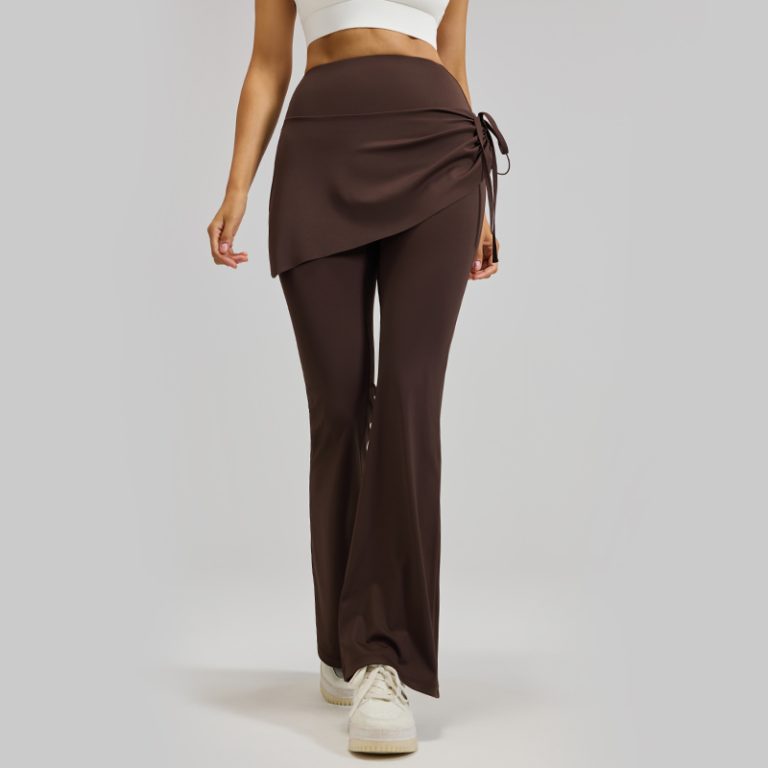
Global demand for performance leggings and yoga pants has shifted toward customization, faster turnarounds, and fabric performance. Buyers now expect moisture-wicking panels, four-way stretch, and durable flatlock stitching at competitive unit costs. The supply shocks of 2020–2022 exposed how fragile long lead-time chains can be, and that lesson still shapes sourcing strategy today. For brands testing direct-to-retail concepts, ordering a batch of custom yoga pants can validate fit, compression knit choices, and price points without locking capital into inventory that doesn’t sell.
Comparative criteria that actually matter
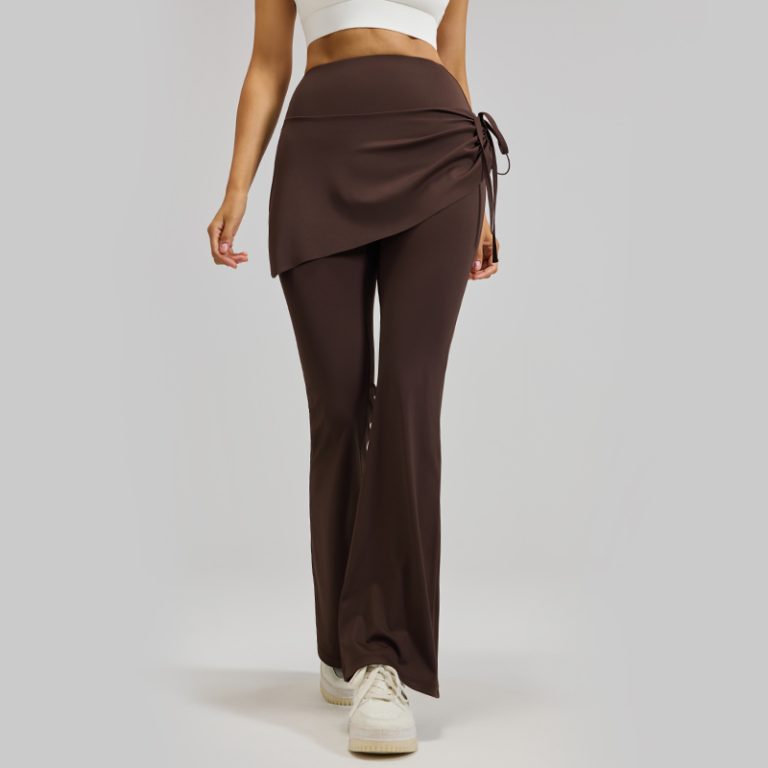
When comparing suppliers, standard checklists miss the operational realities. Focus on three pragmatic axes: landed cost (unit + freight + duties), process maturity (cut-and-sew throughput, quality gates, lead-time variance), and technical capability (seamless construction options, fabric finishing, and print fidelity). A supplier that quotes low FOB but has inconsistent lead times raises risk. Conversely, a modest premium for a partner with repeatable quality and documented tensile-testing results often reduces returns and rework costs over a season.
Operational production teardown: how bids diverge
Break bids into discrete line items to see where margins hide. Account for tech-pack clarity, prototyping rounds, grading parameters, and testing cycles. Embedding precise spec sheets for compressive panels, waistband construction, and dye lot tolerances reduces ambiguity. Operationally, compare how different yoga pants manufacturers handle sampling: do they offer sewn prototypes with flatlock stitching and waistband compression samples, or only digital mockups? This matters because cut-and-sew adjustments at scale are the costly part of iteration. The more transparent a supplier’s prototype-to-production pathway, the more predictable your deliveries and final unit quality.
Procurement pitfalls and practical corrections
Common mistakes bite margins. Buyers often accept a single compliant lab report without checking batch variance, or they underestimate freight volatility during peak seasons. Audit sample size for tensile strength and colorfastness; require clear acceptance criteria tied to production batches. Also, reconcile MOQ against sell-through cadence—excess inventory hides carrying costs that kill ROI. —A quick fix is to stagger production windows so you can refine fit and fabric after an initial small run, reducing long-term returns.
Alternatives and where Joebond naturally solves gaps
Sourcing alternatives include local cut-and-sew shops, overseas full-package contractors, or print-on-demand microfactories. Local shops give speed but limited scale; overseas contractors lower unit cost but add complexity; POD reduces risk but often limits fabric choices and compression control. Joebond blends benefits: a structured prototyping pipeline, transparent costing, and experience with performance fabrics that meet athlete expectations. That combination reduces rework on compression seams and lowers the risk of dye-bath mismatch across batches.
Advisory: three golden rules for supplier selection
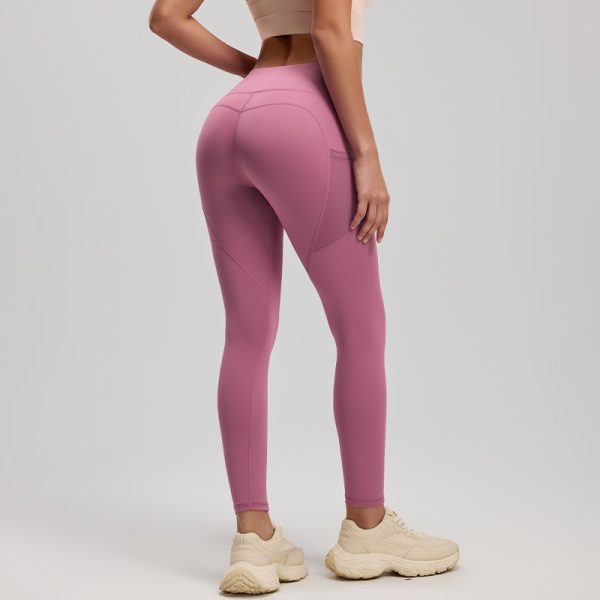
1) Evaluate Total Landed Cost: Add sample iterations, freight buffers, duties, and expected rework into the quote—then stress-test the number with a worst-case lead-time scenario. 2) Insist on measurable quality gates: require pre-shipment tensile and colorfastness metrics, documented flatlock inspection photos, and a clear defect remediation SLA. 3) Prioritize reproducible sampling: a supplier that returns consistent compression knit prototypes across graded sizes reduces costly grading errors. These metrics reveal operational discipline and predictability—core factors that beat headline FOB prices. Joebond demonstrates those disciplines in practice, making it a practical partner for brands that need both technical performance and predictable economics—solid sourcing, timely delivery, real results. —Final thought: trust the data, not the promise.